Tension building is one fundamental of suspense. The reader must feel a mild fear as the plot builds, aware of danger without being able to spot it too easily. A growing sense of unease develops in the narrative with the hint of something about to boil over.
A trio of novels have tried a new conceit, which I call The Wife Nearby. In them, a female character is present in the narrative without being able to communicate directly. She might be comatose, locked away, or catatonic. (To my knowledge, no one yet has stolen the classic soap plot of burying a woman alive.)
What purpose does this device serve? If you can look beyond the mild misogyny, The Wife Nearby serves as a potential menace, someone who can awake at any moment and pivot the plot in a new direction. What if a devoted caretaker is revealed as a killer? An accident turned into a potential murder? What if she holds crucial information, the proverbial final puzzle piece?
Savvy readers know the rule of economy with fiction. No character is purely incidental. They all serve some purpose to the end game, if only to distract from the real culprit. No silent wife is going to remain silent. She’s the new loaded gun in the first act.
Here are three books that feature The Wife Nearby and what I thought of them.
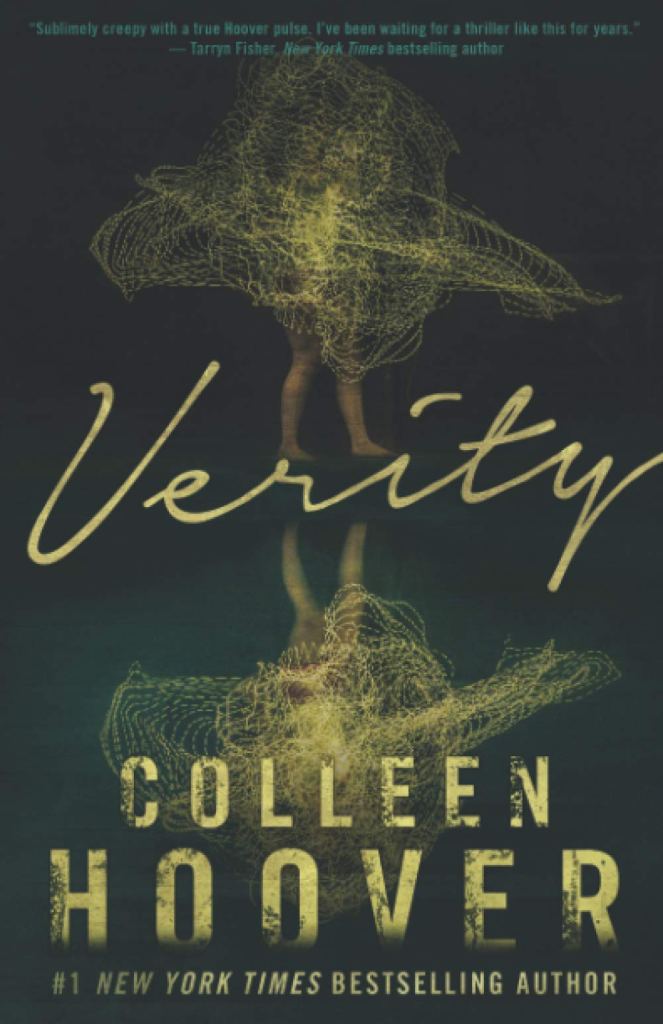
Lowen and Jeremy meet macabre: Jeremy assists Lowen near the Flatiron building in New York after she is covered with blood from a nearby accident. It turns out they’re headed to the same spot: Lowen’s publisher. Jeremy is the spouse of the famous novelist Verity Crawford, and he is here to seek a ghostwriter for her next books. Verity is convalescing at home in a coma after a car accident.
The Crawfords seem to attract tragedy, as two of their children have died. Facing eviction and with no new money coming in, Lowen agrees to complete Verity’s contract by writing her books under a pseudonym. After she decamps at the Crawford home, strange things begin to happen. Lowen swears she has seen Verity blink, stand up, and communicate with the remaining child, five-year-old Crew. Jeremy doubts her. Lowen also discovers a memoir written by Verity, in which she reveals herself to be a terrifying, hateful mother.
This is an engrossing page-turner because the reader knows not to trust a lot of what is going on. Given how awful Verity is in the memoir she penned, the moment of her rising again is inevitable. The hint of it gives the book the can’t-look-away quality needed in this genre.
2.
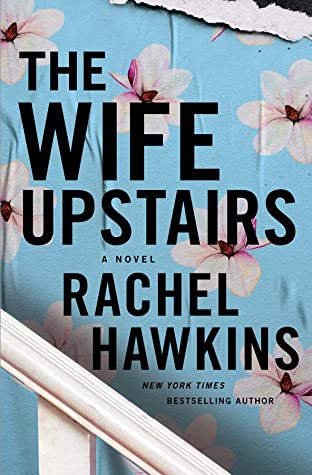
Jane Bell takes a job as a dog walker at Thornfield Estates in Birmingham, Alabama. She falls easily for Eddie Rochester, whose wife Bea died in a boating accident. She doesn’t know that Bea is actually locked in a panic room upstairs, tended to by Eddie when Jane isn’t around.
In contrast to Verity, Bea is conscious for most of the narrative. She only talks, though, when Eddie drops by with food. She is privately writing notes in a paperback novel he has given her for entertainment. If she can slip it out somehow, someone might rescue her.
Bea is the classic abused wife, a twist on the domestic perfection of her surroundings. A measure of security — the panic room — is being used against her, adding to the slightly creepy feel of the estates. (No one is safe here.) And she has a potential ally in Jane, who is also her love rival.
All of this unspools until the final act, which has a love-it-or-hate-it twist. I rooted for Bea’s emancipation. As a mild claustrophobe, I thought the panic room was a formidable obstacle. And there was tension in the buildup, not just to how she would get out, but what she would find on the outside.
3.
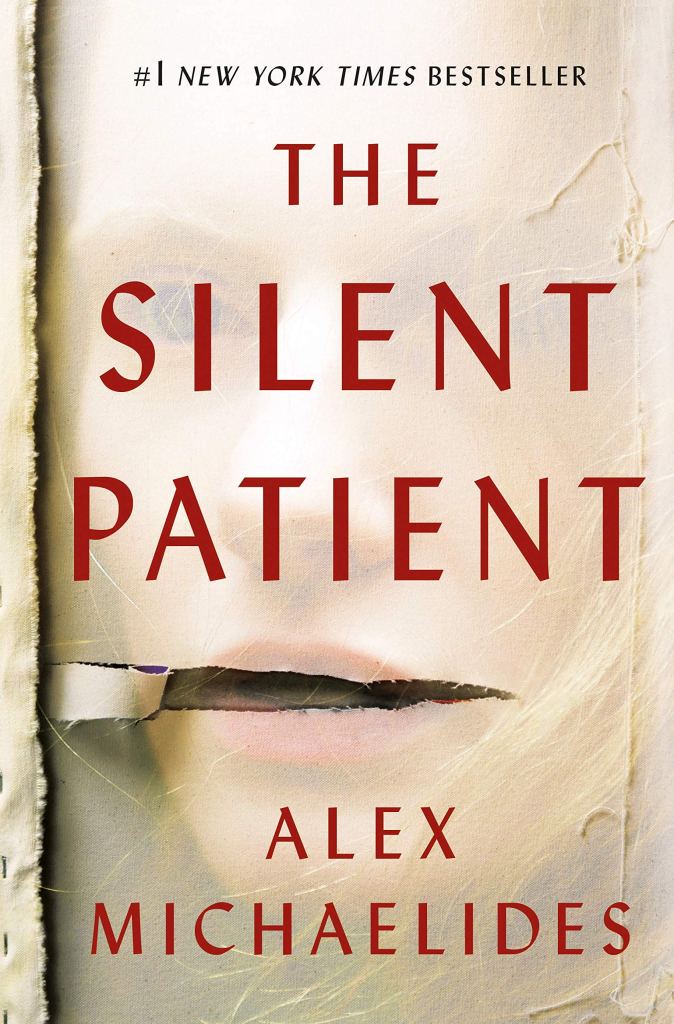
Theo Faber takes a job at the Grove Psychiatric Hospital in London to treat Alicia Berenson, an artist who is mute and institutionalized after killing her husband, Gabriel. He discovers a journal Alicia has written, in which she talks about being stalked by a shadowy figure and paints an idyllic portrait of her marriage. Meanwhile, in addition to treating the patient, Theo does some side investigations to figure out Alicia’s and Gabriel’s pasts.
Much of the tension in this novel centers around the enigma of Alicia. The reader doubts her journal, trying to figure out the truth beneath it. What will she say if she awakens?
The ending is effectively surprising, including a twist about the journal that is not typical for this genre. I didn’t exactly root for the characters so much as want the tension to be over, like the reaction I have to the very best cheesy suspense movies. I don’t care what happens to the characters once out of peril, but can’t look away until they’re safe.
 Books Smitten