No Slow Nellie Knockoffs

When it comes to rants and raves, the reviews are in. There is a necessary chemistry between book and reader and when it’s not there, readers can get feisty. Why exactly do books and readers not click? I’ve narrowed it down to five main reasons.

  1. No One To Root For

Who knew that likeability was such a deal breaker? Readers want a plucky heroine who emerges from her tribulations (mostly) unscathed. Mean girls need to be the antagonists, not the main attraction. No one wants to spend three-hundred pages with Nellie Oleson.

Here is a book with an eminently likeable lead.
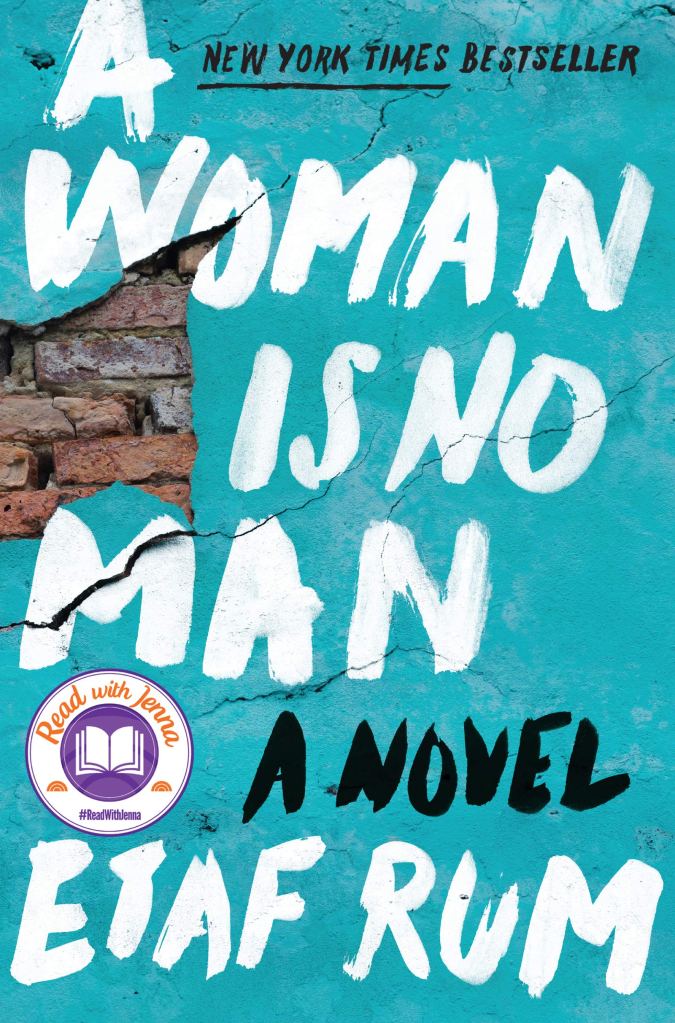
Isra is a Palestinian girl who moves to Brooklyn after an arranged marriage. Juggling four daughters and an overbearing mother-in-law, she yearns for the freedom she can only find in books. The New York subway is a powerful symbol for her daughters’ escape.

2. Couldn’t Get Into It

I’ve heard many reasons why a book doesn’t dazzle the reader: too much exposition, too confusing, too many characters. They are all valid points. Agents browbeat writers to make the first fifty pages sing. Sadly, showing off your skills doesn’t always entrall the page-turner.

Here’s a book I think everyone can get into.

I’ll let you judge for yourselves. Does this pull you in?
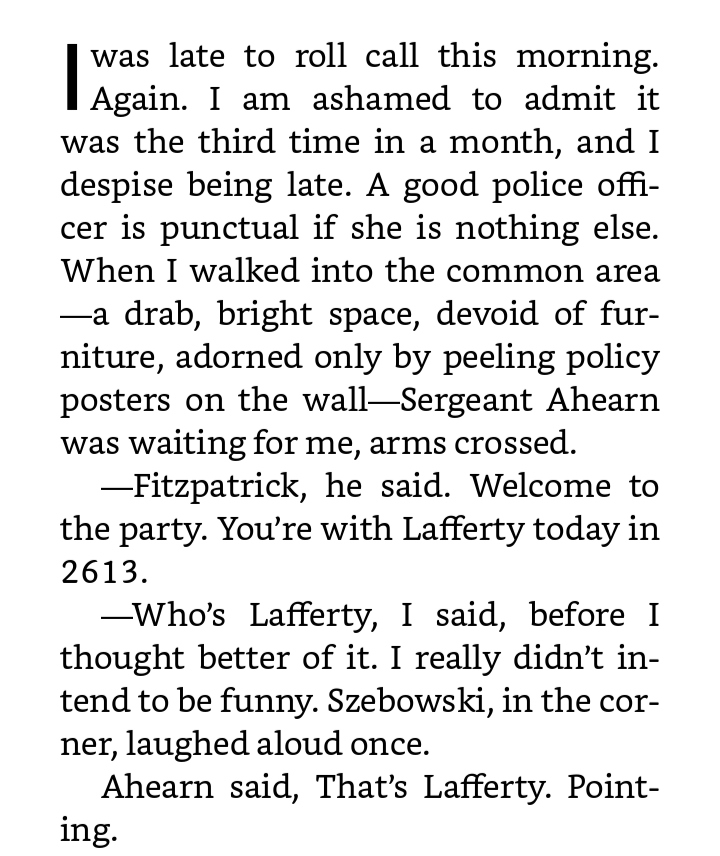
If so, read it. You’ll have the perfect icebreaker if you ever meet super fan Barack Obama.

3. Better Book On The Same Theme

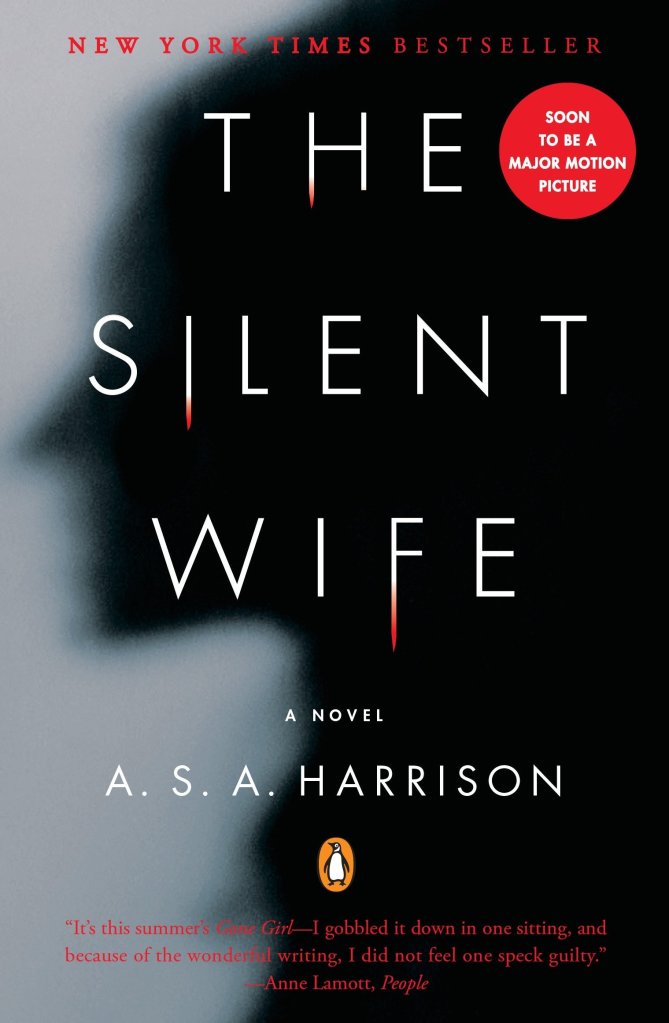
Here is another common complaint: there is a better, similar project out there. Just ask Kristen Stewart when Spencer comes out. People don’t like copycats. Or the author of The Silent Wife who had the misfortune of getting a book contract on the heels of Gillian Flynn.

Here is a book that I think is original.
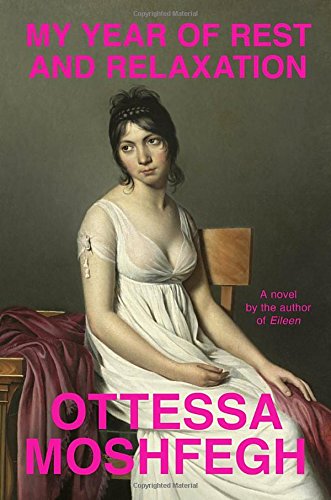
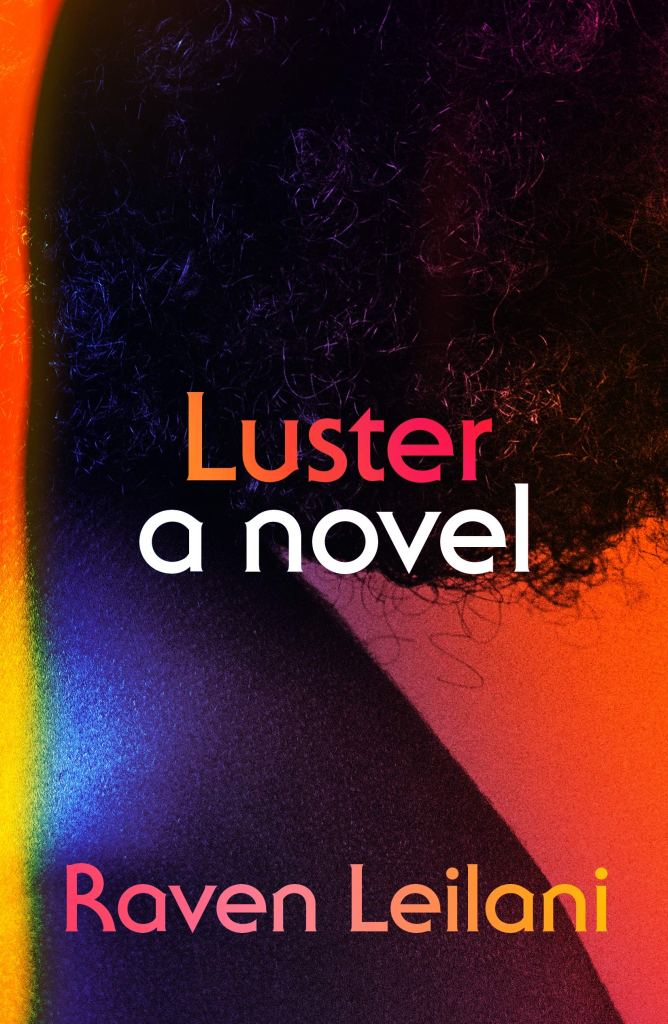
Granted there are a plethora of novels about depression. But the tone of Otessa Moshfegh’s heroine is idiosyncratic enough that you might briefly forget Salinger and Plath and their many knockoffs.

4. Too Slow

Books are competing with so much flashy content these days that I’m a little surprised anything gets read. Writers have to keep up a brisk pace to have a shot at publication. (I am reminded of a skit from the nineties in which a harried mother keeps devotional quotes on her wine glass so she can multitask. That isn’t too far from reality.)

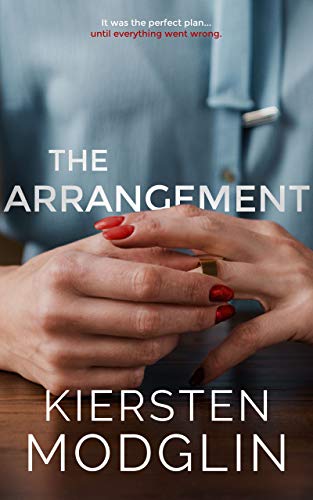
A savvy indie author named Kierstin Modglin has this down. Try this twisted infidelity tale and see if you aren’t pulled in. I read it in one sitting.
5. Bad Ending

Discussing bad endings can be quite fun. (My personal favorite was the collective meltdown after the final Lost episode.) No one wants to be disappointed after an investment of days and weeks of their lives. It has to feel right and sometimes it just doesn’t. Otherwise reasonable people throw tantrums when something unsatisfying happens. I have never actually thrown a book at a wall, but I get the impulse.

So here is my recommendation for a wholly satisfying read. I love an ambiguous ending that hints at an inevitable resolution. Taylor Jenkins Reid pulls it off.

Representation

There is a growing debate in the book world about representation. Strictly speaking, representation means that all voices are heard and that the portrayals are fair and accurate. Reading is often about character identification, and everyone — regardless of race, gender, religion, sexual orientation, age, or disability status — should easily find voices they can relate to.

Publishers should be concerned with such things, but the statistics tell another story: White writers get much larger advances and are much more likely to appear on best-seller lists. Best-sellers are more likely to be adapted into films and TV series. Without characters who appeal to them, people are less like to read.

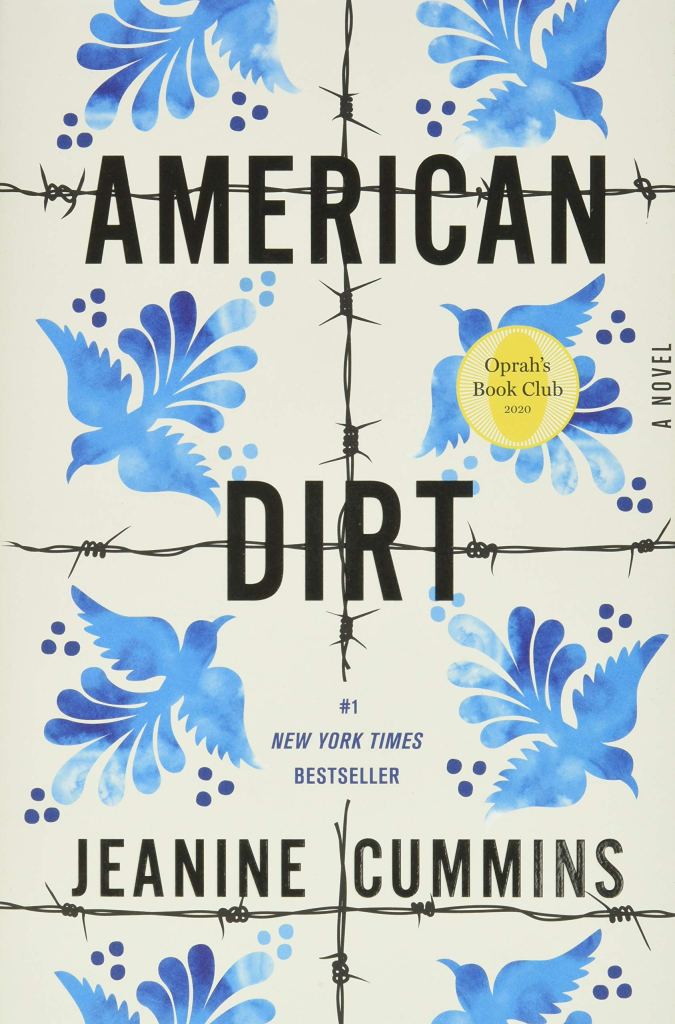
The road to best-seller status is rarely organic. Publishers cough up big money for marketing and lean on best-selling authors to blurb the book. Such was the case last year when Jeanine Cummings’ American Dirt was launched. The author got a seven-figure advance, bookstores were inundated with marketing materials, and the launch party featured ill-advised centerpieces with barbed wire designs. Several big name authors such as Stephen King and Ann Patchett raved in blurbs. One author even compared it, absurdly, with The Grapes of Wrath.

American Dirt is a compelling page-turner about a Mexican woman, Lydia, who witnesses the execution of sixteen members of her family. She and her son, Luca, escape and head north via La Bestia (a freight train used by migrants) and then overland with a coyote. They are trying to escape from Javier, a sociopathic druglord who takes a Hannibal Lecter-like fancy to Lydia.

Controversy arose when it was revealed that the author isn’t Mexican. (She is a White Latina with a Puerto Rican grandmother.) Despite years of research on her project, she made some glaring errors about Mexico that would stand out to any native. (For example, Lydia expresses disbelief that a druglord would be named after an owl. Most Americans would miss this reference, but few Mexicans would. The owl is a scary animal in folklore there.)

In the course of this debacle, many Latinx writers talked about their own experiences with the publishing industry. Rejection slips, minor advances, and no marketing budgets are the norm, especially for novels about immigration. American Dirt is a book written for a White audience, they complained, and does not reflect the reality of the migrant experience.

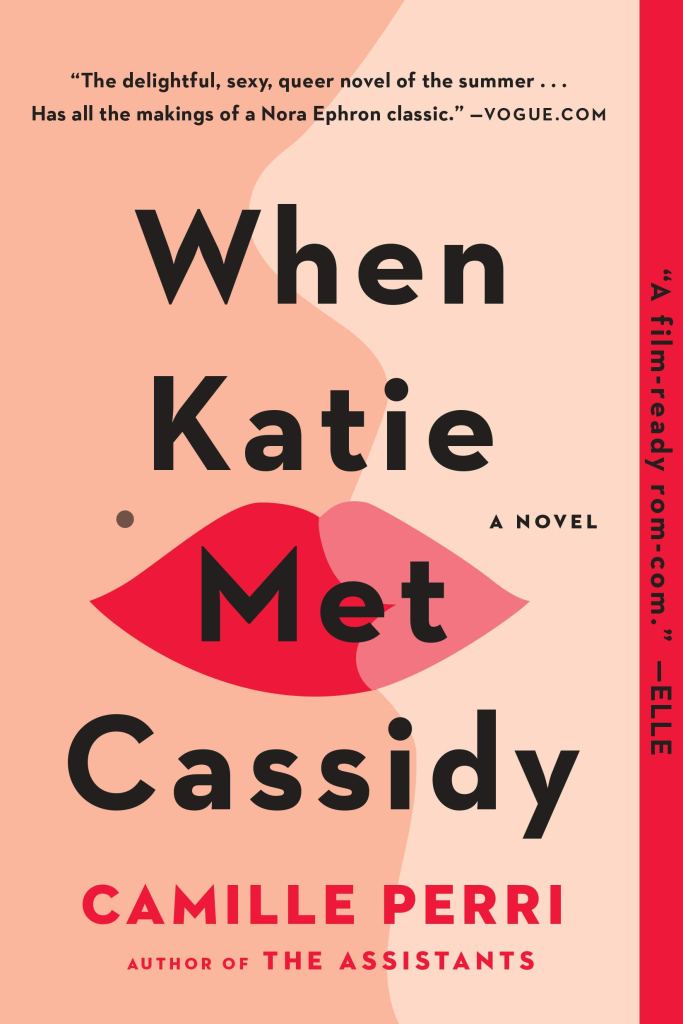
A more minor kerfuffle also occurred when When Katie Met Cassidy by Camille Perri was launched a few years ago. The author, a former books’ editor for a few national glossies, was heaped with ridiculous praise by her peers, such as the hyperbolic comparison to Nora Ephron. (The only commonality between them is that Perri cribbed her title from Ephron’s classic screenplay When Harry Met Sally.)

Katie is a Southern belle who has moved to New York for a corporate lawyer job. She meets Cassidy at a mediation, where they are adversaries. Nursing a broken heart after her fiancé dumps her, Katie bumps into Cassidy on MacDougal Street one night after work and agrees to accompany her to a lesbian bar. Faster than you can say bicurious, they fall into a standard love story, complete with the expected scene late in the final act where the fiancé reappears.

Readers grumbled that this was a lesbian romance written for a mainstream straight audience. Similarly to the American Dirt dispute, queer readers claimed that all of the attention was being heaped on a mediocre book because it was easier to market and more palatable to White women. In this case, the author is queer, but it didn’t stop readers from claiming that it felt like L Word fan fiction.

I can’t disagree with the comparison, or the criticism of American Dirt. And, yet, I enjoyed both books. Publishers know how to spot a topical page-turner and get it into the right hands. I wish all authors had this kind of success. It is unconscionable to me that any talented writer can’t get traditionally published. And, yet, I can’t entirely begrudge those that get their Cinderella stories.

The Trans Canon

Americans have been slow to acknowledge trans identities. It may reflect our lack of education, as gender nonconformity is nothing new and exists in nature and in other cultures. The male seahorse carries the babies and yet we blanch at the image of a pregnant trans man. Americans debate the mental health of trans people while Indigenous tribes recognize difference by celebrating it, giving the name berdache to gender nonconforming members. (Since 1990 the preferred term is two-spirit.)

Fortunately, we have a slew of books about trans identities that offer to fill in the gaps. Here are a few and what they taught me.

1.

After a military couple adopt twin boys, they discover that one of them gravitates towards stereotypically girly clothes and interests. She insists from a young age that she is a girl. Wary, they later accept that their daughter was born in the wrong body and allow her to begin gender reassignment surgery. The local community is horrible about Nicole. The family endures harassment on their journey to completion.

This is an excellent example of immersion journalism. The author spent four years with the family and makes it all feel right. A science writer, she also analyzes the often ignored data and biological studies surrounding this issue.

2.

This is an excellent memoir about a boisterous city family. In addition to a trans son, the family adopts a teenager and lives a colorful life with two parents and five kids. They find more acceptance in liberal New York than Nicole’s family does in Maine. One scene is telling, though. While taking a road trip to Niagara Falls, the author begins to panic that her masculine-presenting son still has a female passport. She imagines being turned away or worse. It is a moment when you realize why global acceptance is needed for trans people to live safely. To see it through a mother’s eyes is especially touching.

3.

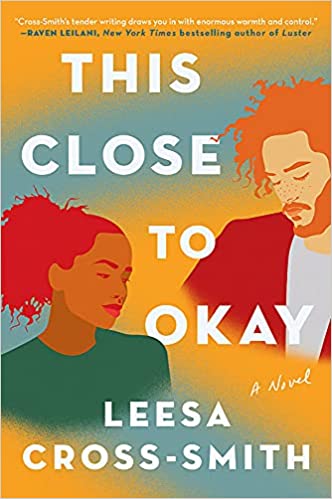
This is a middling offer to the trans fiction canon. Ames is a detransitioned trans woman who impregnates her boss, Katrina. Ambivalent to play father, Ames invites her ex, Reese, to co-parent the child.

There are some really good parts of this story, as well as others that are desultory and self-indulgent. I wish the editor had stood their ground and rejected chapters like the lengthy one in which Reese and Katrina create a baby registry together.

If you only read one piece of trans fiction, I suggest the excellent Felix Ever After over this.

I Dissent

Sometimes books and I just don’t click. Like a dud first date, it usually isn’t personal. There are different wavelengths and sometimes I am not on the same one with others.

It gets worse when you slog through a tedious book only to log on to your favorite review site to find enraptured praise from most readers. I finally understood the term cognitive dissonance after experiencing this a few times. Reasonable minds can disagree, but when it’s about twenty-to-one, I opt out.

So, with some trepidation, I offer this list of popular titles I could have happily skipped.

1.

Years ago I read The Iliad for a college class. It was my first introduction to ancient times. Still coming off the Victorian period, many Americans don’t realize that homosexuality was very much a part of that world, including its literary works. Madeline Miller has taken this topic on in The Song of Achilles. She is a good stylist and there were some scenes I liked. Overall, though, I was not compelled.

My rating: 2.0

Goodreads score: 4.4

2.

I have yet to be wooed by the Dublin Murder Squad. In The Woods was decent, but I really disliked the second. The premise is that a woman is found murdered who bears a striking resemblance to Detective Cassie Maddox. Even stranger, she has an ID with the same name Cassie used when she was undercover. Cassie decides to pose as the dead woman to try to solve the murder. This involves moving into a cooperative house with Lexie’s old friends.

I also lived communally in college. I am certain that I would not be fooled by a lookalike to any of my closest friends from that time. When it comes to recognition, looks aren’t everything. There are vocal inflections, quirks, and inside jokes that would be hard to replicate if you had never known someone.

In addition to the far-fetched plot, I was not compelled by all the dynamics amongst Lexie’s housemates. I thought the male characters were flat and I didn’t find Cassie interesting, either.

This will remain one of those phenoms I just don’t get.

My score: 1.0

Goodreads score: 4.0

3.

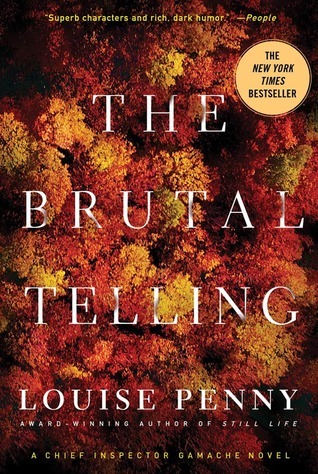
There were many things to like about this book, including the way the author incorporated the art world, indigenous Canadians, and Caesar’s puzzle into the plot.

As someone with mild claustrophobia, though, the setting gave me the literary equivalent of cabin fever. I felt like I was being held hostage by some cultural arts program on NPR. I think it was after reading this that I began to rethink book binges. Everything in moderation.

My grade: 2.0

Goodreads score: 4.2

4.

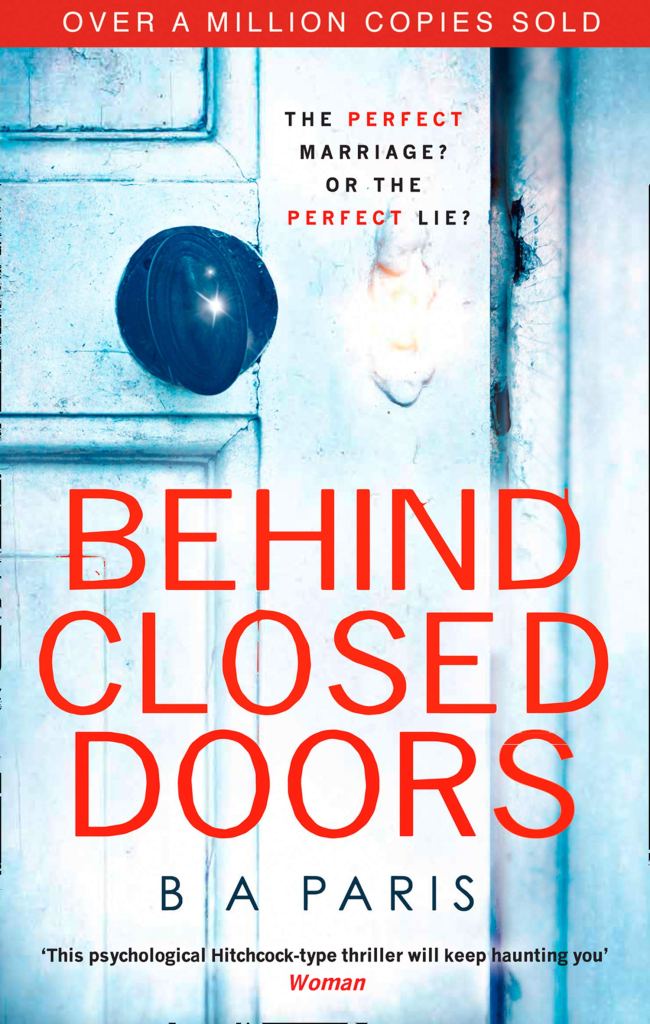
Grace is a lonely singleton devoted to her special-needs sister, Millie. When she meets charming and handsome Jack, she is especially touched when he bonds easily with her sister. Jack and Grace marry quickly (the first warning sign) and Grace slowly descends into an abusive hellhole. Jack is a sadistic asshole and Millie is his bargaining chip.

I enjoyed the first half, which was compelling and fast-paced. The problem started when the author ran out of plot at about the two-thirds mark. Publishers want to reach a certain price point, so they encourage manuscripts be 90,000 words. This one easily could have been 20K shorter. There is an extended, frantic escape sequence that I found boring. Everyone knows the heroine will survive, so either be creative with the escape plan or tighten it up. You don’t want to bore people, but this one did.

My rating: 2.0

Goodreads score: 3.96

5.

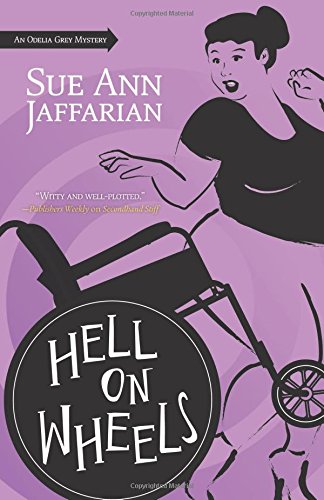
I enjoy this series for the most part. Odelia Grey is an original character and the plots are inventive and entertaining. What wears me down is the overly idealistic Greg, Odelia’s paraplegic husband. Everything about their romance is ersatz, from the hot sex to his singular devotion. When Odelia comes home stressed from a case, Greg says things like, “Is this a Ben & Jerry’s problem or a thin mint problem?” before proffering her favorite sweet. Readers love Greg, but I find him cloying as hell.

My rating: 2.0

Goodreads score: 4.0

No Two People

No two people read the same book, or so they say. Our lenses, preferences, and schedules mean that books can be received very differently. What is fresh to one may seem trite to another. While some might enjoy the devilish antics of the protagonist, others may find nothing to root for.

And, yet, there is often a critical consensus: people as a collective like or dislike the same things. Most books will only get a handful of reactions in any camp.

Every once in a while, the consensus and I do not agree. Next week I will look at the critical darlings that I thought were overrated. Today, here is a list of books I appreciated much more than others did.

I love that moment in books where a character says something you have thought privately but never heard articulated. It happened for me when Jodie, the long-married protagonist, says that her life has peaked and she doesn’t expect it to get better. Her husband has been cheating on her for years and she decides to face it in a macabre way. I found the whole thing very entertaining.

A lot of the negative reviewers had been pulled in by the Gone Girl comparison and felt it didn’t live up to it. I actually read this book first, so I couldn’t compare. Others wanted at least one likeable character. I prefer relatable characters, so that didn’t bother me.

My score: 5.0. Goodreads score: 3.32

2.

I can never resist this premise. Imagine if someone befriended you and you slowly began to suspect that you had met before. You can’t remember her, but she seems eerily familiar. I find the idea terrifying. In this novel, a depressed new mother meets an urbane neighbor who initially shows her kindness. It seems strange, though: why is an older woman seeking a friendship with someone in a vastly different stage of life? The tension pulls at you until you realize just how far some people will go for revenge.

The negative reviews couldn’t forgive the cliffhanger ending and what it implied. Given how awful it was, I liked not knowing for sure what the outcome was.

My rating: 5.0. Goodreads score: 2.83

3.

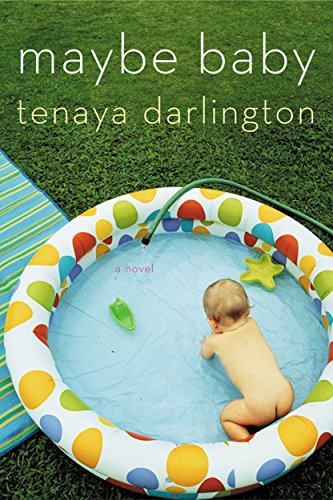
This is a beautifully written novel about a quirky Wisconsin family, the Glides. When the adult daughter, Gretchen, gets pregnant, she and her husband decide not to reveal the baby’s gender. The twist is that they plan to raise the child without ever revealing the gender.

It’s funny that so many of the negative reviews thought the gender-neutral concept was foreign. It isn’t in the West Coast communities I have lived in. That’s not why I liked it, though. It is a well-written story.

My score: 4.0. Goodreads rating: 2.92

4.

An estranged mother and daughter compete on a reality show where they travel in teams of two around the world. (Phil Keoghan doesn’t make an appearance.) Of course the producers exploit the girl’s secret and the mother’s same-sex curiosity. There are other characters, too, whose lives are revealed amidst the heart-pounding race.

I loved every minute of this book. Others compared it unfavorably to the author’s previous works and some didn’t like the “liberal” values. I can see how the soft-focus cover might have been misleading.

My score: 5.0. Goodreads score: 3.27

5.

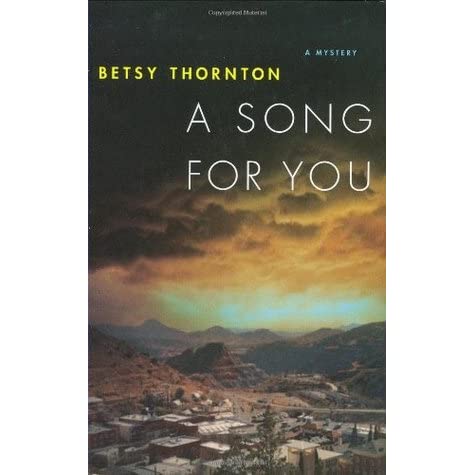
A mystery set in an Arizona bordertown? Yes, please. I loved the setting of this novel, a hilly town full of artists and bohemians. A private investigator, Chloe, is hired after a human body turns up in a backyard. A skull ring leads her to a local band who may know the killer.

This is the fifth in a series. Maybe readers were getting tired of Chloe and her love interest. (Those were my least favorite scenes.) How else to explain the middling reaction?

My rating: 5.0. Goodreads: 3.29

Hook Me

A good opening to a novel should give you a visceral feel for everything that is to come. It is a first impression, and like the human counterpart of first impressions, it’s difficult to erase its impact.

Hooking the reader immediately is a literary imperative. There are many ways to do it. You can start with an irresistible narrative voice which compels the reader to turn pages to get to know them. You can start with a dramatic event from which the plot unfolds. Or you can start with something deceptively simple, a small symbolic image that hints at the novel’s themes.

To get noticed in the highly competitive market, traditionally published writers have honed their skills enough to pull off a strong opening. Some are better than others. Here is a list of three good openings and two that need some work.

On a rainy night in Louisville, Tallie is driving over a bridge when she notices a man who appears ready to jump to his death. She convinces him to get a cup of coffee with her. She doesn’t tell the man, Emmett, that she is a therapist.

The opening is suitably dramatic and yet hints at a softer focus. When Tallie invites Emmett to move in with her, it is transgressive but still feels right. The high stakes of the opening transaction prepare the reader that this may not end well.

2.

This novel opens with the protagonist, Edie, sitting at her desk in an office in Manhattan. She has just received a text from a married man, who has asked her to remove her panties. They end up having cyber sex in the blue light of their computer screens, followed by a date in an amusement park.

From the opening scene, the reader is either pulled in or repelled by what is being suggested. The fact that Edie is Black and her lover white (and older) raises the stakes. In the age of #metoo, is Edie a heroine or a victim? Are we supposed to be OK with this or judge it as wrong? All of these issues are present from the opening scene.

3.

Reese is on date with a married man she calls Cowboy. They have stopped at Duane Reade for condoms. She runs into a Thai restaurant to order take out. (Cowboy loves green curry.) Reese is thinking about all the straight men who want to sleep with her. There are websites devoted to hooking couples like this up.

The twist is that Reese is a trans woman. She has not had bottom surgery yet, so the romp with Cowboy is anything but heterosexual.

This scene lays the foundation for the novel’s themes, about both the conventional and gender-bending elements of the trans identity. (Reese also longs to be a mother.) It’s a wholly original hook in a book full of fresh content.

4.

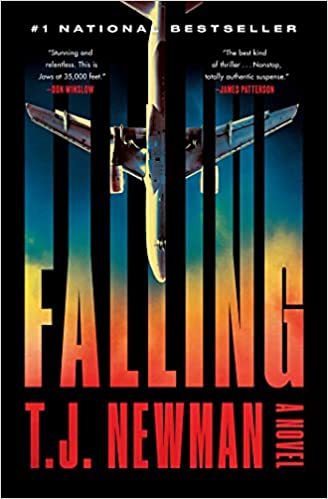
Bill, a pilot, is sitting near the back of a plane. He has just seen a woman’s dismembered foot land in someone’s lap. The plane lurches through turbulence. Passengers are screaming. They are in a dire situation and he can’t get to the cockpit to help.

And then Bill wakes up in a cold sweat. “You had that nightmare again, didn’t you?” his wife Carrie says in bed next to him. He shakes it off, hits the shower, and gets ready for a cross-country flight.

Maybe I’m showing my age here, but dream sequences are a tired and unimaginative addition to any narrative. David Lynch can pull it off. No one else can. If you’re not David Lynch, don’t have dream sequences.

5.

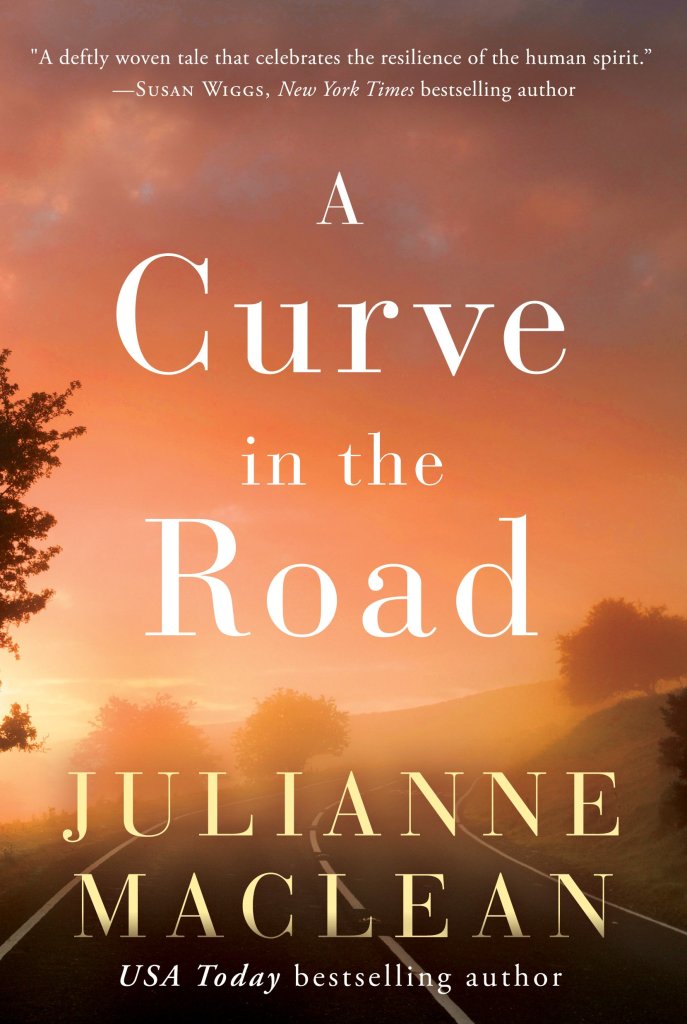
Abbie is living her best life in Nova Scotia. She is a surgeon with a strong marriage and a perfect son. Then one evening, she turns on the proverbial curve in the road and crashes into another car. She survives, but the other driver is instantly killed.

If this sounds familiar, it’s because fatal accidents as the point of no return have been a staple of pulp fiction and horror flicks like I Know What You Did Last Summer.

To make narrative matters worse, the driver of the other car is Abbie’s husband. And, of course, he wasn’t the man she thought he was. And, of course, she is shattered. And, of course, she meets a local vet who helps her trust again.

And, of course, it was a best-seller because there are plenty of people who don’t mind unoriginal plotting. More power to them.

Make It Stop

Every once in a while, I hate a book. Sometimes the bad reaction says more about me than the book. (I once rated Me Without You, a perfectly fine novel, one star because I was in a lousy mood.) Other times the story just isn’t for me.

If I figure this out in the first thirty pages, I cast it aside. (Easy to do with a Kindle; at another time and place I might click with it.) Sometimes I stick it out to the end, though, with imperfect results.

Here is a list of five books I should have parted ways with.

1.

I bought a bundle of these short stories not realizing they were erotica. I occasionally read in this genre, so I had no problem sampling them. This was the one that stopped the series cold for me. The titular protagonist has a dinner party, during which she has sex with a guest while her unsuspecting husband is in the next room. She then returns to cooking and adds her lover’s ejaculate to the soup. The final scene is Eleanor serving her guests in the dining room.

2.

This is a novel about childhood friends, Liz and Sarabeth, who are brought together by the tragedy of suicide. The agonizingly slow pace is appropriate for the gruesome subject matter, but it did nothing to help me empathize. There are scenes with no point, such as one in which Liz and her family drive to North Beach for dinner and then turn around and go back without eating. I really was happy when it was over.

3.

This one got a starred Publishers Weekly review, which shocks me. A lonely single mother, Holly, meets a charming Brit and agrees to marry him. Even before the wedding, he is creepy and controlling. When they move to the Cape, where the protagonist grew up, he becomes abusive. The only suspense is about when Holly will stand up for herself. The writing is amateur, the characterization flat. Next!

4.

This is the highest rated (on Goodreads and Amazon) on my list. I love this genre and thought the premise was original. Alas, it was full of S&M humor that went over my head. (Who knew there were so many inside jokes?) The third-person narrator skipped around from one character to another. Worst of all, the killer was obvious. Not a fan.

5.

This one had a good premise. Three bros in a bar make a bet about who can bed the attractive stranger sitting opposite them. When she chooses the wallflower, the others are chastened. Soon, though, she is confiding in them all about her abusive husband. Can she convince them to murder him?

Unfortunately, the narrative is slow and chock full of unnecessary details. We get page-long descriptions of one character’s workouts. When another goes to a lawyer’s office, we are given the full seven-name law firm. I’m convinced the author was under deadline with a high word count minimum. Why else would she include such details? Terrible!

How To Be A Best-selling Author

Writers seem to fall into two camps: those that aspire to best-seller status and those that don’t. The latter snort derisively at the lowbrow efforts that top the lists, perpetuating the stereotype that quality is an aquired taste. Others write intentionally towards sales, shuttling serious topics in favor of murder mysteries and epics.

As someone who reads pretty regularly from the NY Times best-seller list, I can both appreciate the snobbery and challenge it. While serious reading is essential, it is not the only reason to read. Reading kills time, entertains, and transports the reader to other places and times. Writers who earn these coveted slots often work just as hard as their more talented, underselling counterparts. In the end, a story is a story. If it speaks to your reader, you have succeeded.

So what exactly makes a book a best-seller? There are oodles of writers striving towards this goal who will never make it. But among those that do, a few commonalities stand out.

Here is my list of how to be a best-selling author.

  1. Be photogenic

Most best-selling authors are above- average looking. Selling means looking good. If you don’t believe me, take a look:

Taylor Jenkins Reid
TJ Newman
Sally Hepworth

These are all women who could have appeared on The Bachelor in their single days. There is no proof of a correlation between talent and looks, but I suspect there is one between author photos and sales.

2. Gently Imitate

It is a fallacy that copycat projects never get published. Eighty percent of them don’t because the market can’t support everyone, but there are plenty that get snapped up to fill the reading hole left when the original is finished.

One case in point are the legions of Liane Moriarty knockoffs. Liane Moriarty took the publishing world by storm when she perfected a formula for a new type of domestic suspense. Her protagonists are white, suburban, heterosexual, and usually upper middle class. They are almost always mothers. The plots of her books center on a suspected crime that could turn the protagonist’s world upside down. In one, the main character discovers a letter written by her husband in which he appears to confess to a crime. In another, a murder occurs at a school function.

Sally Hepworth cribs pretty liberally from this formula. In The Mother-in-Law, Lucy is a young mother living in a Sydney suburb. When her husband’s mother dies, the family falls under police suspicion. Could one of them have killed her?

The tension in these books revolves around a domestic house of cards, in which a perfectly nice life might be ruined by one fateful false move. Readers end the books relieved that their harried lives are comparatively safe.

3. Create a Brand

Most best-selling authors have a brand. Harlan Coben writes missing persons stories set in New Jersey. Taylor Jenkins Reid writes about show business. Anne Lamott and Glennon Doyle write spiritual memoirs from the 12 step perspective. If you can’t do a series, your books should be similar enough that readers know what to expect.

4. Create Crossovers

Instead of writing full-fledged sequels, authors are now borrowing from TV and doing crossovers. Characters from other books make brief appearances.

In The Boy from the Woods, lawyer Hester first appears on a talk show arguing in defense of her client, a wealthy New Yorker who was caught on video assaulting a homeless man. This is a brief reference to Simon Greene, the protagonist from Coben’s Run Away.

In The Maidens, group therapist Mariana visits her niece at Cambridge after a series of murders place a professor under suspicion. At one point she returns to London to consult with colleague Theo Faber, who has recently taken a job at the Grove. He is working with a catatonic client who murdered her husband. Fans of The Silent Patient get a new lens on the protagonist from that book.

5. Be Adaptation Friendly

Taylor Jenkins Reid had a unique talent for writing books that are cinematic. You immediately see the visual location and actors filling the roles. The same goes for many other authors, including newbie TJ Newman. The closer your narrative is to a screenplay, the higher your sales will be.

6. Hire A Super Famous Co-Writer

In the latest and most obnoxious trend, best-selling authors James Patterson and Louise Penny have collaborated with Bill and Hillary Clinton, respectively, to create co-written narratives that are making boffo sales, partly because of the built-in publicity. I refuse, on principle, to read these books. To my knowledge, neither of the Clintons ever aspired to write fiction so these projects seem like a crass attempt by publishers to guarantee sales projections.

(Edited to add: Bill Clinton’s two books with James Patterson have been on the best-seller list. Hillary Clinton’s book with Louise Penny will be released in October.)

Getting to G-d

I was raised Catholic in a small town. There were half a dozen Catholic churches and as many Protestant ones. Most people I knew belonged to a church, with a few Jews and atheists who didn’t.

I remember two things about my faith from these years – a kindly priest who comforted me after I was bullied, and a comically biased effort in CCD to keep teenagers from having sex. (I don’t know if the movies they showed us are still around, but they were like public service announcements for the dangers of trusting boys.)

I didn’t think deeply about religion and spirituality until I was preparing to graduate college. Something about launching into the unknown terrified me and I was looking for a rock to lean on.

As it happened, this became a pattern in my life. In times of difficulty or uncertainty, I often reached to books that dealt with spiritual themes. I think of these books as training wheels that brought me to a different level of development.

Here are three books that shaped and challenged me.

1.

College was a mixed bag for me, a combination of independent fun and turbulent growing pains. I had a lot to learn about myself, including the fact that I am an introvert and that I have a hard time with rejection. Before I figured any of that out, I was drawn to the gentle purple cover of A Return to Love. Marianne Williamson was an AIDS activist who hit it big after Oprah endorsed this book on her show. It is Williamson’s take on a large book of channelled material called A Course in Miracles.

The core message is a reversal of the Christian idea of original sin. Williamson believes that babies are born perfectly with an innate focus on love. As we get older, we fall from grace by adding bad characteristics like competition, greed, and hatred. The solution is to return to our inherent state through prayer and meditation.

I used the techniques in this book for years without seeing many results. Eventually I came to doubt its thesis. While children are pure, they are not programmed perfectly. From a young age, they can be selfish and competitive. I don’t believe they are born with the stain of original sin, as Christians do, but human nature is more complicated than this.

2.

By my late 20s, I had met some people who had truly suffered. I saw the pain of their lives and how it hardened them. I began to think more about fairness. It was clear to me that life was unfair and that you couldn’t blame people for their afflictions. A friend suggested this book and I read it several times.

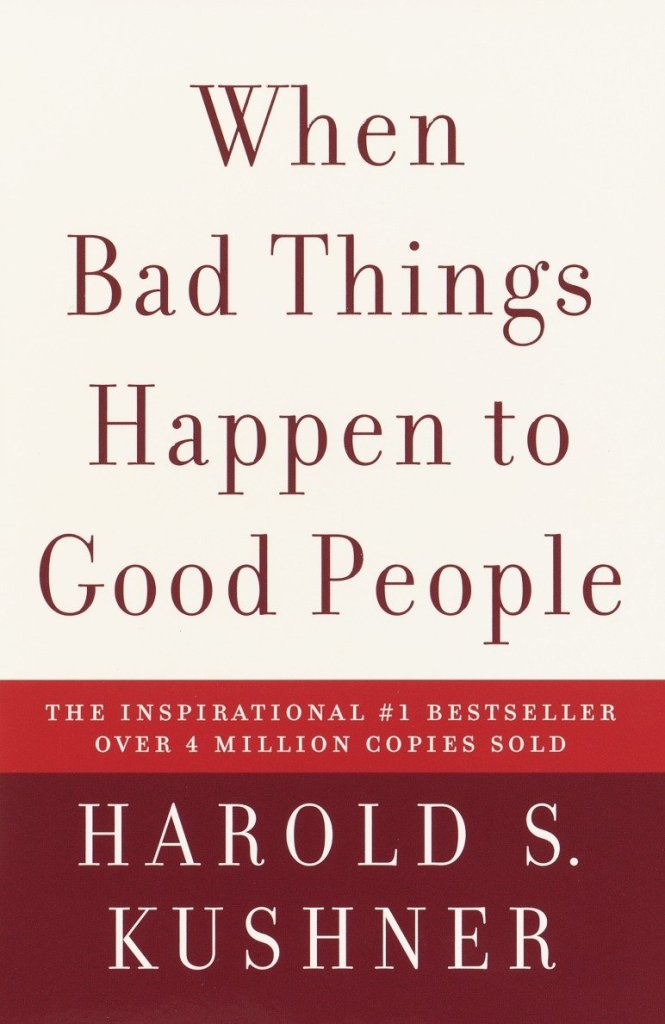
The author is a rabbi who lead a good life of faithful service. He was shattered when his son was born with progeria, a rapid-aging condition in which children are born with a ten-year life span. Kushner lamented his son’s fate and questioned his own faith. How could a good G-d allow children to suffer and die?

Kushner’s conclusion was radical for his traditional faith: he decided that G-d could not be both all-good and all-powerful. God created free will to give humans agency over their lives, but by doing this He gave up his own power to control outcomes. His spirit could work through people, but He could not himself intervene.

By embracing this new faith, the rabbi was essentially turning his back on Scriptural literalism. I’m sure some would accuse him of pride for transforming his own faith because of his personal tragedy. I liked this book, though, and the fact that he resolved his dilemma without giving up hope.

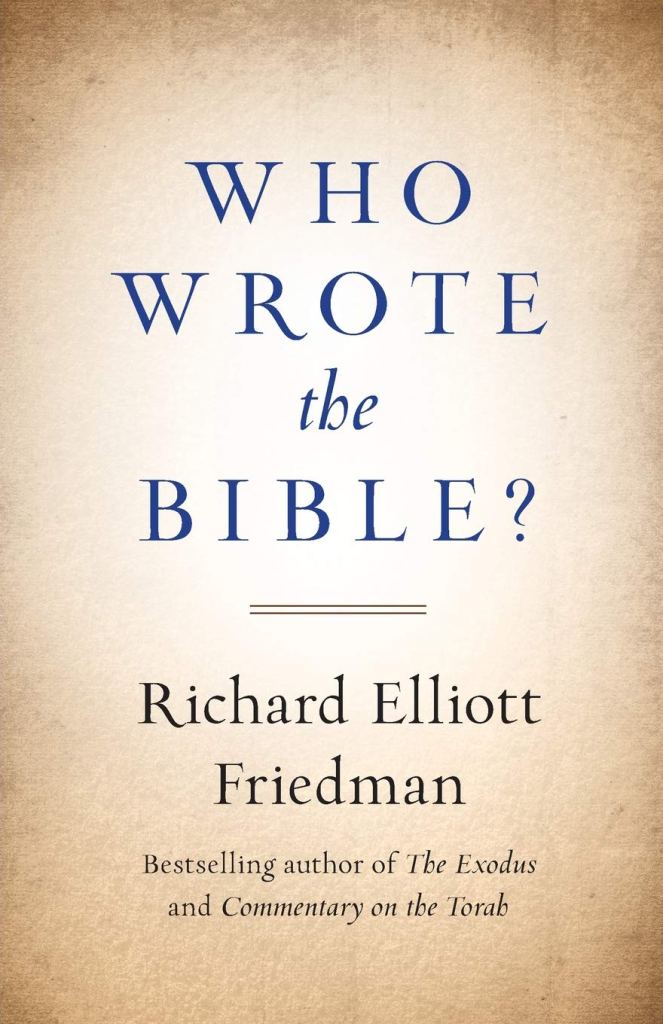
3.

By my thirties I was feeling a pull back to traditional religion. I decided to read the Bible and try to better understand its origins. This was an excellent introduction.

Many years ago, tribes of people throughout the Holy Land passed stories from generation to generation. (I like to imagine a circle of people around an open fire, tents flapping in the wind.) There were different tribes with slightly different stories that they had heard from elders.

Eventually literacy and writing allowed the tribes to write down their stories. These became the sources that formed what is now the Hebrew Bible. There are four sources, each known by a letter: J, E, D, and P. Stitched together, they form a coherent but repetitive story. (The Christian Scriptures were formed from a different source, as well as writings from the first Christians. They are meant to be the fulfilment of the Hebrew Bible and are added to it to form the Christian Bible.)

Because of rudimentary editing in ancient times, the same story sometimes repeats twice with different details. One famous example is in Genesis, when the creation of Adam and Eve occurs twice. (In one story, Adam and Eve are created simultaneously. In the second, Adam is created first with Eve being formed from Adam’s rib. Jewish scholars have explained this lacuna by stating that Adam had two wives, Lilith and Eve. More likely it was a primitive editing error.)

I loved learning about the formation of the Bible. It definitely killed any lingering belief about the inerrancy of Scripture. But it also gave me a solid respect for community-based religion. I came away from this book with an awareness of the difference between literal and spiritual truth.

15 at 50

I have a tendency to like but not love most books, the critics’ equivalent of an easy B. The competitive nature of the publishing industry ensures that most books have something going for them. As a writer myself I try to look for the good in others’ efforts. The odds are solid that I will rate a book four stars.

There are fewer books that I outright love. Sustaining my interest to the last page is not easy. There is nothing new under the sun, so plots can become routine. Writers overuse certain language. I don’t always connect with the emotional arc of the protagonist.

As I turn fifty this week, I am reflecting on a select list of titles that I think of as the best. Here are my fifteen favorite books.

15.

I have heard exactly one song by Patti Smith so it would be a stretch to call myself a fan of her music. You don’t have to know her catalog to be drawn into her writing. There is a scene at midpoint in which a teenage Patti gives birth to a daughter. She never mentions the child again. The book is like that: full of small moments that combine to reveal this enigmatic artist.

14.

This novel opens with the depressed narrator, Jess, writing to her estranged lover, longing for the connection they once had that has been severed. It’s the perfect opening for a sad and challenging work that places one lesbian in the greater LGBTQ historical context. Jess has a hard life. There is poetry in her struggle.

13.

The author grew up poor in North Korea, indoctrinated to believe that their leader was a god. Struggling to eat each day, she learns of a dangerous way out. If she can sneak across the border into China, better opportunities await. Until I read this, I had no idea that human sex trafficking was as prevalent or as harrowing as it is. I was on the edge of my seat turning the pages to see how she got out.

12.

This book is rich in Mexican history and Biblical themes. I was captivated and didn’t want to leave the world it created. (And, if you look closely, it’s the only book on the list published by my former employer.)

11.

This is a vivid depiction of the ’80s AIDS era. I was amazed by how much the author captured that time, as well as the bonds of chosen family. One of my favorite books set in the West Village.

10.

This book is remarkable. Not only does it reinvent the suspense genre, but it wickedly satirizes the beauty myth. Nice armchair travel to Nigeria, too.

9.

I envy readers who easily connect with protagonists. What a pleasure it must be to relate so easily to characters. Every once in a while I join in on the fun. I was enthralled by Felix’s earnest longing to fall in love for the first time. I was surprised, too. The story took some turns I didn’t see coming. A pleasure.

8.

Harlan Coben is the kind of writer who makes you stay up late and call in sick. This is his standard missing persons story, and one of the best iterations. After his mother dies, the protagonist comes to believe that his long dead brother may still be alive. The plot is twisty and there is a great sidekick. Suspense at its finest.

7.

If I were selecting a book for a Trump era time capsule, this would be it. Although his name is never mentioned, Trump’s shadow is in every story of everyday Americans whose lives have been shattered by factory closures or increasing violence in the neighborhood. The author is a master stylist, creating poetry from the failed American dream.

6.

I read most of this book sitting on a bench in Stanley Park in Vancouver. My attention was divided between lovely maritime scenery and this engrossing novel. The author has an amazing ability to make the mundane riveting. I was hooked. I’d be hard-pressed to explain the plot, but I enjoyed every minute.

5.

I knew very little about Iran before I read this graphic novel. It details the history and culture through a modern protagonist who is not happy when the Shah is overthrown. The conflict between tradition and independence is fascinating.

4.

I avoided this book for a long time because of the hideous cover. (The paperback is even worse.) It’s a beautifully written saga of a group of Jews after the destruction of the temple in 70 CE. I felt transported to the desert surroundings and compelled by the characters’ grit.

3.

The first few chapters of this work are among the best I have ever read. I immediately understood this Bronx neighborhood and the limited choices of its residents. It has been aptly compared to great Victorian novels for its depiction of the struggle against nearly impossible odds.

2.

This is one of the few books I can quote entire paragraphs from. The prose is so rich and the characters so idiosyncratic. There is no one quite like Anne Tyler.

1.

Of all the books on this list, this is the only one that left me in awe. How anyone can tell a family story like this with such erudition and pathos is simply beyond me. Alison Bechdel is a genius.