Voice Lessons

Literary agents endlessly seek original voices, those rare writers who can capture life through an idiosyncratic tone. Some projects stand apart from the crowd with the musicality of the language and the freshness of their perspective.

You could argue that most acclaimed authors are distinctive. Even pulp fiction has its quirks. But a few times a year, a book is released that feels like encountering something all its own. Finding them as a reader is the proverbial breath of fresh air.

Here are four novels and a story collection that made me sit up and take notice.

1.

I’m not a bad guy. I know how that sounds – defensive, unscrupulous – but it’s true. I’m like everybody else: weak, full of mistakes, but basically good.”

The opening lines of the first story of this collection are riveting. We get a sense of this man, Yunior, and his internal conflict. And then he goes deeper:

Magdalena disagrees though. She considers me a typical Domenican man: a sucio, an asshole.”

Another few lines and we have the central conflict: not everyone agrees with the Yunior’s self-assessment. His battle against his own nature is at the heart of this story collection.

To read Junot Diaz is to be held captive by this unique voice, a window into Dominican-American machismo.

2.

It was a queer, sultry summer, the summer they electrocuted the Rosenbergs, and I didn’t know what I was doing in New York.”

One fiction fundamental is that your opening should hint at all that is to come. Plath is a master at foreshadowing. Just look at all she does in her first line: “sultry” evokes the mood and setting, the last line contains the narrator’s dislocation, and the Rosenberg reference connotes the electric shock treatments the narrator will go through.

But what else can you expect from a poet who coined the term granite canyons to describe the city?

3.

This is an unsung gem, the story of a naive young woman’s summer internship in New York. It starts by introducing her birth mother, who is anticipating their first meeting:

Lulu is enjoying a soak in the bathtub of her room in the Konig von Ungarn in Vienna. She’s put in a double helping of the bubble stuff that came gratis in a stoppered glass bottle – none of those cheesy foil packets for this hotel!- and had fashioned herself a bubble helmet and enormous foamy breasts.”

I love this description of a pampered woman and her child-like bath time. The story twists quickly: Lulu is with a rich boyfriend and is luxuriating in the bath because it’s a rare treat (perhaps hinted at by the gratis reference… an affluent character wouldn’t notice such things). She is anxious about Desert Ray, the baby she gave up twenty-one years ago. Now called Edith, she has moved to New York for the summer to intern for a literary magazine. The story of Edith’s summer, and her reunion with her mother, is a delightful read.

4.

I was looking for a quiet place to die. Someone recommended Brooklyn, and so the next morning I traveled down there from Westchester to scope out the terrain. I hadn’t been back in fifty-six years and I remembered nothing.”

Paul Auster starts this excellent novel with the distinct voice of Nathan, a depressed divorcee looking for a way out. He is a life insurance salesman estranged from his adult daughter. As a favor to her, he finds his nephew Tom and begins the slow process of reconnecting to life. This is a vivid depiction of a man and his neighborhood and the small things that make life worth living. No writer does it quite the same way.

5.

I do not love mankind.

People think they’re interesting. That’s the first mistake. Every retiree you meet wants to supply you with a life story.

An example: thirty-five years ago a woman came into the library. She’d just heard about oral histories, and wanted to string one together herself.

‘We have so many wonderful old people around(she said…) my father, for instance, is in a nursing home’

Her father. Of course. She was not interested in the past, but her past.”

The distinct voice of Peggy Cort, a cranky librarian in 1950s Cape Cod, jumps to life from the page. She has all but given up on life when she meets James Carlson Sweatt, a giant who captures her heart.

The plot – think Harold and Maude – is not terribly original, but the voice certainly is.

Say What?

If you read enough, you will undoubtedly come across some peculiar details. Sometimes they are meant to shock the reader, a confession that is unsettling in its singularity. Other times they reveal cultural differences, saying as much about social location as anything objective. For the most part, though, strange tidbits are part of the idiosyncrasies of books.

Here are five unusual moments I’ve encountered between the pages.

1.

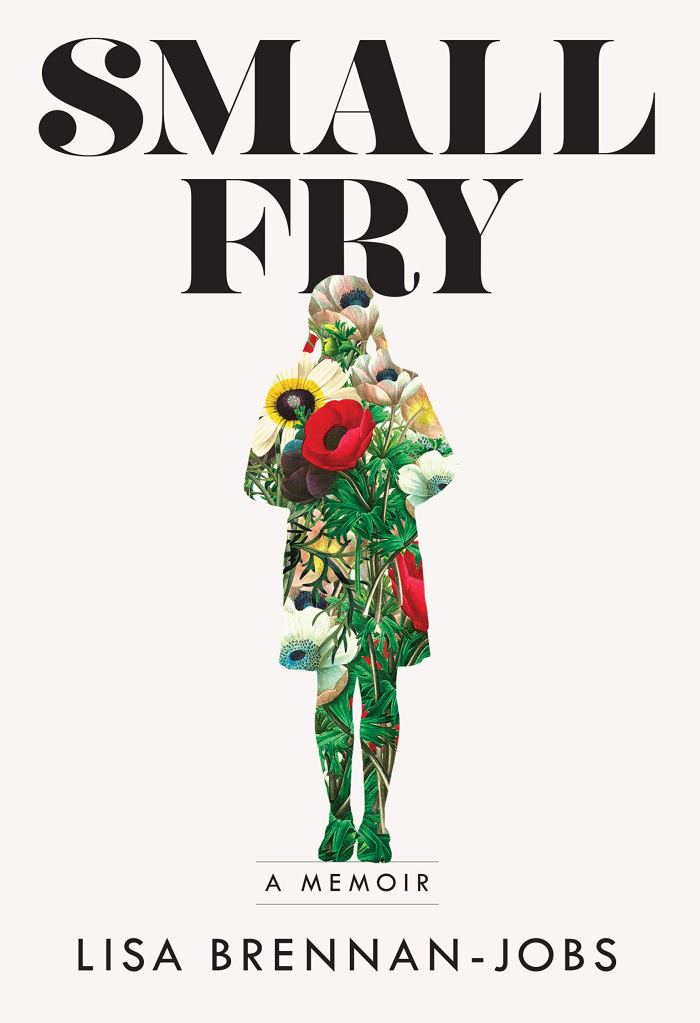
The author is Steve Jobs’ oldest daughter, a result of a high school romance that never solidified. She was raised mainly by her mother in the shadow of her father’s privileged life. In one scene in this memoir, seven-year-old Lisa is visiting a house with a swimming pool. The occupants are a hippie couple with a child Lisa’s age. When Lisa walks in on the mother breastfeeding, she is encouraged to do it as well. Reluctantly, Lisa feeds off the strange woman. A police investigation follows.

2.

Iris is an identical twin with a mission: she needs to procreate before any of her siblings do. Their billionaire father fashioned his will after dynastic blood line rules. Her twin, Summer, has one upped her by marrying a widower with a baby. They are bent on giving him a sibling.

Summer calls Iris to tell her that her stepbaby is sick. Her baby boy is getting erections and they are a symptom of certain maladies. This sets up a dramatic plotline, but I will still file this under “Medical Facts I Didn’t Need To Know.”

3.

A mother of six, the author lost her husband in a freakish accident when a wave crashed on him at the beach and broke his neck. The pain and loss the family went through are the subject of this coping memoir.

Before all of that, the author was an Americorps teacher in a Texas border town. To keep childhood trauma at bay, she binge drank from one honky tonk to the next. She developed a habit of wearing a candy necklace when she went out, allowing bartenders to lean over and bite off a piece of candy in exchange for free beer. It’s a good metaphor for the childhood trauma she was burying, but in the current age, it gave me pause.

4.

In grad school I briefly studied Buddhism, including several works by the famed Thich Nhat Hanh. It was all a bit too nebulous for me.

This book is about the spiritual principles of eating. The author is a strict vegetarian, believing that the violence of slaughter is poisonous when ingested. He does consume some animal products, though, such as cow’s milk. However, he states that he doesn’t drink milk. Instead he chews it. I’m not deep enough to embrace this practice.

5.

I first read this book as a teenager, unaware that it was a fictional retelling of the famous Johnny Stompanato case. It all seemed so fresh to an unjaded eye.

Rereading it more recently, I was struck by its old-fashioned qualities. The protagonist, Luke, is awoken in the night with the news that his teenage daughter has stabbed her mother’s lover. Luke’s current wife, who is eight months’ pregnant, drives him to the airport for a red-eye to San Francisco. They take a seat in the bar, lighting up cigarettes and drinking Manhattans as they wait for his gate to be called. That’s both of them: man and heavily pregnant wife. The swinging ’60s have new meaning to me now.

Reading Around the Map: Bay Area

Setting is often secondary in novels. Characters might live in anonymous suburbs and towns, indistinguishable by region, lacking particular detail about the history and customs of the area. In other books, the location is as detailed as a character, full of quirks and recognizable traits.

San Francisco has been my home for twenty-six years. As with anything familiar, it is sometimes difficult to stand back and describe it. I might focus on the Hitchcock noir of Nob Hill, the queer spaces in the Castro, or the old-world feel of Chinatown. I might expand to the beauty of the Oakland hills across the bay from the glittering city. Or the campus at Berkeley, with its bell tower standing sentinel.

How do books fare in capturing the area? I examine five in this week’s blog.

1.

San Francisco has a Chinese population of twenty percent, a fact easily absorbed by the ubiquity of Mandarin language in public spaces. Chinatown is often presented in guidebooks as a tourist location, so it’s easy to forget that this is a neighborhood that served as a haven for immigrants in earlier times.

Malinda Lo brings the historic Chinatown to life in this queer YA novel, which won the National Book Award. Lily is a doctor’s daughter with dreams that extend beyond the insular community she is being raised in. When she meets Kath, a shared interest in going to a drag performance leads to first love.

This is a slow-burn romance that depicts both an immigrant neighborhood and a closeted gay community, still under the thumb of mid century values. The final scene, outside the famous Vesuvio bar in North Beach, ripped my heart out.

2.

The title refers to a California reality: the beautiful Golden State is built on fault lines that could cause major destruction. Tremors are believed to be a good sign: small earthquakes ease the pressure and reduce the risk of a big one.

All of this is somehow a metaphor for the unstable domestic life of the unlikeable protagonist of this engrossing novel. After a lengthy relationship with a woman, she leaves her to raise their child with her onetime lover, the child’s presumptive father. This leads to an ’80s stab at polyamory and blended families.

Most of the story is set in Berkeley. The details of brunches and work parties felt right to me. A lot of reviewers didn’t like the protagonist or the cliffhanger ending, which hinges on the paternity of the child. It all worked for me.

3.

Jenna Ross is a court psychologist living in Bernal Heights with her partner and child. She is haunted by the news that her childhood friend has drown in their Florida hometown. She becomes obsessed with what happened to Del after their teenage romance ended, and increasingly convinced her death was not accidental.

While a lot of this story takes place in Florida, there are some nice Bay Area details. Jenna’s son, for instance, thinks that the Oakland shipping yard cranes look like dinosaurs. That’s a great observation about a common but unsung view.

4.

This is a lovely family saga about four siblings who encounter a psychic who tells them the exact dates each will die. From this premise, the story of their different choices unfolds.

Simon moves to San Francisco to work at a gay bar. He is fated to die of AIDS. We see his world and meet his boyfriend. Another sibling, Varya, turns up in Marin as a longevity scientist working with monkeys at a research institute two miles north of Skywalker Ranch. I found both of these stories compelling, albeit somewhat limited to era.

There are plenty of references that jump out to a local. For example, Varya is interviewed by a San Francisco Chronicle reporter and there are mentions of the San Pablo Bay.

In this case, the local details made reading more fun. I think it may be one reason I liked it so much.

5.

This delightful series features a bipolar former domestic terrorist who makes his living as a tarot reader on Telegraph Avenue near the Berkeley campus. For the uninitiated, Telegraph is a street of head shops, indie bookstores, and lunch places. You are more likely to see an incense vendor than a cop.

It’s a perfect setting for these kooky plots. Each one centers on a different card in the tarot deck. This one features a murder that occurred while the victim was under a hood in a dominatrix’s lair.

Small gems like these are why I love reading. I wish there were more titles in the series.

Mansplaining G-d

Atheism is nothing new, but in the years since 9/11 a plethora of new writers have occupied best-seller lists with polemics about the dangers of theism. Although the real concern may be irrational fears about Islamic terrorism, often these books take aim at Christianity much more fiercely than other Abrahamic faiths.

Publishing is nothing if not a bellwether, and the success of these books shows a societal interest in the root causes of political violence. This is possibly excessive concern, as casualties from terrorism are statistically unusual. There is also the not insignificant task of separating religion from politics. Are beliefs causing problems, or would the problems still occur without any organized thought behind them?

Here are a few authors who have embraced atheism as a social solution, starting with a work that may have inspired them.

1.

If you talk to a serious atheist, chances are they will cite Bertrand Russell as a hero. In this famous work, the Cambridge don crystallizes his logical argument against theism.

Among the tenets is the first cause theory. In short, it states that in order to believe in a creator God, it must also be true that God was himself created.

He is also not convinced that Jesus of Nazareth is the highest example of humanity. For one thing, he believed in Hell, a morally problematic idea of eternal punishment. He also inaccurately predicted that the end of the world was nigh.

In Matthew 8:28-34, two demon-possessed men confront Jesus, who casts out the demons into a herd of swine who then drown. Russell points out that, by making this miracle, Jesus had destroyed the livelihood of innocent shepherds and killed animals who did no harm. Is this a perfect man?

There is much more to this famous essay, but the main point is that philosophy and moral thought do not support the existence of God.

2.

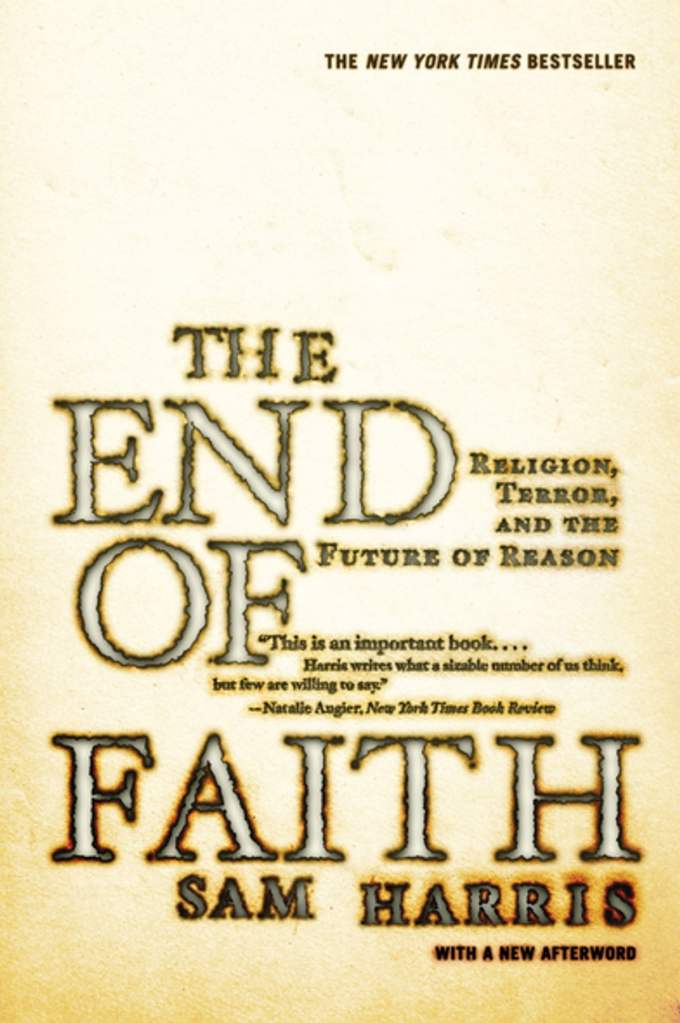
More recently, an uglier invective has entered the debate about theism. Sam Harris became a media figure after the release of this work in the mid-aughts. In it, he champions science and reason over theology. He offers multiple examples of Christian violence throughout history. Harris is convinced that the absence of religion will make the world a better place.

While there is no moral argument in favor of the atrocities of colonialism, the existence of nontheistic genocide does raise issues of correlation vs. causation. Figures like Stalin, Pol Pot, and Mao murdered without a religious motivation. It is possible that organized violence is not a result of religious indoctrination.

Harris comes across as a know-it-all with an ironic lust for power. It will be a great day when more unbiased voices dominate religious debate.

3.

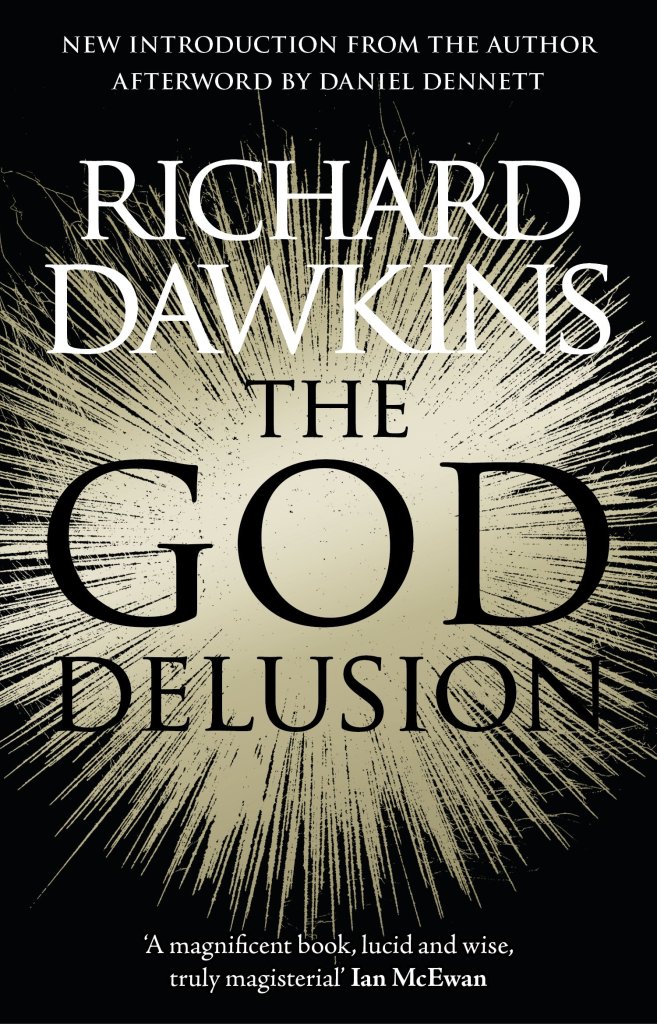
Richard Dawkins has an evangelistic zeal when it comes to the cause of atheism. He states outright that his goal with this work is to convert readers to his belief in the supremacy of science and the dangers of faith.

Dawkins believes that all mysteries will eventually be explained through scientific discovery. Religion stands in the way of reason. He spends one chapter giving a pedestrian analysis of the God of the Old Testament and the rest of it explaining topics like natural selection.

The danger of theism, he states, is that believers are unwilling to hear new evidence if it conflicts with their existing dogma. This is the key difference between a scientist and a religious person. A secular mindset is open-minded and not threatened by new information.

Dawkins is more academically compelling than Sam Harris but no less irritating. All three of these works grate with self-satisfied certainty. The reader is being mansplained from the page.

It’s funny that none of them raise the possibility that the patriarchy, present in both religious and secular societies, may be the more likely cause of social problems. Perhaps their social location as privileged white males makes this difficult to see.

Tools of the Trade

If you are a fiction writer, chances are you have read a few books about writing. The ability to put words together to form a story is both a talent and a learned skill. Fortunately, help is available in honing your craft. There are good sources on everything from inspiration to publication.

Here are five good books about writing fiction and what they taught me.

1.

While she is more famous these days as a spiritual writer, Anne Lamott produced one of the seminal books on the craft. I have read it enough times to quote it from memory. Her advice? Take it bit by bit, giving yourself short assignments each day. Write a “down draft” in which you dump all your ideas and an “up draft” in which you fix them up. She also prepares readers for the disappointment of publication and the inevitably of professional jealousy. She is a funny, brilliant writer with a mean streak that may turn some people off.

2.

I was skeptical of this project and ignored it for years. It seemed so New Agey and hokey. When a friend suggested doing it together, though, I was game. The author was a screenwriter (she shares a child with Martin Scorsese) who eventually burned out on the business side of the industry.

This book is her guide for tapping into the creativity that she believes we are all born with. Each chapter ends with a list of creative assignments, such as going to an art store.

As a result of working through this book, I wrote my first piece of fiction since college. A few years later I completed my first novel and began the submission process to literary agents. I wrote a second novel as well.

These days, call me a believer.

3.

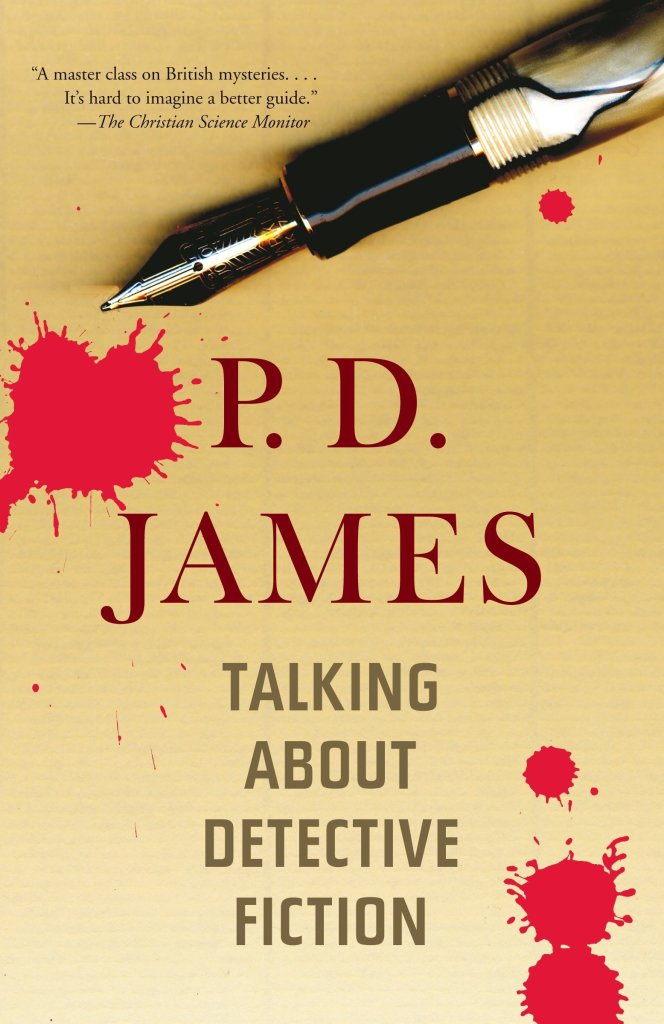
PD James is arguably the best suspense writer of recent times, right up there with Agatha Christie. This book is her brief examination of the fundamentals of the genre.

Mysteries, she tells us, became popular in World War 2. The appeal of the story had less to do with gruesome curiosity than it did with a desire to see a puzzle worked out and to see order replace chaos.

James assigns the writer with the task of creating a singular world populated with at least five plausible killers. Unlike the movies, which require that the culprit appear in the first act, she says you can wait until the end of the second act (about the two-thirds mark) to introduce your villain. Everything has to make sense, especially the motive and means of the crime.

If you’ve ever read a PD James novel, you will trust her word. She practices what she preaches.

4.

I read this guide after my first novel was reviewed and rejected by three agents. I was genuinely surprised by their apathy. I had a lot to learn about just how jaded readers are and how oversaturated the market is.
This book is an interesting look into the fundamentals of popular writing. The author returns again and again to the notion of the three-act structure. After absorbing the ideas, I realized how many movies I have seen that follow the structure.

The first act introduces the heroine and her world. You might see her home, job, and a friend or lover. At the end of the first act, an inciting incident takes place. This is a dramatic occurrence from which the rest of the plot unfolds. In a mystery, a murder happens. In a romance, a roadblock enters the path to true love.
In the second act, the protagonist is presented with obstacles to her pursuit. There are reversals of fortune, when luck runs out or things turn around. An ally might be introduced, either a person or event which helps or comforts. At the end of the second act, the hero experiences a dark night of the soul, a low point in which hope seems to be lost.

The final act presents the biggest barrier yet. There is often the threat of demise, either through death or separation. The final reversal of fortune brings the protagonist improbable success.

After act three, there is usually an epilogue that ties up the story. In romance, it is a wedding or coupling. In a mystery, it is the hero returning to a mundane life. Some writers throw in a final twist.

While I loved this book, writing according to the three-act structure in no way guarantees success. Just look at all the professionally written, unproduced screenplays there are.

5.

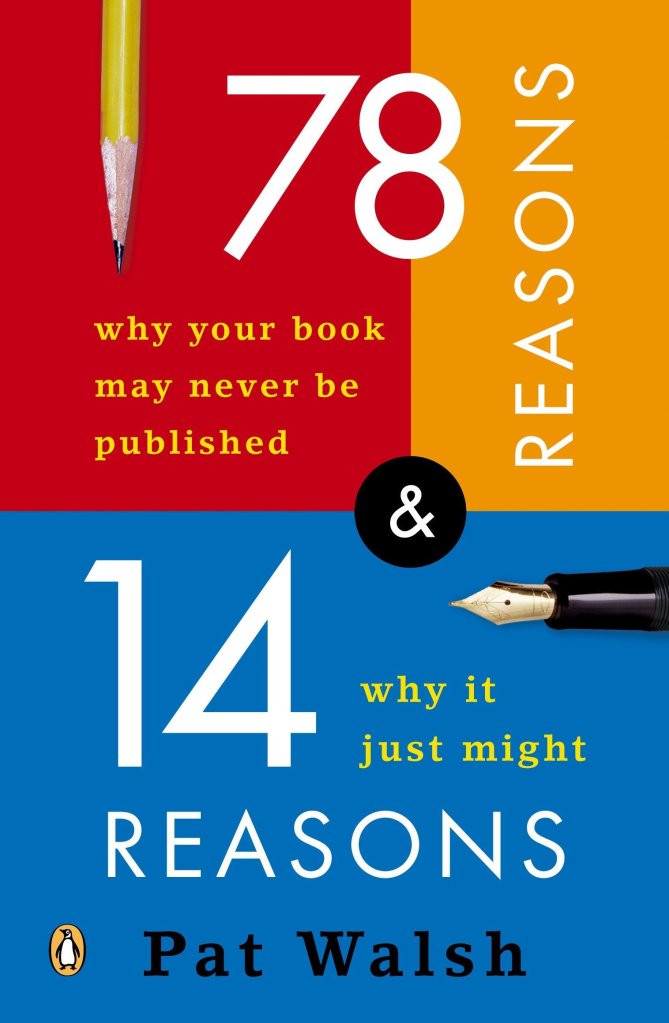
The author is famous for plucking The Time Traveler’s Wife off a slush pile after it went through dozens of rejections from the big publishing houses. In this work, he condenses his knowledge of the aspects of successful submissions. (Ironic, perhaps, given that a quality project like TTW almost went unpublished.)

Pat Walsh is an idealist, convinced that quality projects are more likely to find a home. He mentions an author who faced years of rejection with mediocre offerings. The man gave up writing, read hundreds of books in his genre, and then developed a wholly original concept based on what he’d learned. Walsh was blown away by the man’s subsequent submission.

It’s a nice idea, but it doesn’t explain the boffo success of truly average writers like Dan Brown and Danielle Steel. Clearly you don’t have to be good to be published.

The Dying of the Light

When it comes to spiritual matters, I am reasonably open-minded. I lack the scientific and medical training to dismiss supernatural claims with confidence. I am at the same time not a conventional believer.

The New Age field is a publishing phenomenon, with trade shows and houses that focus exclusively on related topics. Arguably the most successful titles are about claimed human experiences of the afterlife.

Here are five notable books about near-death experiences.

1.

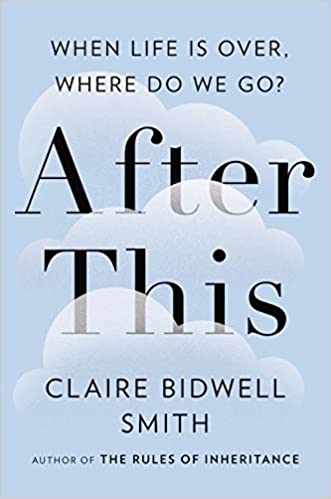
The author is a writer and therapist who got curious about the afterlife. This is the story of her investigation into topics like near-death experiences (NDE), psychics, and seances. It is framed by the personal loss she faced at an impressionable age and her perspective from her work. I was especially captivated by her chapter on mediums, but I loved the whole project. Definitely the standout on this list.

2.

Mally Cox-Chapman is a Yale-educated journalist who once had a supernatural experience during a car accident. Her car was flipping, but she felt a preternatural calm from what felt like the God of her Protestant childhood. Later she became curious about whether you could objectively determine the likelihood of a spiritual realm like the Christian notion of “heaven.”

This is similar to the previous book with a slightly different conclusion. Her ultimate message is that eight-million documented accounts of medical near-death experiences do in fact make a case for heaven.

3.

The author is an MD who had an NDE after nearly drowning in a boating accident. Among other revelations from her experience, she learned that one of her children would die young. A few years later, when her son did in fact die in an accident, she found comfort in the memory.

At times I found this book uncomfortable to read. I felt empathy for her loss, but the notion of predestined death is a tough topic with so much tragedy in the world. There is also the mind-bending physical idea that accidents are not accidental. I was reminded of a famous X-Files episode in which a man grapples with all the improbabilities of a fated Richie Valens death. Could a coin toss be preordained?

4.

There are no shortage of memoirs about NDEs. They tend to be similar, recounting an accident or hospital incident which results in clinical death. After the flatline, the person floats above their body (often hearing conversations that are later confirmed) and travels through a tunnel of light, usually encountering a spiritual being.

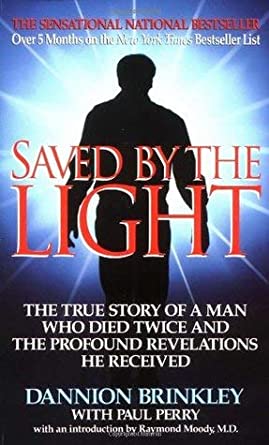
Dannion Brinkley was struck by lightning, literally and figuratively. After getting hit by a bolt, he went to a realm. He came back a changed man, aware of the harm he had been causing after a “life review” while away, seeing the impact of his actions on others.

As far as justice goes, the idea that every person will be forced to see their impact on others is a nice one. I remember enjoying this book.

5.

Betty Eadie may be the best known NDEer, having appeared on Oprah and other TV shows. She is the one I have the hardest time not judging, simply because I find her kooky and offensive.

Eadie is an Indigenous mother of seven who was declared clinically dead in the Seventies. She says she travelled through a tunnel of light and met Jesus.

At one point, she asks him about gender roles. He shows her “the council of men,” a group sitting around a kidney-shaped table. She learns that women are particularly vulnerable to Satan’s temptation and are therefore excluded from leadership roles.

I have several problems with this book. Of the titles I have read, it is the most certain and particular in its theology. The fact that her experiences so closely mirror patriarchal religion is problematic to me. There is also the fact that an Indigenous-identified author is selling a religion with strong colonial roots. It wasn’t women who led the genocide of her people, a fact she completely ignores. And yet she goes pretty easy on the white man.

I first encountered this book while visiting a friend, and as I read excerpts to her, she looked at me quizzically and said, “Let’s hope this was just a weird dream.” I concur.

The Lost Parent

Unlike the autobiography, which tells a chronological life story, a memoir is a nonfiction book in which the author writes about a particular time or experience in their life. There are many subgenres in this category, including parenting, travel, reading, and various time-restricted projects, like hiking a famous trail or cooking every recipe in Mastering the Art of French Cooking.

The absent parent subgenre has produced numerous works, poignant explorations of the mysteries that shape a child’s life well into adulthood. Often the writers have been abandoned by a parent, either through death or neglect. They are left to make sense of themselves within the shadow of loss.

Here are five good ones.

1.

The author is the product of an affair between Steve Jobs and his high school girlfriend. Their estrangement is rocky, and Lisa bares the brunt of it. Over time, he becomes a more involved parent, even asking his daughter to move in. He is an eccentric, eating a spare vegan diet and asking blunt questions about her sexuality. He also erupts at people over seemingly minor infractions. On his death bed, he expresses remorse for his behavior. Sadly, the damage has been done.

2.

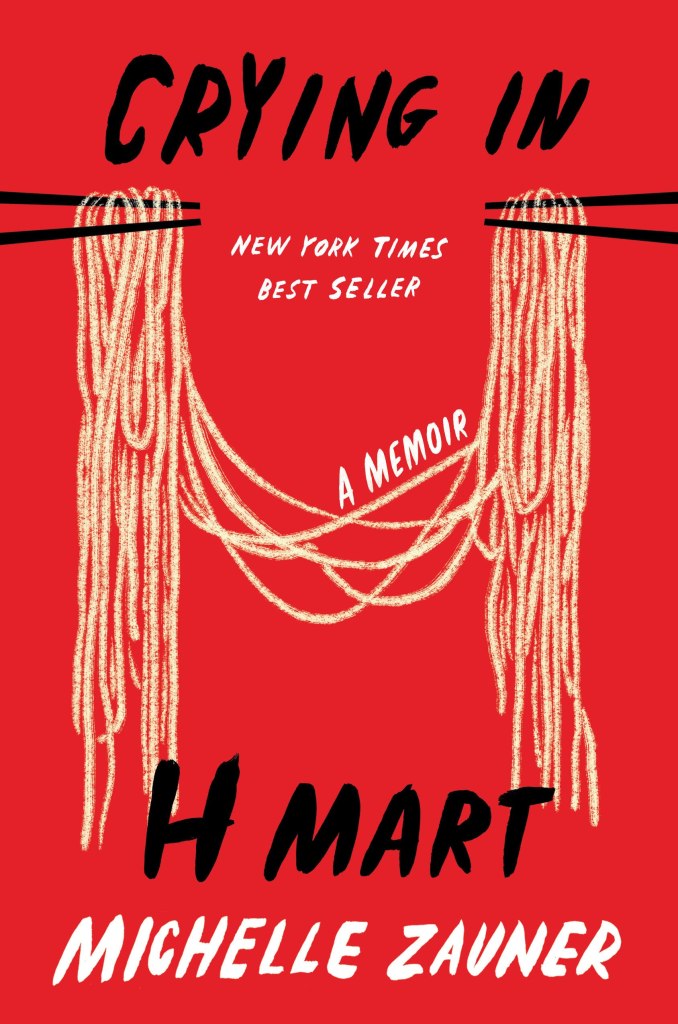
The author is twenty-five when her mother dies. She finds herself drawn to the Korean food that bonds them. This is a fascinating and poignant examination of how culture and tradition bind people. It’s beautifully written. It’s that rare book that will make you simultaneously crave food and miss your mother.

3.

The author is famous for his fiction, but I think this may be his best work. It is a gut-wrenching memoir about his mother, an abusive and alcoholic member of the Spokane tribe. She has experienced terrible tragedy and ekes out an existence in HUD housing. They have a complicated relationship that includes a three-year estrangement and the author willfully missing her death. The spare descriptions pack a punch.

4.

At age ten, the author was living temporarily with her father when he was brutally murdered. The crime is still unsolved when, as an adult, she begins an investigation. By probing the event, she learns about her family, community, and her late parent. It’s a riveting story that kept me up late.

5.

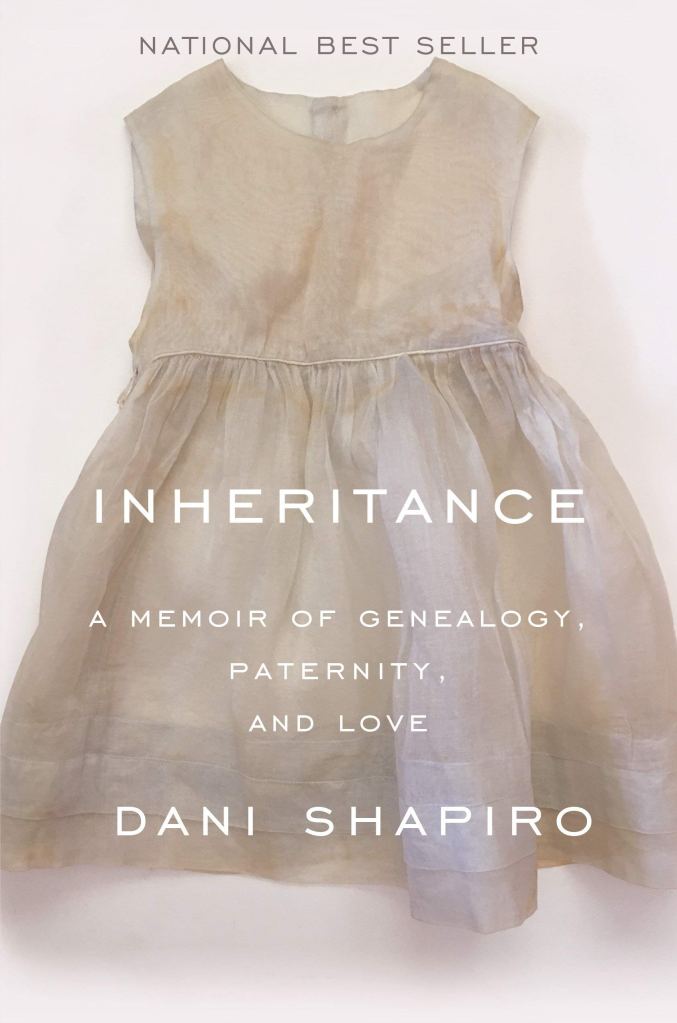
In 2016, the author capriciously submitted a DNA sample to a genealogy site only to be rocked by a family secret. The man who raised her was not biologically related to her. From this gripping premise, I was on the edge-of-my-seat as the author unearthed her family secret and considered connecting with her other family. This is a Top 25 book for me.

Holding Back The Years

Publishing is nothing if not an industry of trends. Vampires, wizards, and mainstream S & M have all had their days, with subsequent years of knockoffs and copycats.

There are also downtrends: successful streaks that decline into middling sales. One popular concept that is disappearing is the “my year of” projects. In these memoirs, authors step out of their routines and try something new.

The first time I saw this was in Anne Lamott’s Operating Instructions, a funny and relatable memoir of a baby’s first year. However, you could argue that was just a framing device for the start of a significant change of life.

The projects took a new turn when writers began focusing on a single pursuit for a limited period of time. Julie Powell spent a year cooking from Mastering the Art of French Cooking, Elizabeth Gilbert divorced and spent a year traveling to find herself, and Piper Kerman landed in prison for twelve months and wrote about it. Their books were rare successes involving big sales and TV and movie adaptations.

There were also plenty of forgettable copycats. Here are five yearly projects that didn’t have much to say.

1.

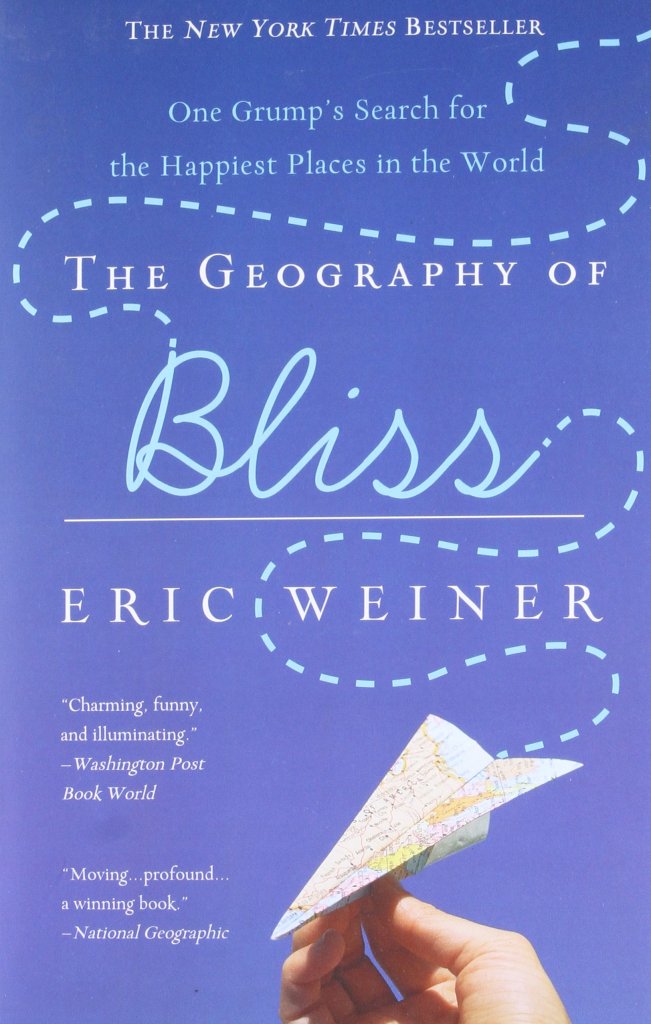
After years as a journalist covering conflict in desperate places, the author spent a year traveling to obscure regions of the world that rate the highest in happiness. The most memorable section is his visit to Bhutan, where residents paint penises as murals and live contentedly with few Western influences.

2.

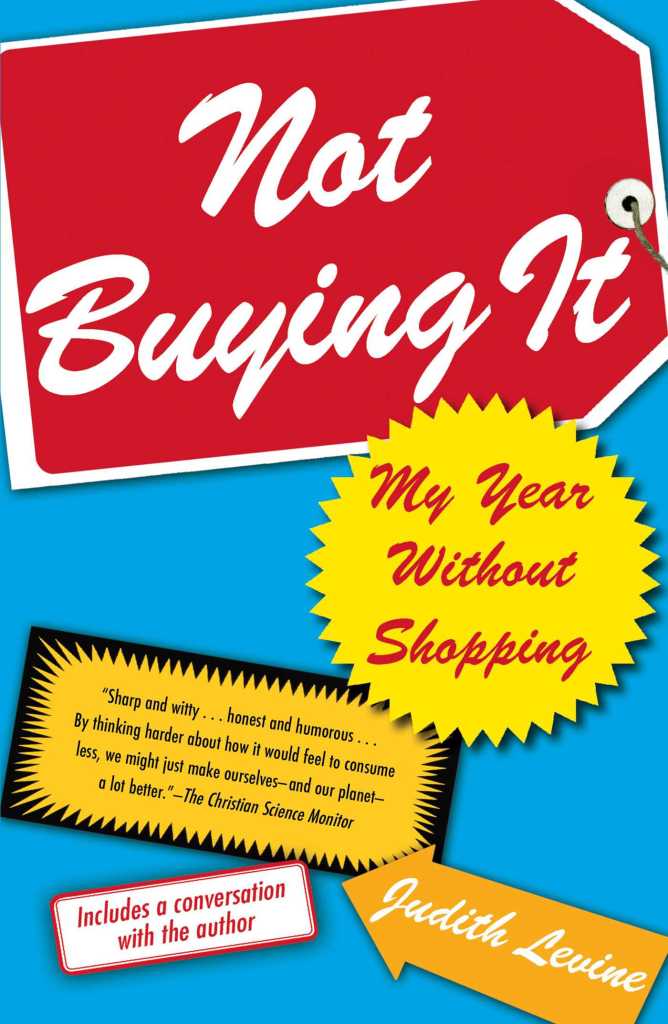
This is one of those books that reveals as much about privilege as it does about its topic. The author went a year without luxury purchases such as ice cream cones and movie tickets. She lost weight, felt the gravity of environmental footprints, and saved 8K. The entertainment factor is undercut by the drop-in-a-bucket futility of the project.

3.

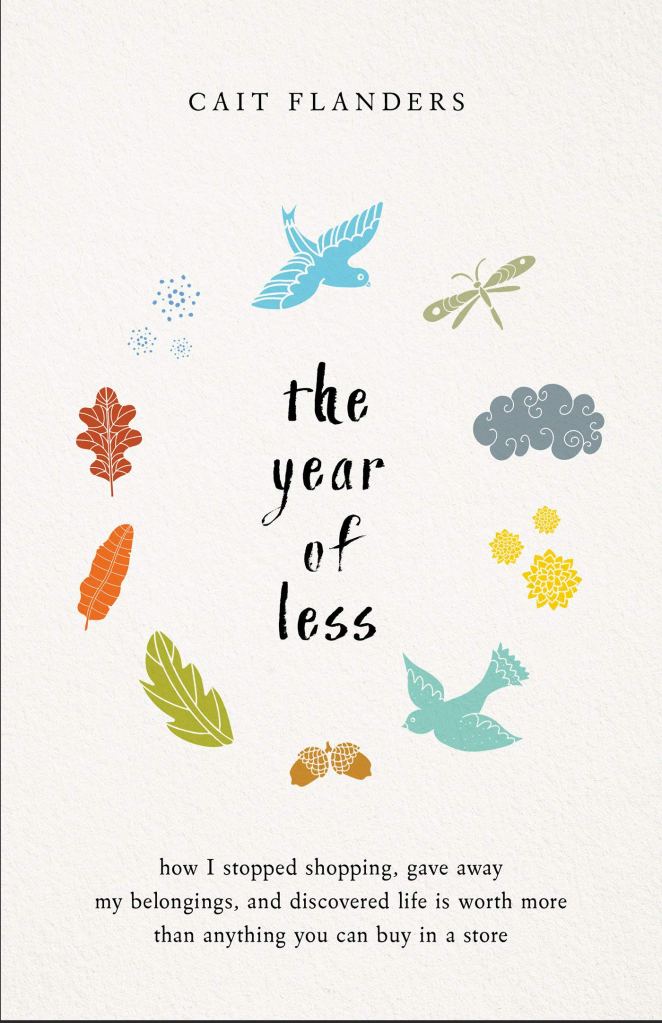
This memoir does not deliver on its stated promise. The author lives frugally but rarely achieves any kind of transcendence because she is too busy whining about things like how hard it is to go without a handcrafted latte. Imagine Elizabeth Gilbert stuck in a podunk town. A rare dud in my reading library.

4.

The author was drawn into Islam during college and ended up part of a community whose leader was accused of tax fraud. There were possible ties to terrorism. From a compelling premise, the author tells his story until he sides with the FBI and sees the “truth” of Christianity. I’m sure this played well on Fox News, but it is simplistic.

5.

Tired of the pressure women face about looks and weight, the author spent a year with no mirrors. It was also the year she was planning her wedding. This is one of those projects that sounds good but doesn’t deliver. The author doesn’t go deep and in the end has nothing new to say.

Celebrity Cringe

Celebrity memoirs tend to sell well, briefly occupying best-seller lists, despite the fact that they are disavowed by real readers, seen as indulgent exercises in public curation. The memoirist is the ultimate unreliable narrator, spinning tales with an eye on legacy and future career opportunities.

There is definite truth to this stereotype, as well as the concerning fact that parties discussed are not present in the pages to defend themselves. Just talk to Nicolas Cage, who sued Kathleen Turner after she alleged in her memoir that he stole a dog during the Peggy Sue Got Married shoot.

One pin in the curation balloon, though, is that celebs often reveal details that could cause as much harm as good to their reputations. Cringe-worthy moments happen in these stories, whether they’re intended or not.

With that in mind, here are five notable reveals in celebrity memoirs.

1.

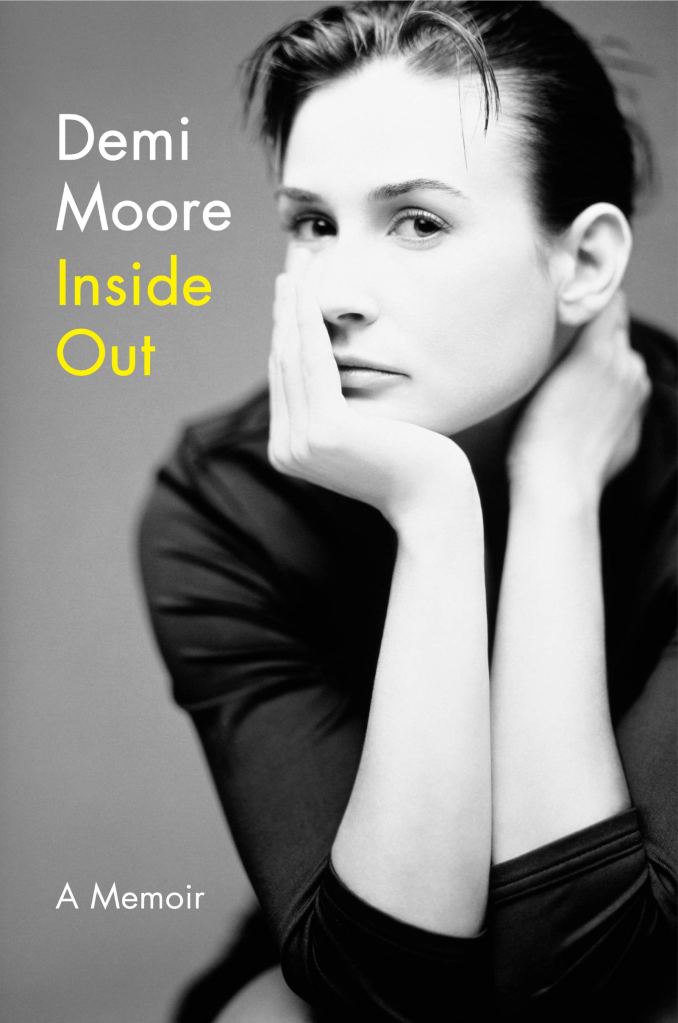
This is the best memoir on the list, because Moore has the right mixture of reflection and dramatics to keep things interesting. After a childhood that sounds like a Mona Simpson novel, Demi marries Bruce to have kids and falls hard for Ashton Kutcher. My favorite tidbit is from her brat pack years. Citing Rob Lowe’s own memoir, she admits she can’t remember their ’80s hookup but doesn’t doubt that it happened. Ouch!

2.

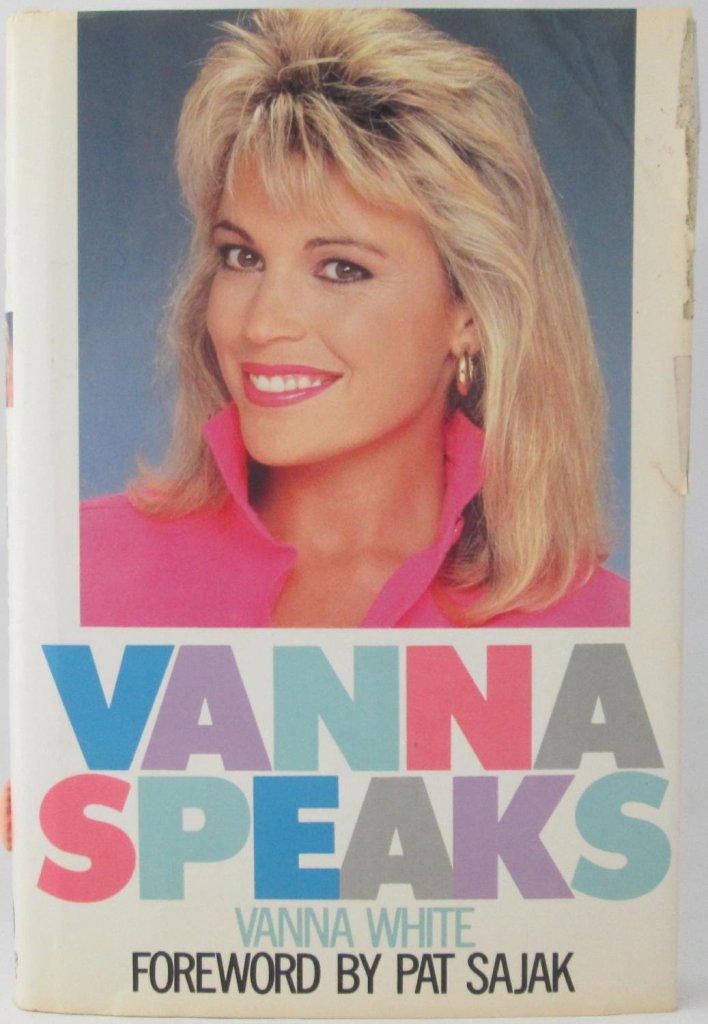
Vanna White’s life reads like a novel. After an idyllic childhood, she is living and auditioning in Hollywood when her mother is diagnosed with terminal cancer. She rushes home to watch her rapidly decline. A few years later, Vanna’s fiance dies in a plane crash. This is a harrowing and inspiring show biz story and a total page-turner.

The strangest detail, though, is that before his death her fiance drove a sports car with the vanity plate 2hot4u. She seems to find this charming, but I can’t help but wonder how long they would have lasted.

3.

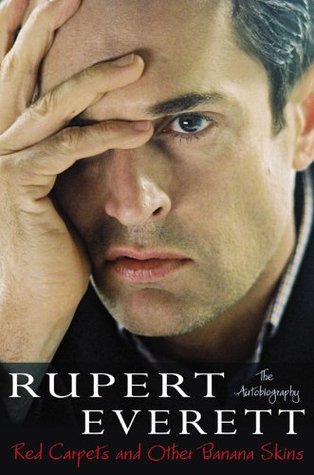
This is the only memoir on this list that I didn’t finish, so I can’t rate it. One detail stays with me, though. In the mid-Eighties, Everett was at the Chateau Marmont with then-couple Madonna and Sean Penn. He writes that the two of them disappeared into the bathroom for a long time and emerged with mussed hair and satisfied smiles. Is there a word for that? Maybe Al bagno?

4.

Daniels received an $800,000 advance for this story, 300K of which was stolen by her lawyer Michael Avenatti, who is now a convicted felon. That’s plenty to live up to, but this one is actually pretty gripping, including a look into the adult film business. I don’t believe all of it, but this particular story is verifiable: when she met her current bestie, the woman talked for months about how her boyfriend “Ed” was a huge fan of Stormy’s adult film work. Time passed and her friend said her boyfriend was excited to meet her, but he was often busy. At last, they arranged to go out together. Bestie’s boyfriend turned out to be Oscar-nominee Edward Norton.

5.

In addition to detailing her struggle with alcohol and improbable success as a fashion designer, the singer drops some surprising wisdom. To wit: “There are so many firsts to raising kids, and parents are told to catch them all. But they don’t warn you about the lasts. The last baby onesie. The last time you tie their shoes. The last time they think you have every answer in the world.”

There are a few TMI details as well. While heavily pregnant with her third child, Simpson claims she wanted to have sex four times a day. I can’t help but wonder what her original, more conservative fans would think of that revelation.

Books About Books

My love of reading came a little late. Raised in a family of bibliophiles, I admired cover art and read flap copy until finally, at sixteen, I found a book that enthralled me enough to turn the pages until the end.

I have missed out on the experience of lounging around an endless summer reading thick paperbacks or being inspired by a plucky YA heroine whose troubles mirrored my own. That sounds grand.

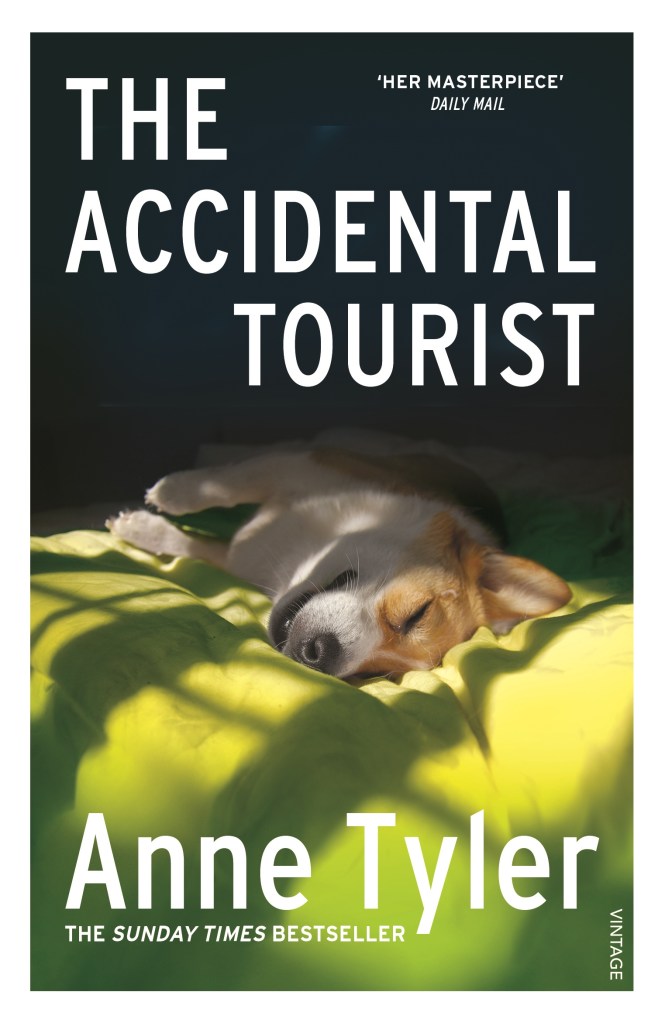
In fact the book that won me over was hardly relatable. It was about a bereaved couple separating after the death of their son and the quirky protagonist’s journey to love with a dog trainer. Not exactly something an algorithm would point me to:

Perhaps because of this, I have a fondness for books about an author’s love of reading. I have yet to read one not written by an under-the-covers-with-a-flashlight type. That seems to be an essential part of the arc.

Here are my three favorite books about books.

1.

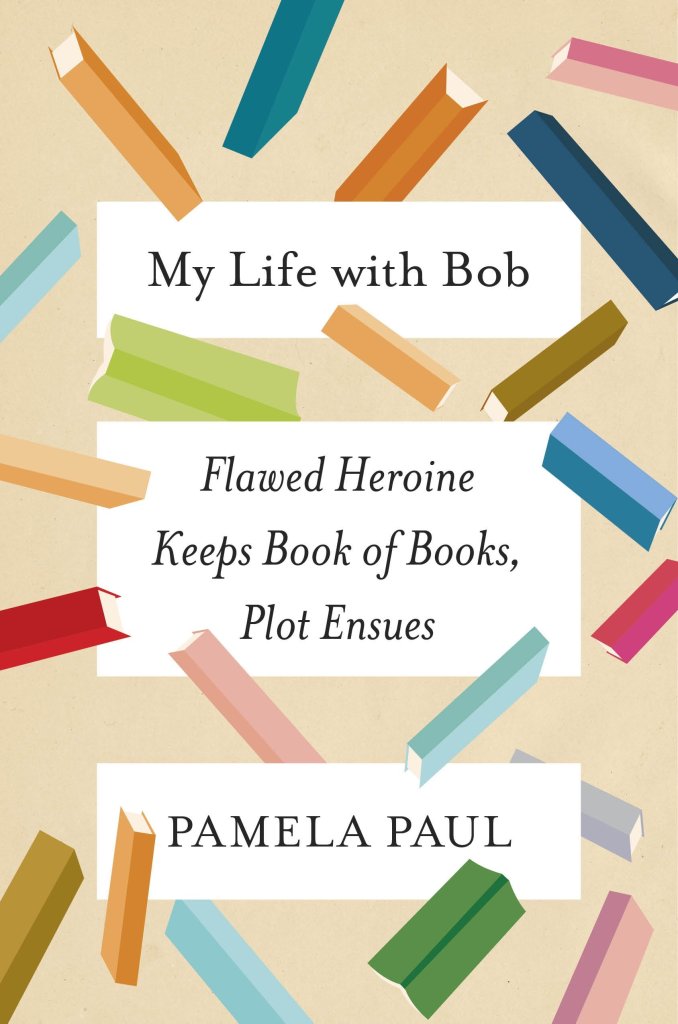
Praise to the copyeditor for not titling this My Life with B.O.B. This is a memoir about a young girl who creates a journal called book of books. In other words, it’s a reading journal. As she progresses through a colorful life of exotic travel and editing, we read about the books that accompanied her. I especially loved the South Asian years, when she lived in a hut without walls and read Western classics.

2.

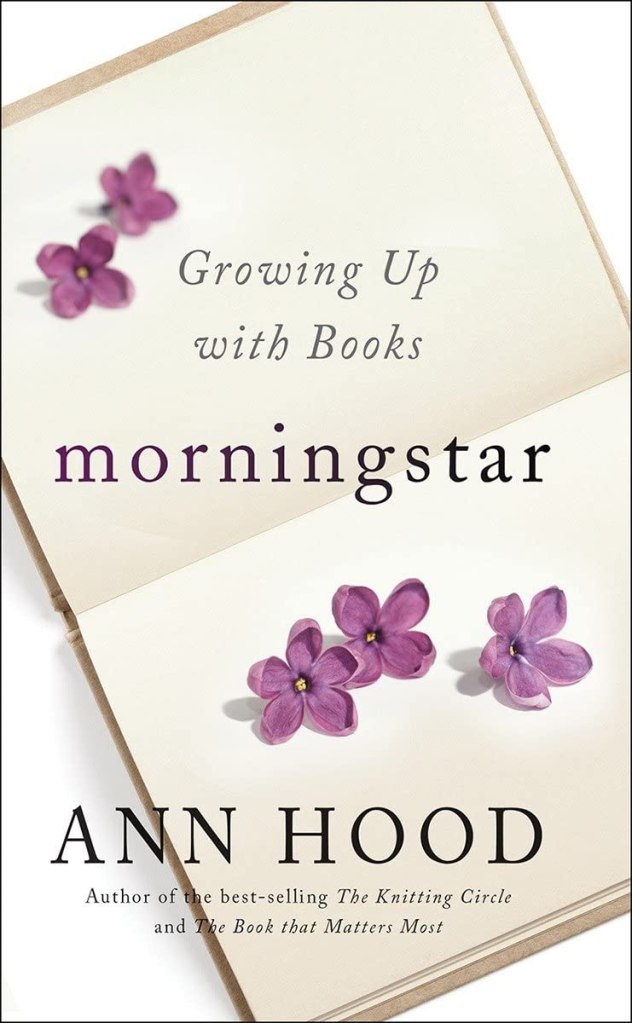
I first read Ann Hood’s fiction before discovering her memoirs. Her life story – told over multiple books – is engrossing and unsettling, touched by blessings to envy and tragedies you would wish on no one. She writes about religion, bereavement, cooking, knitting, and even Beatles fandom. My favorite of all of them is this short memoir about reading. She had one of those girlhoods unlike my own, being pulled away from magical places by the persistent call to the dinner table. I loved hearing about the books that shaped her, including the titular tome (couldn’t resist that) by Herman Wouk.

3.

One of the few reasons I subscribe to the New York Times is to read the By The Book column. In it, authors talk about their own reading and the literary life. It’s both fascinating and guilt-inducing. Where else can you learn that Sting loves Wolf Hall or that you share a favorite book with Ann Patchett? It’s also a great resource for books you’ve never heard of. You can find some memorable columns in this collection, edited by the author of My Life with Bob.