Reading Fun Facts

One of the undeniable pleasures of reading is learning new things. Nonfiction is all about information. How lucky for readers. I read more in the fiction/memoir genres, which are less known to impart knowledge. But those titles can also surprise me at times with new facts. You never know what new information will come your way from the pages.

Here are three titles that taught me some new things.

1.

This book was a slog with occasional moments that made it worth it. I didn’t know before I read it that it was not uncommon in the Ptolemaic dynasty for siblings to legally marry one another. Cleopatra’s parents were likely brother and sister and she married her brother. Her four children were with other men, though.

2.

Tosca Lee is an amazing stylist who makes the ancient world come to life. In this and the equally good Havah, she takes a Sunday school figure and reimagines their psychological reality.

Judus Iscariot was the famous betrayer of Jesus. What I didn’t know was that he killed himself after the Crucifixion. The scene is vividly depicted here.

3.

This is a delightful memoir of reading and bookstores. It also provides a history of bookselling. Long before storefronts came along, vendors sold papyrus pamphlets on market day. Only the privileged could afford them so there weren’t many of them.

Later the first traveling salesmen dressed in bright clown colors going door-to-door, a box of books strapped to their backs.

We are blessed to live in more convenient times.

For Information’s Sake

Information is competing for people’s attention constantly, often with the goal of selling. Algorithms cater to preferences, and every keystroke you make sends a signal that impacts what you see.

Books provide information in a different way. While every writer is selling their conclusion, they do it with little or no aim at consumption. Without the immediate concern of pleasing the reader, books present information for information’s sake.

And by doing this, we often get fresher takes. Here are some moments from books that made me see the world in a new way.

1.

With the rise of the populist MAGA movement in 2016, intellectuals with knowledge of recent political history took note. Yale professor Timothy Snyder put out this short guide for the warning signs of fascism.

Among the ideas presented was this one:

Political movements unite people through images like flags and symbols. Even a cursory look at history will show you burning crosses, swastikas, and uniforms that convey propaganda through images.

I had thought less, though, about the way language creates uniformity. Repetition through hashtags, buzzwords, and memes can lead to problems of groupthink. In the worst forms, it can weaken democracy by creating artificial allegiances.

One solution is to strive for originality with language.

2.

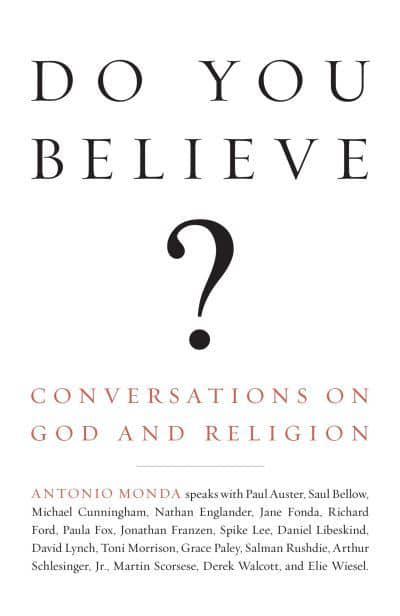
Not all uniformity is bad. This collection of interviews features a standard set of questions which different artists and writers answer. The variety is not in the form but in the responses. I will never forget Jane Fonda saying, “I have experienced the grandeur of Christianity and am surprised at the ignorance about it. Jesus was the first feminist.”

Another notable moment came when writer Paula Fox answered a query this way:

The author is adroitly using logic to deflect the question. What is popular isn’t always right, said Einstein. Her stranger in a strange land follow up is nice too.

3.

While we’re on the subject of religion, a few years ago I took a fascinating online class on the ancient world. Among the revelations was that there were many people who claimed to be half-human/half-god or demi-gods. It wasn’t an idea original to Jesus.

Most famous is Alexander the Great who claimed to be the son of Zeus. In one story a thunderbolt hit his mother; in another Philip sees a serpent penetrating Olympia on their wedding night.

In another story Alemena is impregnated by Jupiter when her husband is away at war. Jupiter morphs into an image of her spouse (an early shape shifter?) and they conceive twins. Hercules is a demigod. His brother Iphicles is mortal.

While information overload is a modern problem, it should not be confused with the importance of gaining fresh perspectives through reading.

Dark Days

Unlike the autobiography, which is a chronological narrative of a person’s life, the memoir offers a season of life. Some memoirists write mainly about their faith, relationship changes, or a year-long project they undertook.

It takes courage to write honestly. As a memoirist, you should have insight into yourself and others. There is usually the proverbial journey from innocence to experience. Some liberties can be taken with facts and timelines, but no memoir should be without emotional truth.

Here are three memoirs that plumb the darker side of identity.

1.

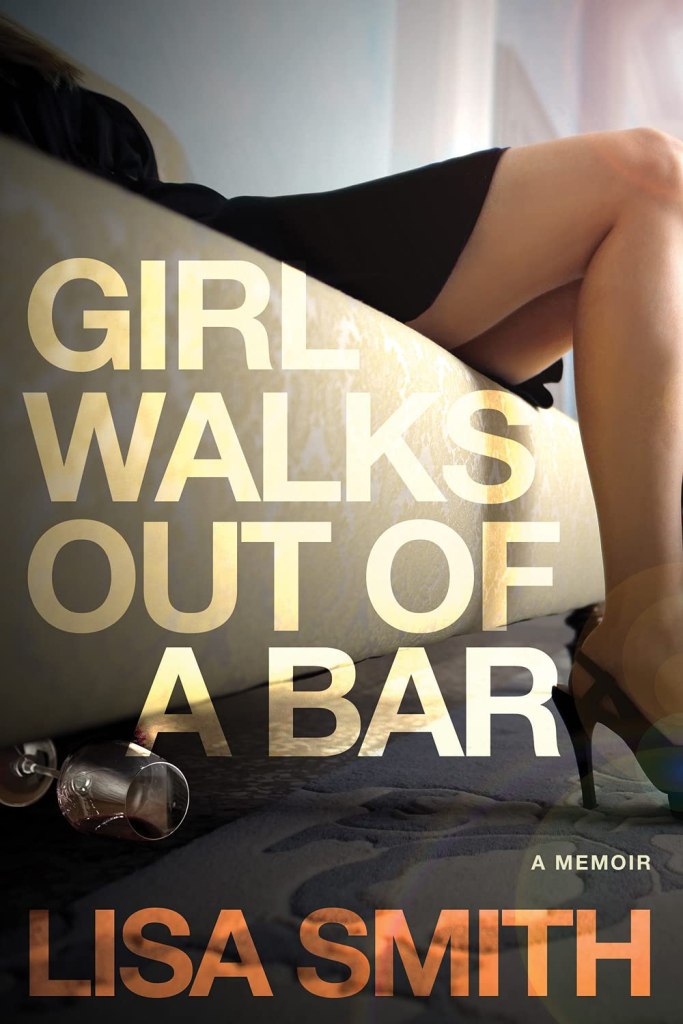
A harrowing story about addiction and recovery, this riveting tale shows just how functional dysfunction can be. The author was a workhorse attorney on the partner track who began her mornings in a mad dash to bounce back from the drunken night before. She ends up in rehab for booze and cocaine. The writing glamorizes neither drinking nor recovery, but effectively puts you there.

2.

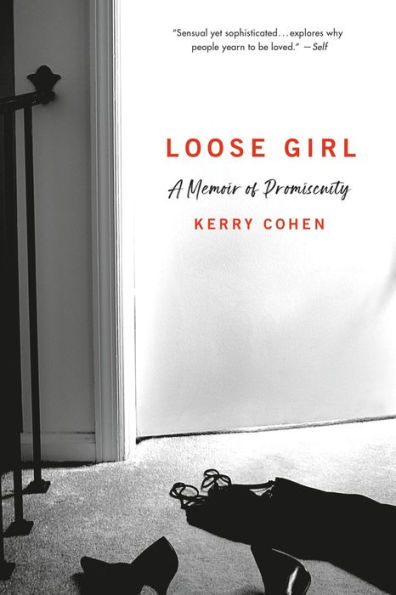
Empty without male attention, the author spent years engaging in casual sex in some emotionally dangerous places. Physically dangerous too: the author frequented the same Manhattan hangout as “Preppie Killer” Robert Chambers. The style is literate and highly readable. Therapy and a change in relationship status eventually see her through.

3.

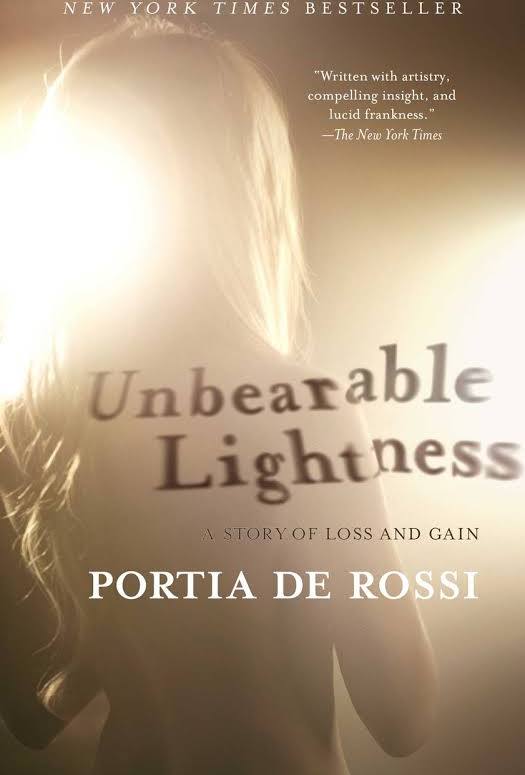
An Aussie actress famous for a role on cult fave Arrested Development, DeRossi is probably best known for surprising the world when she revealed a relationship with Ellen DeGeneres. Their posh wedding was splashed across headlines.

She also struggled for years with anorexia and bulimia. This memoir is frank and graphic in its depiction of body image issues and controlled (and uncontrolled) eating. It offers an intersection of these issues with the lesbian identity, possibly the first book to do that. The ending is hopeful and, one hopes, earned.

Single in the Aughts

Publishing reflects life. If something is topical, relatable, and trending, you will quickly see book projects that touch on it in some ways. Contrary to the idea that copycat projects flounder, there are often multiple competing titles within a subgenre.

A few years back, before anyone had heard of catfishing, there were several books about modern dating. I often thought of them as the Carrie Bradshaw books, as they seemed to be inspired by the frothy appeal of Sex and the City. They varied from light to daring to logical.

Here are three I enjoyed.

1.

A charming Brit named Bridget looking for love in the big city? Not hard to see how a pitch like this caught attention in the early aughts. The author moved to New York to pursue her dream of being a tabloid journalist. After working the crime beat, she was promoted to write a column about her dating misadventures. Soon readers were hooked on their daily fix.

It’s impossible not to get drawn into a story like this. It was a bit long, but thoroughly enjoyable.

2.

Another winning concept: the author claims to have “gamed” the dating app algorithms to meet her husband. (Spoiler alert: his proposal near the pink rocks of Petra is a touching coda.) I loved this book. It is optimistic, funny, and relatable to anyone who has ever tried online dating. That said, it is undeniably geeky (her point system was unnecessary) and some of her gendered ideas sound like they would be comfortable in The Rules.

3.

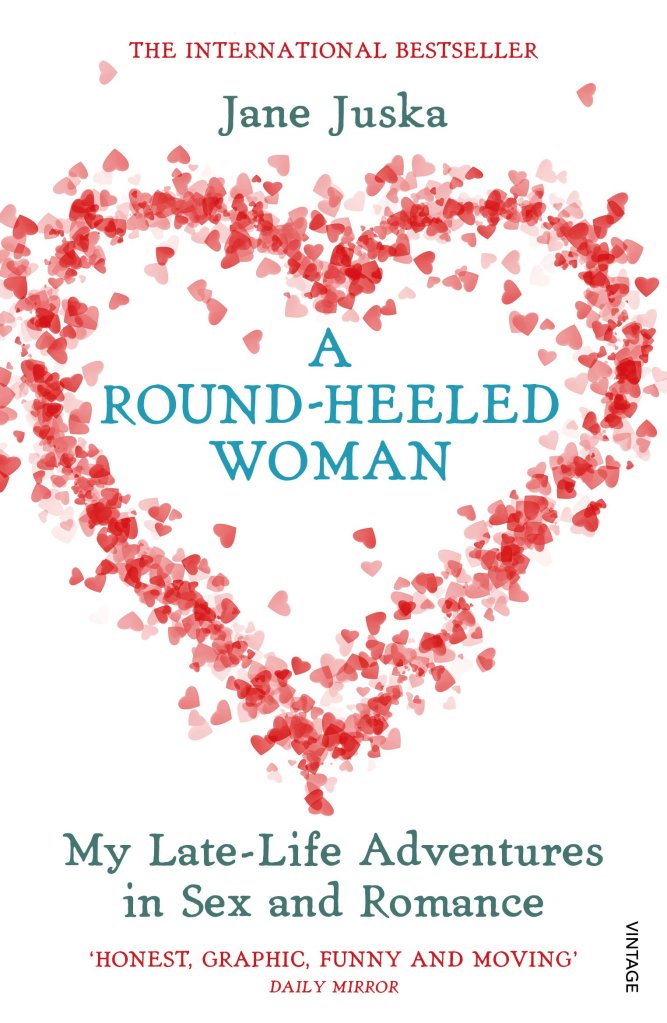
These authors know how to pitch. This one has an intriguing premise: Jane Juska placed a personal ad saying, “Before I turn 67 next March, I would like to have a lot of sex with a man I like.” Not surprisingly, she got replies.

This memoir is a well-written, entertaining story of about her ribald year. The author is irritating at times, but she is fearless.

Suspense Sampler

PD James has said that murder mysteries hit a popularity peak during WW2, when uncertainty was at an apex. On its surface this seems peculiar. Why would people respond to dire world events with stories of unnatural death? She explains the paradox this way: crime story conclusions restore a sense of order in turbulent times. No matter how dire the first act, everything will be resolved by the end. In this, readers feel a sense that justice is inevitable.
The suspense genre is a bit different. I see it as the glamorous first cousin of the cozy mystery. In contrast to the classic drawing room confrontation in a mystery, in which everything is spelled out, you’re more likely to get an ambiguous ending in suspense, or see a victim return from the dead, or witness the protagonist double crossed. Justice is served less overtly in suspense. In that sense, it’s a little more unsettling.

As a popular genre, there is a pretty wide spectrum of talent. Here are three suspense stories and what I thought of them.

1.

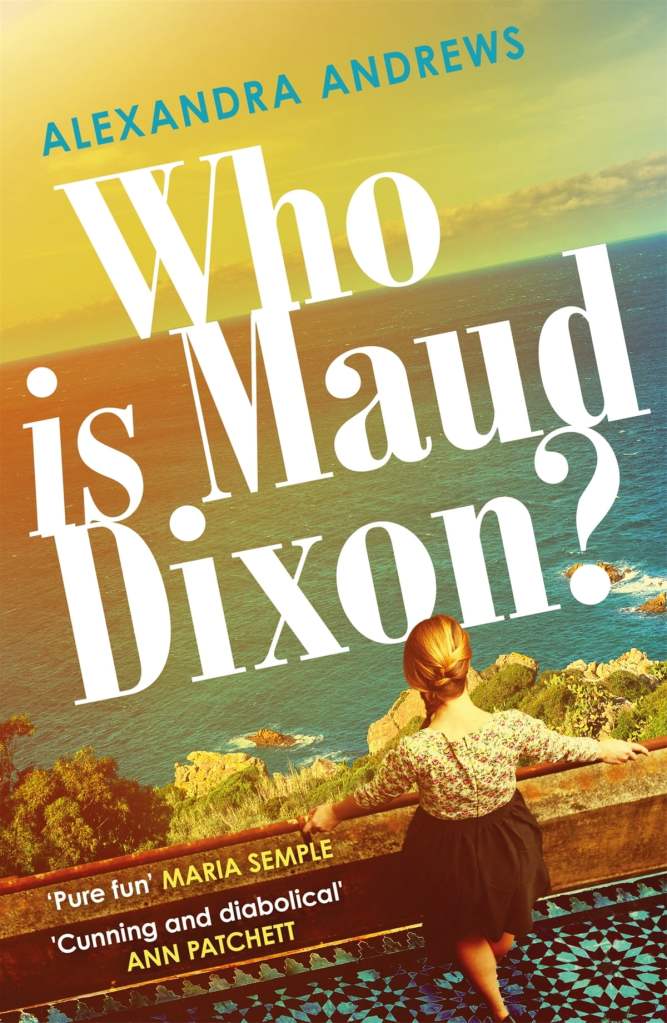
Florence Darrow is a young editorial assistant at a New York publishing house. After a regrettable moment, she loses her job and has to quickly secure rent money. She is hired by an enigmatic best-selling writer whose identity is not public. Florence’s own writing ambitions are tempted when the author takes her to Morocco and dies in an accident. Could Florence complete the woman’s next book and publish it under her pseudonym?

I loved the first two acts of this story. It’s an intriguing premise, Florence’s artistic frustrations are relatable, and I loved the armchair travel to North Africa. Unfortunately the twists towards the end are standard and the ending doesn’t entirely satisfy.

2.

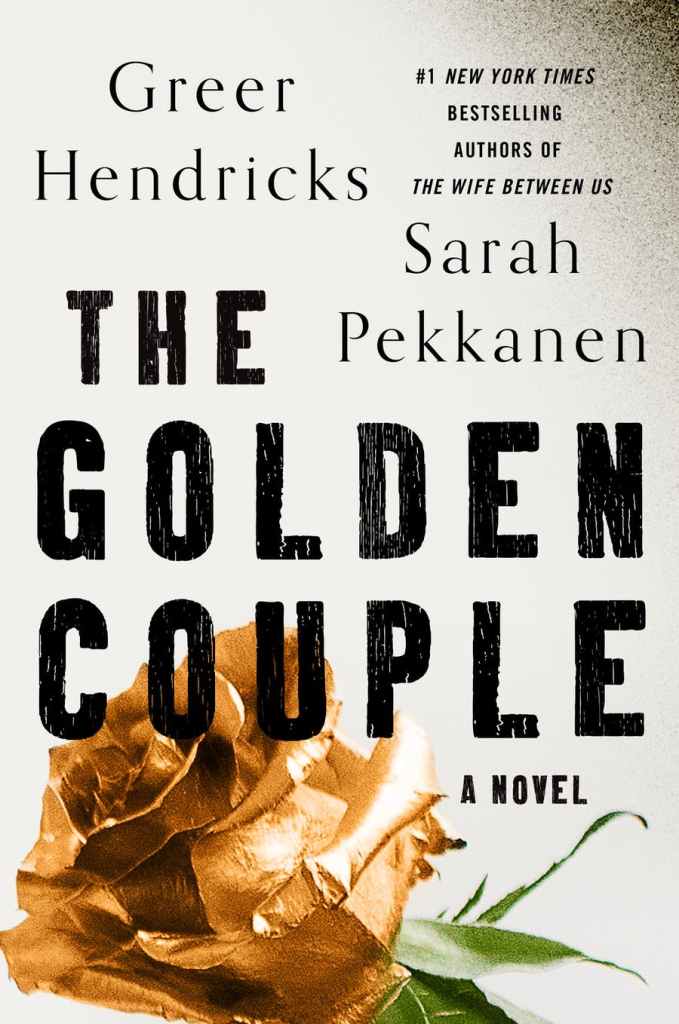
Marissa and Matthew are a glamorous DC couple: he is a lawyer, she owns a high-end Dupont Circle boutique. After she is unfaithful, they agree to see a therapist whose license was revoked due to her controversial methods. Things go awry when a secret is revealed.

Like Harlan Coben, the authors write twisty suspense with characterization that could use some work. (To be fair, characterization is a late problem in the Coben genre.) I enjoy their books in the moment but often struggle to tell them apart. This was my least favorite of the ones I’ve read. I wasn’t invested in the story. The pacing was off as well.

3.

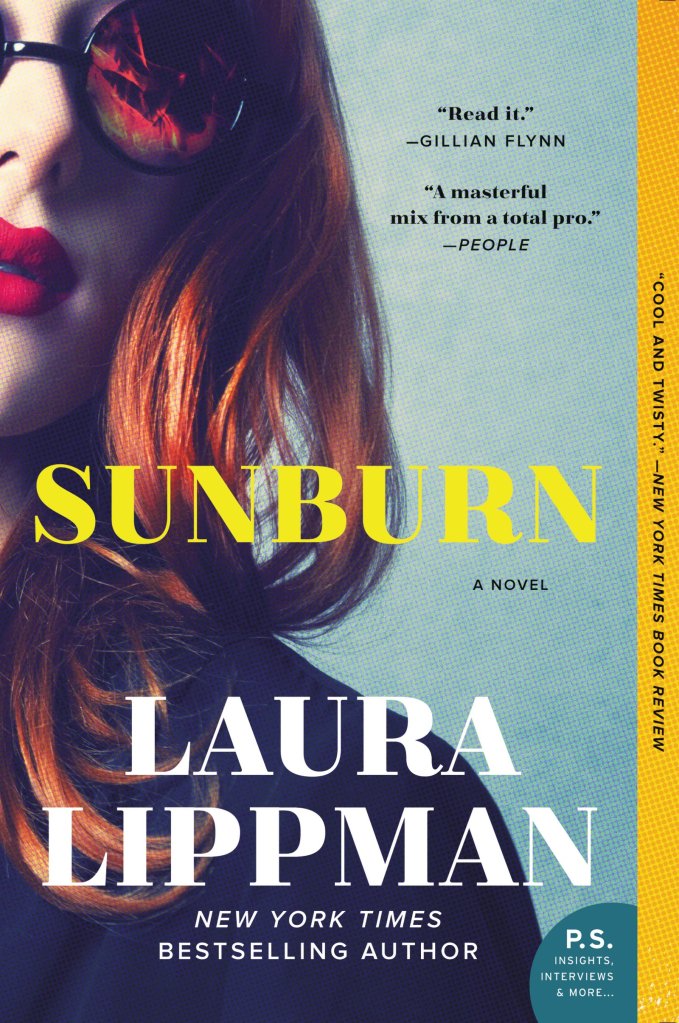
On the other end of the characterization scale is Laura Lippman. She is a much better writer than I expect from this genre, including nuanced throwaway characters. I love this detail from a lesbian PI: “I wear pants and long-sleeved shirts even when it’s ninety degrees out. Because the business world set (AC) temperatures for people wearing suits. The women come in here bare-legged with sleeveless tops and are freezing.”

This is the story of Adam and Polly, who meet working in bar near the Maryland coast. As their relationship develops, their pasts are revealed. It’s an intriguing slow burn; maybe a little too slow. At times I would have sacrificed the insights for some adrenaline. The twists surprise, though.

Lightbulb Reading

One of the greatest pleasures of reading is also the most elusive. Every once in a while, you find between the pages something that pings an internal knowing, a feeling that you recognize but can’t name. I don’t know how anyone does this, but it’s part of the magic artists possess.

If a writer can sustain this throughout a narrative, you are reading a great book. More often, though, it happens occasionally, if at all. I’ve read plenty of books that have nothing new to say. Others have irredescent flashes.

Here are three books that briefly wowed me.

1.

The author became briefly famous last year when this book was banned from libraries. Not without reason, as it contains graphic scenes of child molestation. It would be a shame to miss it, though, because the author knows things.

I was impressed early on when he said of racism, “The impact matters more than the intent.” Then he hit me with this quote from Abraham Lincoln: “I am not, nor have I ever been, in favor of bringing about in any way the social and political equality of the white and Black races.” Talk about living history!

For putting both the past and the present in perspective, I rate this pretty highly.

2.

I have praised this memoir recently as one of the best I have read in a while. The author was raised by incompetent trust-fund Bohemian parents in the East Village. The gritty street life contrasts with depravation in the home.

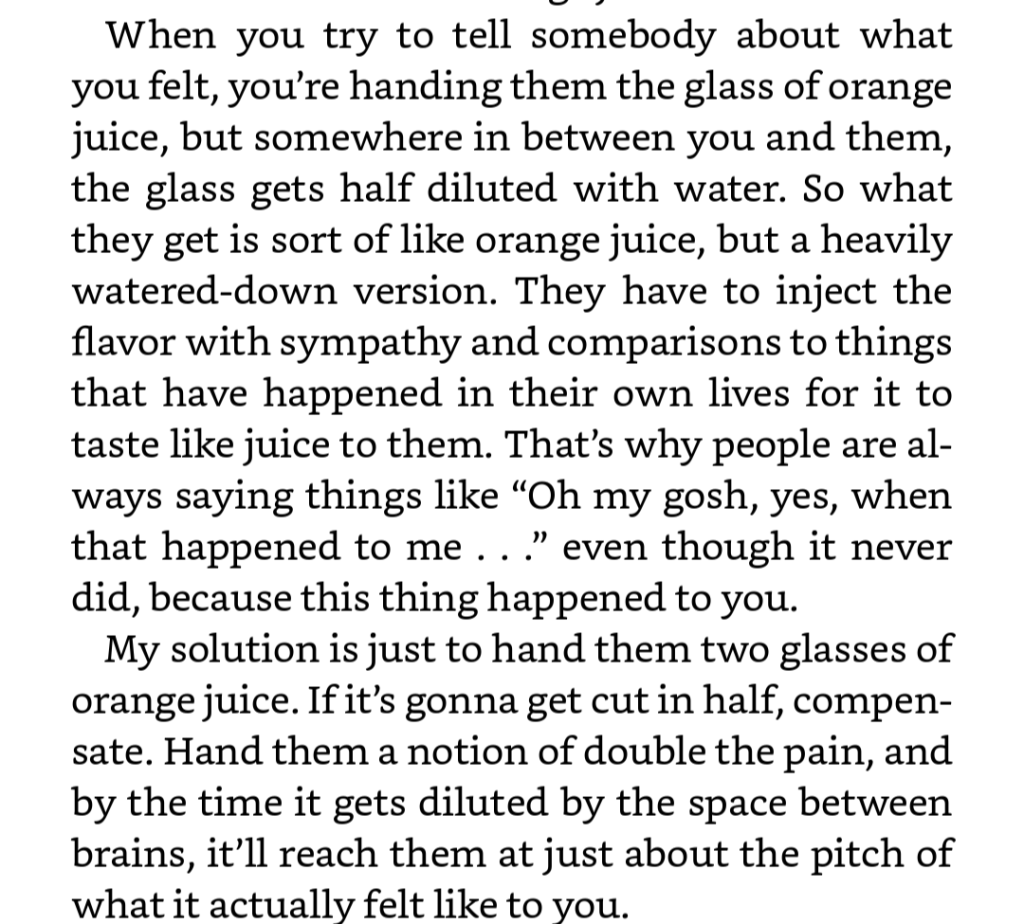
Trying to describe neglect to others is challenging. I love this description of the embellishments he tells to well-meaning people to help them understand:

This book is a remarkable story of the pernicious effect of abuse on a child. It made me think about the social cost in new ways.

3.

Some books are a pure pleasure to read. This story of a woman caring for a mentor’s dog is full of lines that make you sit up and take notice.

Describing romantic love, she writes, “It is two solitudes that protect and border and greet each other.” Quoting Rilke, she says, “Do not search for answers but rather love the question. Do not run away from sadness or depression for those might be the very conditions necessary for your work.”

I wish I could live inside a mind that thinks like this. The chance to briefly visit one is the reason I read.

Something New

With so many books out there, it can be challenging to identify truly original ideas in fiction. What may seem fresh to one person might be a labored repeat to someone else. Before I had read extensively in the suspense genre, I was pretty easily impressed. As a more seasoned reader now, I have grown weary of double crosses, reappearances by the presumed dead, and unreliable journal entries. The same is true when you broaden the discussion to other genres. Another coming-of-age story about a fateful summer? I’ll pass. Another enemies-to-lovers rom-com? I’m good.

Discovering new plot points is one of the pleasures of reading. Whether original or just original to me, here are three I enjoyed.

1.

In this beautifully written short novel, Frannie is a writing teacher in Manhattan who is researching a book on street slang. In the basement of a bar, she sees a playing card tattoo on the hand of a man engaging in a sex act with a woman with blue hair. Shortly thereafter, a young woman is murdered who resembles the woman Frannie saw.

What develops from there is a peculiar story of suspicion and desire. I would argue that the whole thing is original, but what I saw for the first time is a first-person narrator dying in the last line. It is jarring and somehow apt.

2.

A psychological thriller set in a Minnesota river town, college professor Linda Hammond is horrified when her daughter is kidnapped by a man who lives in a boarding house. After the girl is rescued, she is still in danger after Linda pursues the available legal options but is frustrated by the process.

Linda goes to the boarding house and breaks into the man’s unit. She then pulls out a gun and kills him. Even having read a lot in this genre, I had never seen that kind of vigilante move before. After the surprise, I expected the inevitable outcome of such an act. Instead there is another twist that is more satisfying.

3.

Gabriel Noone hosts a late night radio show, telling stories to an anonymous audience. He is going through the loss of his longtime companion, Jess, who was expected to die but survived with a desire to move on.

When a teenage boy calls in, Gabriel develops a relationship with him and his adoptive mother, Donna. Pete is terminally ill. Their mutual loneliness helps Gabriel and Pete develop a bond. Soon Gabriel is wrapped up in their connection, thinking of the boy as his own.

This was the first time I saw catfishing featured in a novel. As doubts about Pete’s condition rise, the tension increases until the final, shattering reveal. I loved it.

Troubled Times

We are living in undeniably turbulent times. We follow the news at our own peril: stories of mass murder, political assassination, and illegal war fill our social media feeds on a regular basis. What can one do, other than absorb the blows and be thankful for comparative good fortune?

Since my own faith is tenuous, traditional religion offers me almost nothing in times like these. It does not help me to think of spiritual solutions, partly because I see so few examples of them working in my own life. What does sometimes help, though, is to read about people who have endured hardship.

Here are three books about people who have made it through the unimaginable with inspiring grace.

1.

In this and an equally good follow-up memoir, the author recounts the sudden loss of her husband, who leaves their apartment one night to walk their dog and is hit by a car. She never really sees him again. It’s complicated: his death is not instant but he also is never the same again.

Like Joan Didion’s excellent The Year of Magical Thinking, this is a story of a marriage and its demise through forces outside a woman’s control. It’s as much about living as it is about dying.

2.

In her previous work, the author recounts her failures as a teenage mother. Her Catholic faith ultimately absolves her of the guilt. There is a moving scene when a performance of “Ave Maria” acts as a balm and a revelation to her son’s cross to bear.

In this later book, she has moved to Mexico. One night a man breaks into her property and sexually assaults her. More so even than in her previous work, the author’s faith is surprising and sustaining.

3.

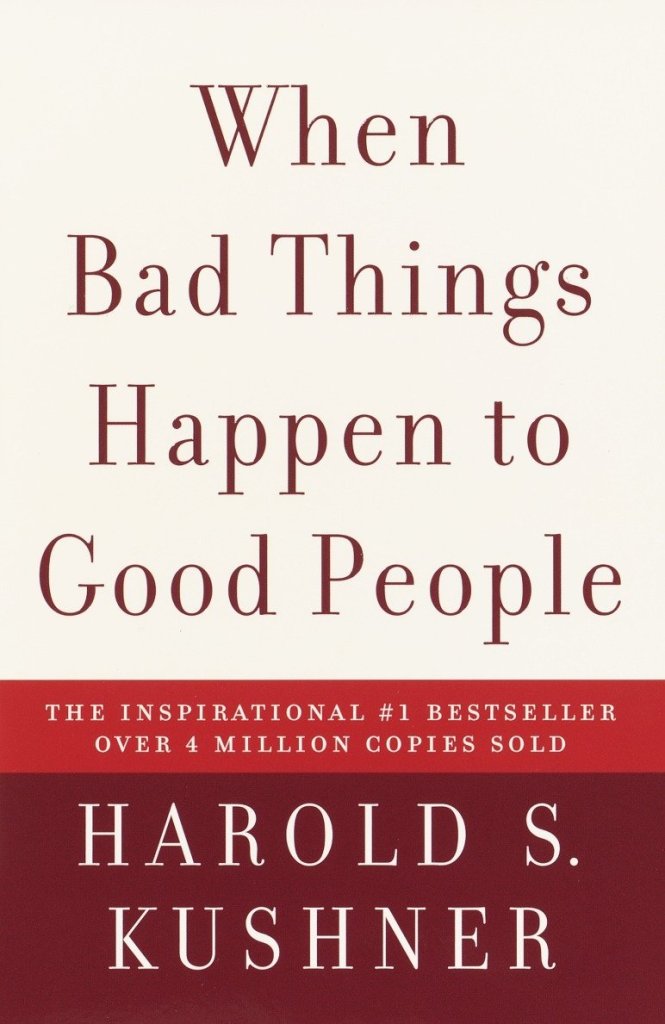
After spending years as a rabbi, Harold Kushner faced a crisis of faith when his son was born with progeria, a rapid aging disease in which a child rarely lives past age ten. Plunged into grief, he found that he could no longer rely on his faith tradition. He had been schooled to believe that good people were protected by God. It was impossible for him to understand how God could harm a child. As a faith leader, he felt like a hypocrite for guiding his community in a theology he no longer believed.

Kushner wrote this best-seller after he formed a new theology. As a result of his searching, he decided that an all-powerful God couldn’t also be a loving God. A loving God could therefore only have limited power; people were given agency greater than what he had previously believed. This changed the way he saw both God and himself. He was able to return to his vocation with a new understanding.

New York Stories

One of the pleasures of reading is armchair travel. Sometimes the location is new and unexplored; other times it is familiar. New York, for me, is a bit of both. After living there briefly years ago, it’s that rare city that is simultaneously intimate and foreign.

Fortunately, there are no shortage of ways to return through books. No year of reading goes by without a few New York stories. Here are three mysteries that took me back.

1.

One of my favorite discoveries, this noir introduces Chico Santana, a private investigator who is hired by his foster brother to locate his missing cousin, a Juilliard violin student. After hooking up with a woman who offers him money NOT to locate the girl, things get complicated.

It all develops into an engaging and gripping plot featuring a family secret, a thinly veiled story by a Columbia student, and a surveillance video from a restaurant called The Chinatown Angel. I enjoyed every minute of it.

There is a disappointing second novel which features another of Chico’s foster brothers. I think this was originally planned as a series featuring Chico helping boys from the reform school he attended. It seems to have stalled there.

2.

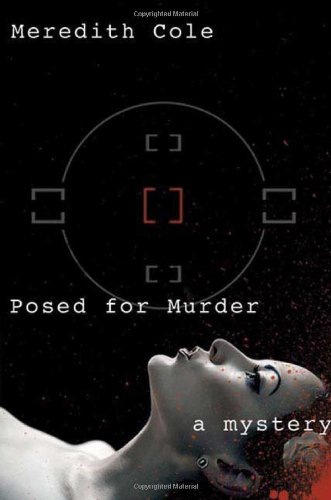
Set in colorful Williamsburg, this is the first in a series featuring Lydia McKenzie, a photographer and amateur sleuth. After an art show, a murder occurs that is staged to look like one of Lydia’s photographs. She and a pal are soon on the case, with reluctant help from a local detective.

There was a lot that I enjoyed in this. The artist’s world was interesting, there are some great hipster details (like a character named Phoenix with Egyptian tattoos), and there are some funny lines. All in all, an enjoyable jaunt.

3.

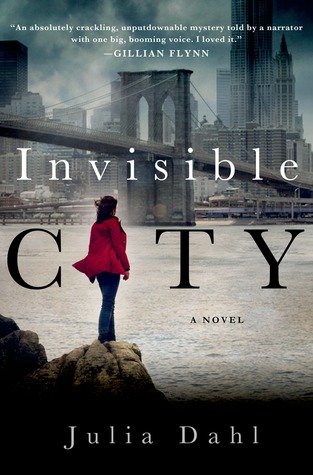
This has one of the best premises I have found in this category. Rebekah Roberts was raised by her father after her mother returned to a Hassidic community in Brooklyn. In the present, Rebekah is a cub reporter dispatched to a murder there. The crime and her absent mother inevitably cross.

While I enjoyed the book, I think the third in the series – about a wrongly accused Crown Heights resident and the history of that community – is the best overall of the series.

Breadth of Life

Many great books touch indirectly on abortion. A masterpiece like Random Family depicts the gritty reality of urban poverty. The main character, Jessica, has three children by the time she’s nineteen, often leaving childcare in the hands of her mother or her queer friend Milagros.

Implicit in this story is the burden that motherhood casts. Jessica wants a way out of her life but being a mother is a considerable obstacle. Her children’s needs are not being met. Where might she be without them?

There are others that deal with the issue more directly. It may be a fluke of my reading habits, but I have yet to read a truly great work that has abortion as a central focus. Instead here are three middling efforts and my thoughts on them.

1.

This story depicts one day in the life of an abortion clinic. A zealot has taken a group of people hostage: a doctor who is a Christian, a caring nurse, and the teenage daughter of the police negotiator who is barricaded outside. The various lives at risk intersect as we slowly understand the terrorist’s motives.

The plot is well-crafted and the pace gripping. The characterization is solid. Unfortunately, though, the author chooses a nonlinear structure that gets in the way. Nothing is gained by telling the story backwards. I ended the book wishing I could could reassemble the chapters.

2.

“We met outside an abortion clinic. The girl was standing up, about to walk inside. I was in front of her, lying down. I had gone there with some friends from church. The Conscience Squad, we called ourselves.”

This is a love story of sorts. Weaver Walquist is a lost soul who is active in a right-wing abortion protest group. He meets Kim, a poor college student with few options, and sees it as his duty to talk her out of terminating her pregnancy.

As it turns out, Weaver is the one with some growing up to do. His vulnerability to extremism clashes with his feelings for Kim. As he moves towards her, he begins to understand the idea of privacy.

I liked this novel. It is well written with vivid characters. It’s ultimately a minor story, though, because Weaver is so behind the curve. He is a child who grows up.

3.

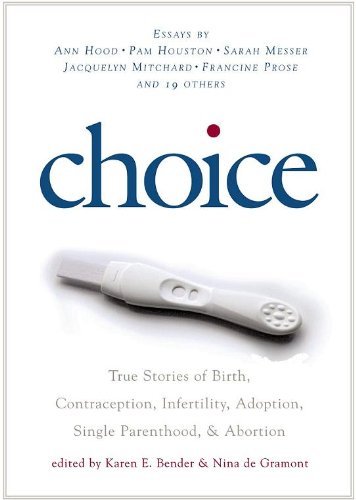
The many faces of a single issue are laid bare in this collection of short essays. Jacquelyn Mitchard’s experiences with a gestational carrier kick things off before the stories settle into more familiar terrain. As is often the case with single subject essays, different voices have a different impact. While I appreciated the scale, it also got repetitive by the end.