A Little Life, pt. 1

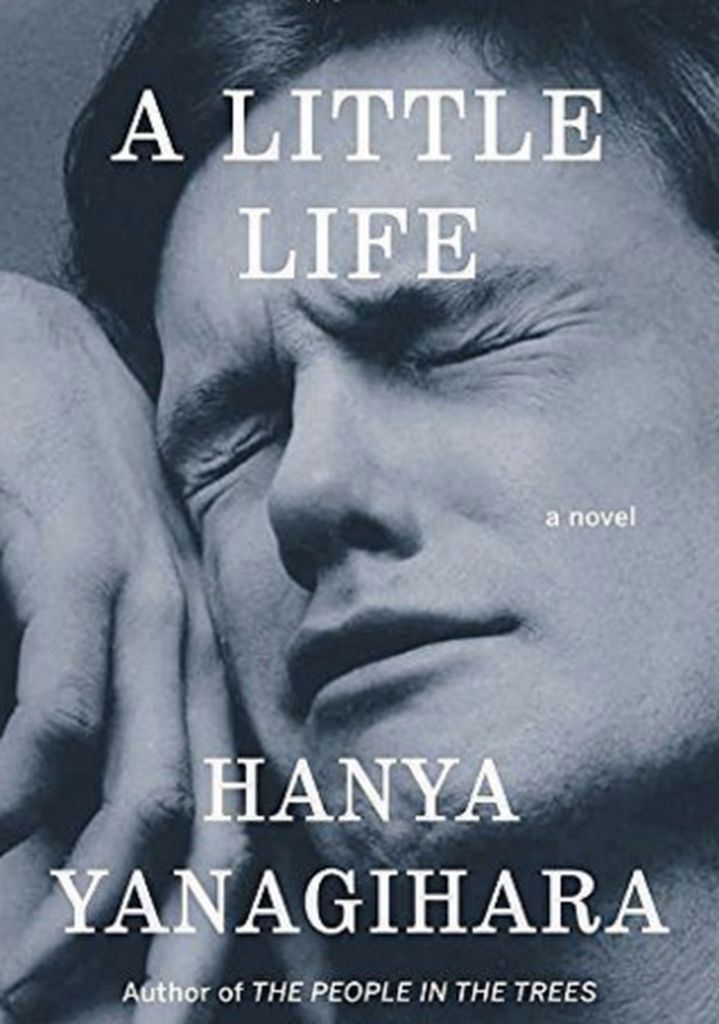
“We don’t get the family we deserve,” a character says early in A Little Life, Hanya Yanagihara’s hefty, tragic novel. He is being self-effacing: he has had a better family than most, but is trying to show empathy to his friend.

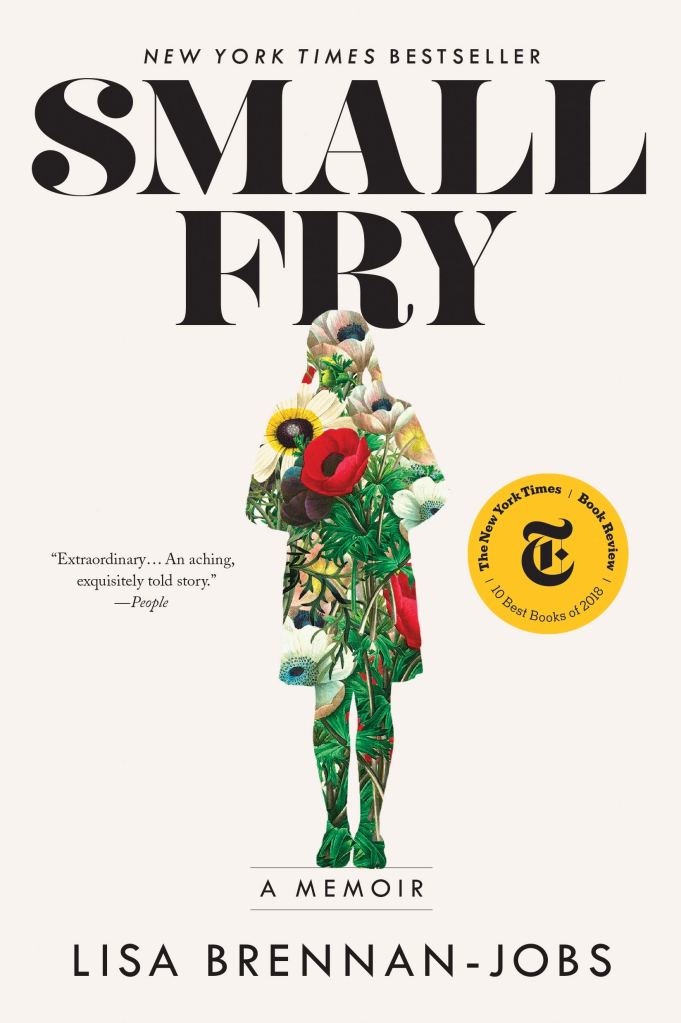
The comment, though, is a controlling idea of the sad story. Jude, named after the saint of lost causes, is taken in by religious brothers after he is abandoned by his biological parents as a baby. They abuse him horrifically and the effect of that abuse is the emotional trajectory of the novel.

Jude does have a better life than many: at a Boston area college he bonds with Willem, an aspiring actor from Wyoming. Their connection is the heart of the story. JB is a Haitian American artist from New York, the city all three end up in after graduation. (Another college friend, Malcolm, is part of the story although he doesn’t get much attention from the author.)

Jude becomes a lawyer while Willem has success as an actor. (I loved the detail about the projects he did, titled things like The Kingdom of Frankincense) Jude is adopted by a kindly law professor, Harold, and his wife. Jude leads a mainly chaste life while Willem has a few girlfriends. After Jude finally meets someone, Caleb, he is horrifically abused by him.

Eventually (and this surprised me a bit) Willem convinces Jude that they should be together. It’s about as non romantic a decision as I’ve seen in a book, but there is also an unusual devotion between them.

Despite an adoptive family and an ideal partner, Jude is not able to enjoy his life. For years, he cuts himself. He attempts suicide. And he hates sex even with someone he loves.

In addition to strong characterization, the author is a skilled stylist. Look at all she does with a paragraph in which Willem is taking a walk in Saigon:

The book is not perfect: at 700 pages, it sprawls at times and has a lot of unnecessary characters. But the emotional truth of Jude is spot-on.

(Part Two is next week.)
Fearsome Five

I’ve written about my thrice list (authors I’ve read more than twice) and my premiere list (a handful of authors I’ve read ten times). There are a few authors who stand somewhere in the middle. Last time I wrote about my fondness for Ann Hood. Andrew Morton is just a bit behind her.

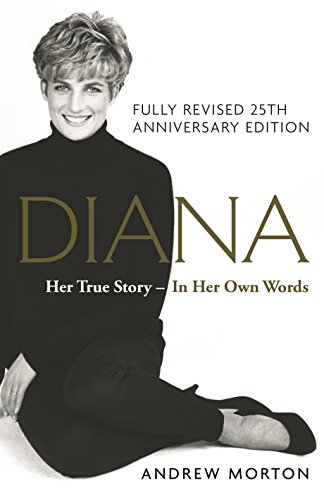
I first encountered Andrew Morton when he was making the publicity rounds for his biography of Princess Diana. It was later revealed that Diana was the book’s main source, giving him a lopsided credibility. It was as close as you could get to her in those days.

I’ve continued to read him sporadically since then. What is it that I like about his books? It’s simple: they’re cheap and appealing celebrity dish. Here are five of them and what I thought.

1.

Here is the book that started it all. Andrew had close access to the princess in the last days of her marriage to then Prince Charles. The story is familiar now: the arranged marriage, the infidelity, the strain of keeping up appearances. At the time, though, knowing she was guiding him made it riveting.

2.

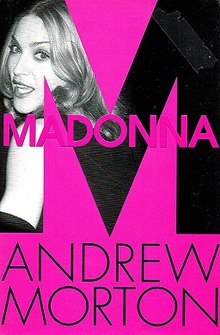
I’m not sure when Andrew wrote this book, but it was a pleasant vicarious experience when I discovered it years later. Madonna was a struggling dancer in New York City who hit the big time when MTV was launching and looking for a younger Deborah Harry to fill the content hours. You can feel the ’80s as the pages turn.

3.

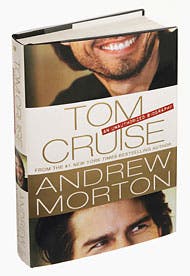
Andrew goes a little darker in this examination of Tom Cruise. Raised by women, Tom commuted from New Jersey in high school to audition for movies and theater. His half naked photos were submitted to gay skin magazines by a hapless agent, leading to years of false rumors about his sexuality. Later his three marriages and devotion to Scientology caused regrettable headlines. Mr. Cruise does not get kid glove treatment here.

4.

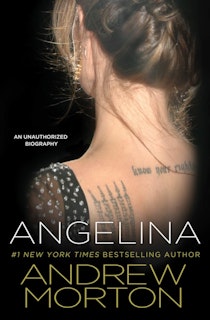
Morton moves from critical portrait to hit piece in this memoir released in 2011. Relying heavily on Jon Voight and former employees, Morton portrays Angelina as a neglected child who becomes a heroin addict, marries impulsively, and engages in peculiar behavior. After her teen crush Johnny Depp charms her on the Venetian set of The Tourist, a maid finds a bunch of used sex toys in Angie’s hotel room.

5.

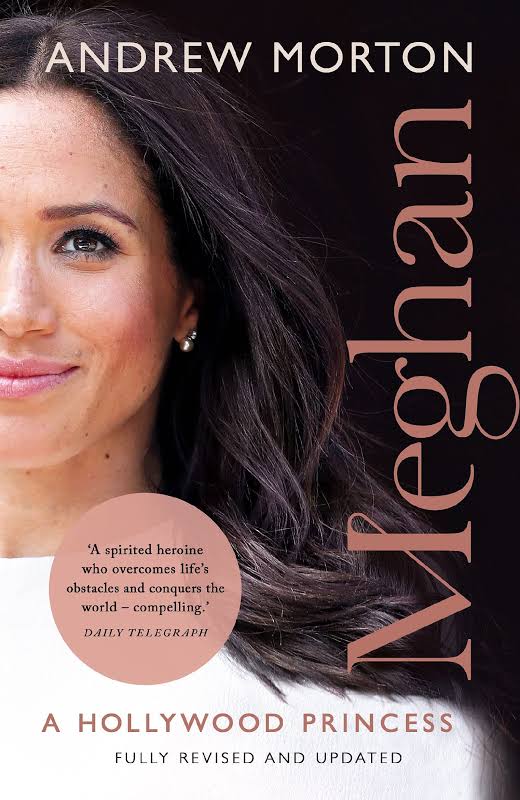
Moving back into royal territory, Morton examines the life of Diana’s daughter-in-law. A LA private school girl raised in two homes after her parents split, Meghan does a degree at Northwestern, finds success as an actress, and gets involved in high profile charity causes. This was all a lot fresher before she and Harry began their PR blitz in 2021.

The Magnificent Seven

The more I write about my one and done reading rule, the more the exceptions come to mind. I’ve already written about the quartet of Anne Tyler, Anne Lamott, Armistead Maupin, and Harlan Coben, all of whom have reached premiere status of ten books. It may soon be a quintet, though, with the addition of another Ann.

What do I love about Ann Hood? She’s someone who fascinates me. Like Anne Lamott, she started as a fiction writer but has become better known (at least to me) for themed memoirs. And, like Anne Lamott, I prefer her nonfiction to her novels.

She has had a turbulent life with both unusual, enviable good fortune and horrific, unimaginable tragedy. She writes about all of it in an informed, accessible way that pulls me in. I am not an easy crier, but I have been teary-eyed more than once. I’ve also felt wistful at times, wishing I had had her experiences.

Here are the books I’ve read in vague chronological order of her life.

1.

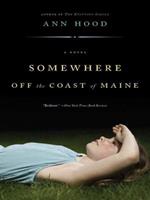
Start with the envy: Ann Hood’s childhood has a warm glow that is intoxicating. The daughter of Italian Americans, she grew up in a working class Rhode Island family with aunts and cousins nearby. She was a serious reader, devouring thick books by Louisa May Alcott and Herman Wauk. I loved every vicarious minute of this reading memoir.

2.

After doing a degree in English, Ann applied for a job as a TWA flight attendant and was accepted. This highly elite job (only 60 were hired from 2000 applicants) lead to a growth spurt in which she managed rowdy passengers, foreign menus, and chaotic scheduling. Rather than envying her this time, it was her first-class cabin that made me green: chateaubriand, specialty cocktails, and a sundae bar were a few of the treats they received while cruising high.

3.

At the end of her flight attendant days, Ann got a book deal for her fiction. A decent advance (20K in the 80s) meant she could survive in her Bleeker Street apartment after flight attendants went on strike. Her first novel was inspired by her brother and his college friends. I wasn’t crazy about it.

4.

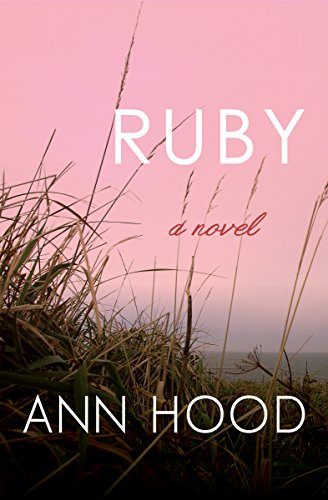
The opposite of the sophomore slump, this novel about a New York shopkeeper was intriguing and nicely written. I loved the Greenwich Village locale and emotional journey of the characters.

5.

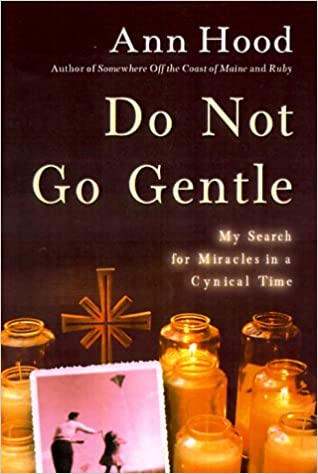
After having some success with her fiction, Ann got married and had two children, Sam and Grace. She and her family lived not far from Ann’s parents in Providence. Coming from an Italian immigrant family, Ann had some exposure to Catholic folk religion growing up. In this memoir she delves into it: the saints, Marian communities, Lourdes. I enjoyed reading about her search for miracles.

6.

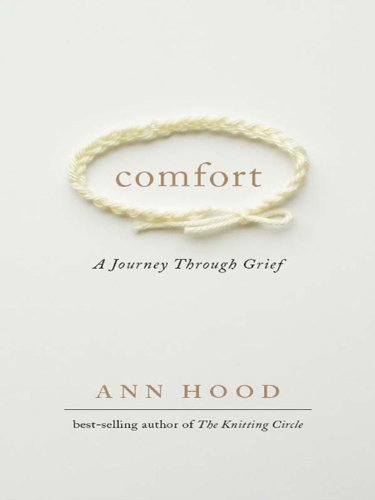
Ann experienced unthinkable tragedy when her five-year-old daughter, Grace, spiked a fever one night and died from a freakish strep strain. It is gut-wrenching to read about the day it happens and the aftermath. Her husband returns to his faith, but Ann hates God. They meet other bereaved parents, adopt a baby, Annabelle, from China, and accept that they will live with the loss of their forever-five daughter. A sublime work.

7.

After divorcing her kids’ father, Ann finds love again. This is a memoir about cooking, though: her Italian family favorites, comfort food, experiments in carbonara that end in success. There are recipes, too: I have made her salt and pepper fried chicken many times since reading this. (It’s delicious!) Bon Appetit!

Dreams of Life

If you read this blog, you know that there is a short list of authors I have read multiple times. With so many books and so little time, I like to fan out and cover as much ground as possible. Call it The Primo list. I’m usually done at one.

Armistead Maupin, Anne Tyler, and Anne Lamott lead the pack of exceptions with ten titles each. Harlan Coben, too. A smaller group called the thrice list includes writers like Taylor Jenkins Reid, Joan Didion, and Ann Patchett.

This week another notable lady joins their company. Call it an induction ceremony. Patti Smith is an author so poetic and idiosyncratic that I’ve now read three of her works. I may not stop there.

Here they are:

1.

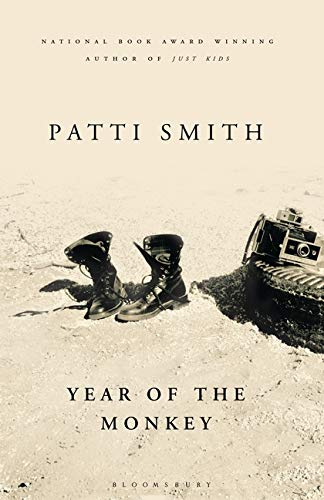
Set over the year 2016, this fictionalized memoir starts at a hotel called The Dream Inn in Santa Cruz. Patti beachcombs after a few shows at the Fillmore, collecting candy wrappers and chatting with locals. She hitches a ride to San Diego, ends up in LA, and spends time in Kentucky with her friend Sam Shepard. By the end of the year she’s in New York, drinking vodka in the morning while the city reels from an election shock.

Along the way she discusses art and 2666, rummages through trunks of costumes, and takes the subway to Rockaway. She is grieving the anticipated losses of Sam and another mentor.

It’s all gorgeous and dreamlike.

2.

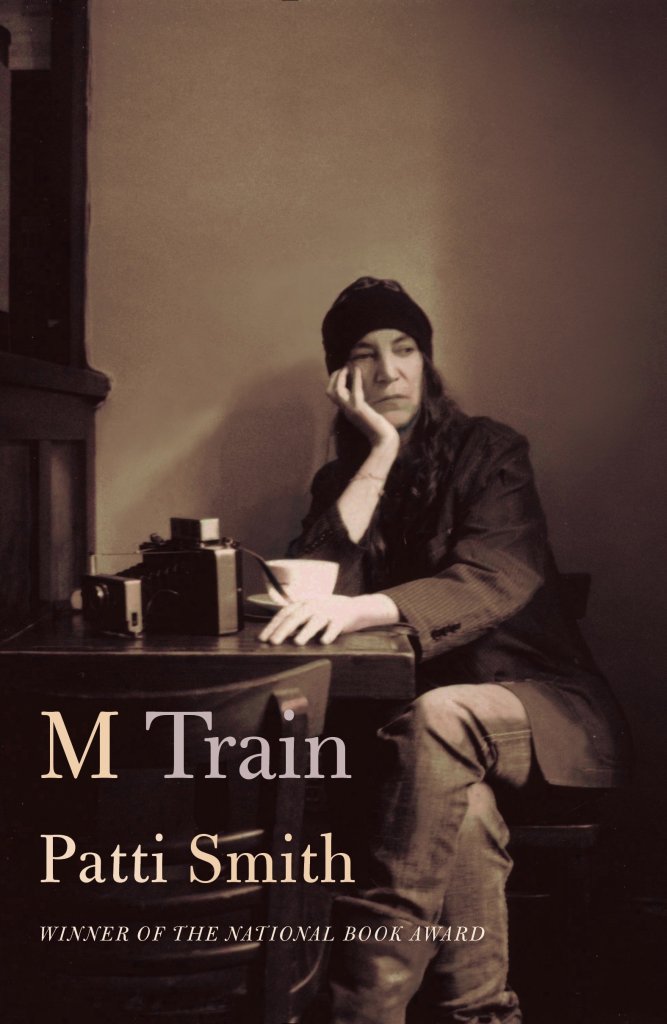
Another gorgeous dreamlike work, this memoir has the author writing in a Greenwich Village cafe, traveling in her mind through time and locations and into artists’ lives. She has a fondness for detective stories that adds a noir feel to her city explorations. The title refers to the subway that takes her to a getaway in Far Rockaway.

3.

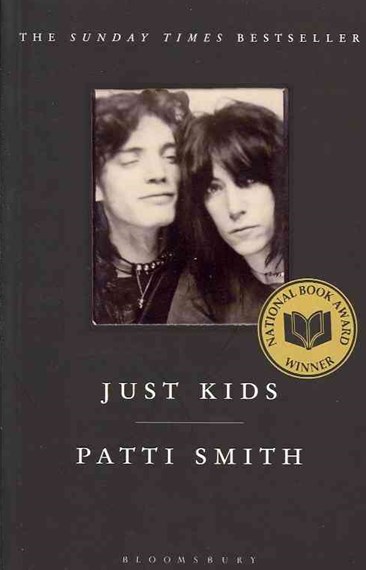
Probably her most famous work, this is a memoir about her friendship with photographer Robert Mapplethorpe. It has the same spare lyricism as her other works. Not to be missed.

They Say Bread Is Life

Food is a universal pleasure and necessity, so it should be no surprise that it has been at the center of plenty of books. While few works exclude the subject entirely — it would be a challenge not to include the daily bread — there are a few genres that focus on it centrally. Here are a few titles and what I thought of them.

Rachel is a food writer and expectant mother who discovers that her husband, Mark, is cheating on her. While her life is upending, the story weaves back and forth in time depicting their courtship and eventual estrangement. Periodically we get recipes, too: for bread pudding, potatoes, and a pie she smashes in her cheating husband’s face.

Another book about a food writer that was turned into a film starring Meryl Streep, this memoir is about Julie Powell’s year-long project to make every recipe in Julia Child’s Mastering the Art of French Cooking. Both the book and the movie inspired me to briefly try my hand in the kitchen.

Another book about a food writer’s love of her subject, Ruth Reichl is a restaurant reviewer who crafted a delicious memoir about her relationship with food, starting in her childhood. I could not put it down.

Harry Fun Facts

I decided to listen to Spare on audio. In addition to the dramatic A story, there was oodles of trivia. Here’s some of what I learned.

1. Harry is a “Friends” fanatic. He watched every episode in 2013 and decided he was a Chandler.

2. Harry loathes Rupert Murdoch.

3. Harry is not much of a reader. Meghan mentioned “Eat Pray Love” on their first date and he hadn’t heard of it.

4. While in LA, Harry stayed at Courtney Cox’s house and took magic mushrooms. He ended up in conversation with the “Genie in the Bottle” songwriter.

5. Harry played Halo while in boarding school with an American who had no idea his online friend was HRH.

6. Wallis Simpson is buried at Frogmore.

7. Harry has a sweet tooth. He also likes gin and tonics.

8. Harry used to fly his Apache helicopter over the Thames at night spotting famous landmarks.

9. Harry called the Queen Mother “Gam Gam.”

10. Harry was trekking at the North Pole shortly before William and Katherine’s wedding. He was frostbitten at the wedding.

11. Harry sings part of “Your Song” on the audio and does a decent American accent.

12. Before he met Meghan, Harry thought a couple should date a minimum of three years before getting married.

13. Harry’s family nickname is Harold.

14. William and Kate were huge “Suits” fans and were stunned when Harry told them he was dating an actress from the show.

15. Harry was not William’s best man. They let the press misrepresent the story to protect the privacy of William’s friend.

16. Meghan didn’t recognize Prince Andrew when she met him.

17 Harry calls his brother Willy and his father Pa.

18. Camilla turned Harry’s bedroom at Clarence House into a dressing room.

Reading Around The Map: Kansas

Armchair travel can take you far and wide. I have read books set in the jungles of the Congo, the mountains of Bhutan, and the languid islands of the South Pacific all without ever having left my apartment.

Not all armchair travel is exotic. There can be amazing stories set just about anywhere. All it takes is writing skill. Here are three books that have shown me the prairies of Kansas.

1.

A true crime classic, this harrowing nonfiction work tells the story of two men who drive around Kansas farm country looking for a family to kill. Capote sets the scene brilliantly: the grain elevators, herds of cattle, and tumbleweeds of Holcomb, seventy miles east of the Colorado border The crime is so random and callous that it catches you off-guard.

One detail that has always stuck with me: one of the killers travelled with a plastic bottle of root beer syrup so he wouldn’t miss his favorite beverage while on the road. The contrast between the mundane fixations and the depraved killings haunts.

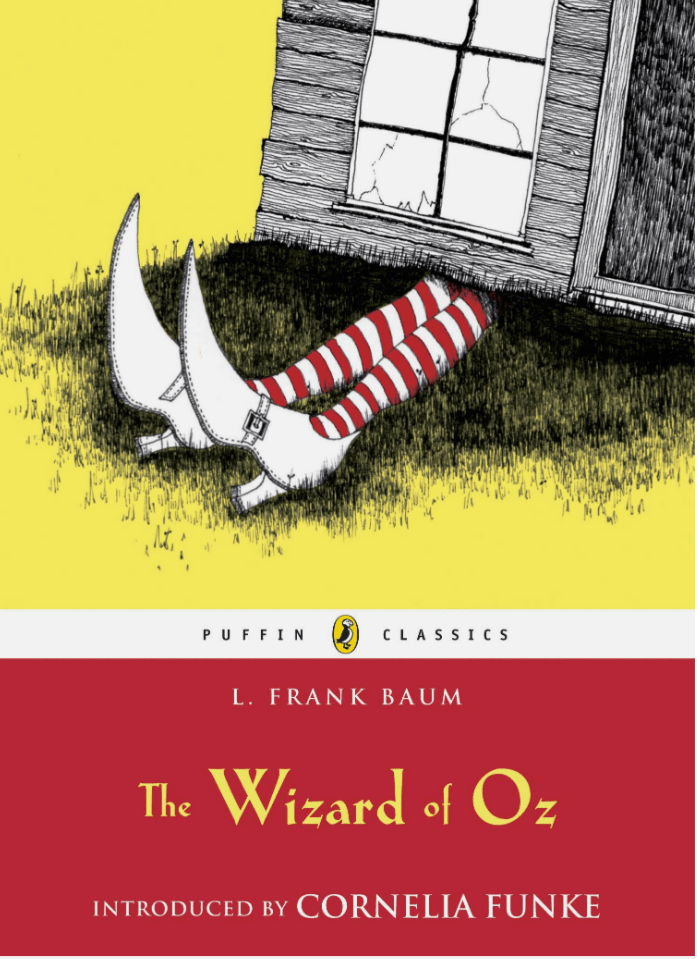
Somehow Kansas has produced two beloved classics on opposite ends of the moral spectrum. While In Cold Blood is the kind of book you lock away from kiddies, L. Frank Baum created a popular book series which inspired one of the most popular family-friendly films of all time.

Baum is a good writer, using a plainspoken style to depict the farm land touched by a twister. There is a grit to Dorothy’s life that is nicely contrasted with her visit to Oz. In addition to Technicolor, the film version drops a few extraneous characters and tightens up the narrative.

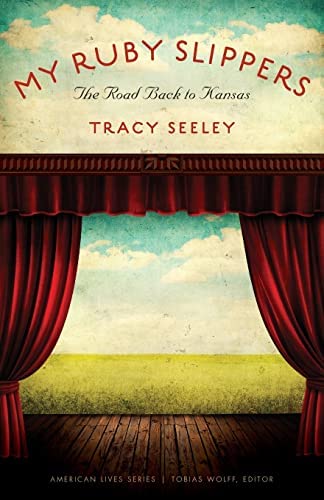
Inevitably, I suppose, a place with literary heft inspired a memoir about being a Kansan. The author teaches writing at San Francisco State but maintains an affection for her home state. It’s a charming book about what makes a place home.

Best Books of 2022

Every reading year is different. 2022 started out strong for me, with a streak of good books in the spring that made me love reading. Nothing lasts forever, though, and I found myself going through a summer dry spell. The distant memories of slogging through required reading revisited the present and slowed me down. It padded my pocketbook, too, as buying for pleasure lost its allure.

Happy to say, though, that I still could easily compile a top ten list. Here are ten books I recommend without reservation.

10.

8.

7.

6.

5.

4.

3.

2.

The best book of the year…

A Few More Questions

Again this week I’m going to answer a few questions as a lifelong reader and intermittent writer.

Which writers are egregiously overlooked or underrated?

The one that immediately comes to mind is RS Vliet. He wrote excellent literary fiction like Scorpio Rising and the book never found an audience. Some quality writing never finds a cheerleader. The marketplace seems oversaturated at times.

Do you have a favorite character from children’s literature?

I remember loving The Cricket In Times Square. Something about finding friends in squalid conditions spoke to me. I liked Addie in Gail Rock’s fiction as well. And Pippi Longstocking.

What’s your favorite bookstore in the world?

I was impressed by Daunt Books in London. They shelve books by region, so To Kill A Mockingbird will be next to A Christmas Memory and a photography book about Ole Miss.

What is a book you wish someone would write?

I wish everyone would write less. There are so many books already. I could probably do without a new book for the rest of my life.

If you could meet any writer, dead or alive, who would it be? What would you want to know?

Patti Smith is an amazing writer. I have a few questions.

A Question or Two

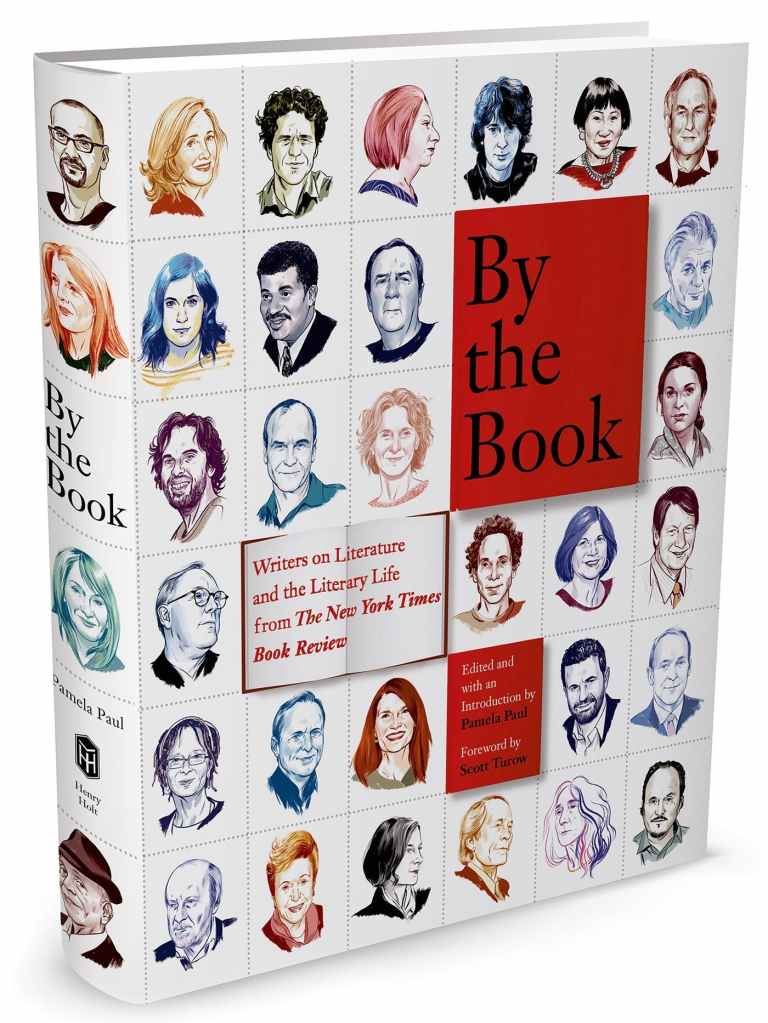
Every week or so, The New York Times runs a delightful interview called By The Book. From a boilerplate of questions, authors and other famous figures talk about how reading has changed their lives.

I’ve written about the book before, but I thought it would be fun to answer the questions myself. We’ll see how this goes.

What book is on your nightstand now?

Due to a design quirk of my prewar apartment building, I have never had a nightstand. Plus I read almost exclusively on my Kindle.

What is the last truly great book you read?

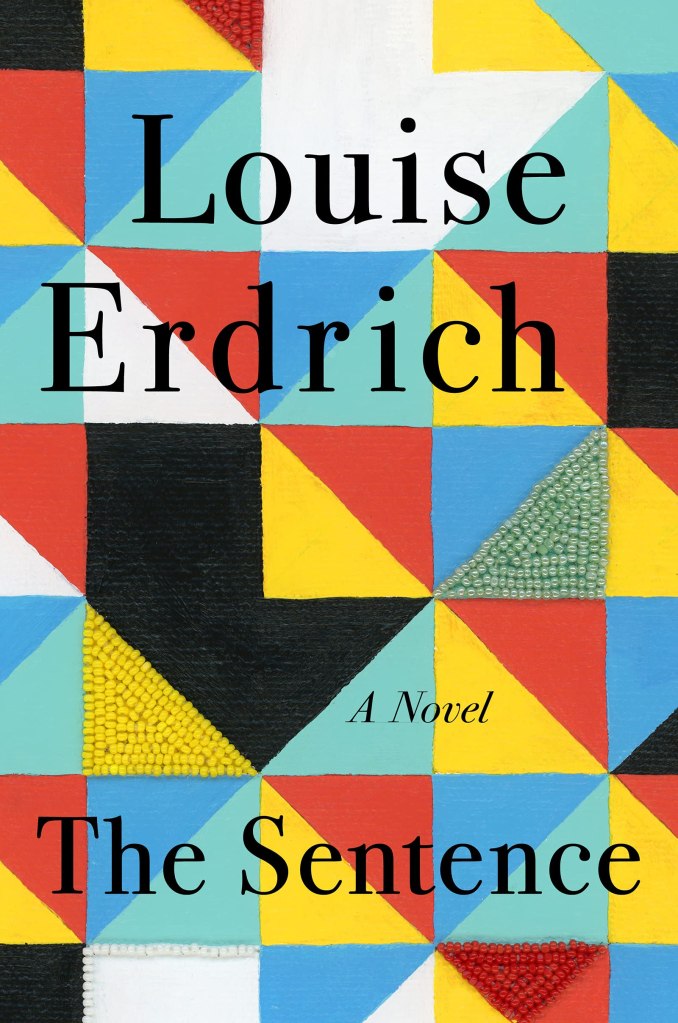
The Sentence by Louise Erdrich has a vivid protagonist and a riveting, gorgeously written story. Tookie is imprisoned after a bizarre crime, released, marries her arresting officer, and runs a haunted bookshop in Minneapolis during the COVID lockdowns. Best book of 2022.

What’s your favorite literary genre? Any guilty pleasures?

I love but have grown tired of the suspense genre. I love memoirs. I guess a guilty pleasure might be the occasional celebrity memoir. Ghostwritten and unreliable, they hardly count as books.

What was the last book that made you cry?

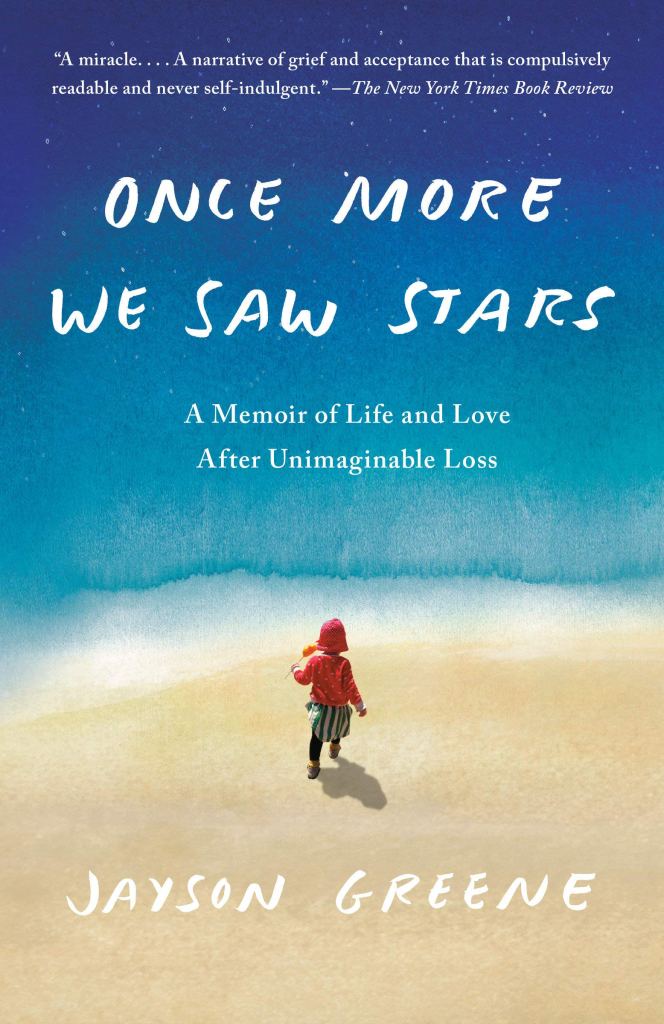
A memoir by the father of a toddler who died in a freak accident. It was the saddest thing.

What was the last book that made you laugh?

In The Guncle there were neighbors named Snap, Crackle, and Pop. I remember finding that plotline funny. I probably laughed.

What novels contain the best sex?

You got me.

What is the best book set in San Francisco? Minnesota?

Tales of the City is a great series set just a few blocks from where I live. It captures one moment in time. There will never be another San Francisco like that. For my home state, I’d vote again for Louise Erdrich.

More questions next week!