When I was in grad school, I arrived at an evening class to find my ordinarily approachable instructors in a different frame of mind. They sat, side by side, at the top of a circle of chairs that comprised the classroom. As the other students assembled and class began, they looked around at us with a palpable distain. One of them said to us, “Look to your left.” We did. The other said, “Look to your right.” We did. “Do you notice anything?”
We did. Even in Berkeley, CA, in 2006, the class was all white. This led to a conversation about race representation in the academy and a call to moral activism. What were we going to do to solve this problem?
That was fourteen years ago. I’m sorry to say I haven’t done much. I went with my nephews to a BLM March in 2017 partly because I could not erase the image of Philando Castille from my mind. I’m good about completing my reading lists so I always read a few new black voices a year. I have on occasion taught units on civil rights history.
But I have not done enough.
I don’t know what my Berkeley instructors would say to me now, but I thought of them while reading White Fragility. The author has the same drill sergeant approach that I experienced that night. She takes it a step further. She’s got a definite opinion on my inaction. All of this white apathy is not a coincidence. I am benefitting from structural racism.
I will admit to having a defensive response when I read this book. I am low income, I thought. No one cares what I have to say. It’s my boss’s fault, not mine. These are the “real” reasons I have not been able to do more.
But the author would not absolve me, nor any of us who think like this. She has made it her life’s work to snap white people out of their denial. In her job, she goes into corporate settings and challenges them on their policies. What she has found, time and again, is a standard white defensiveness to the facts she presents. When confronted with indispensable evidence, they talk about a lack of suitable candidates, or the lack of diversity in their community. In the worst instances, people break down in tears, as if their pain in the confrontation is a greater issue than the topic.
And all of this, she thinks, creates an uncomfortable burden on people of color. They have to seem forgiving or accommodating to sensitive white people. And it also obscures what the real issue is, which is that we have never effectively dismantled slavery.
If you are a book person, chances are you have opinions on covers. They are the billboard calling to you, enticing you to look again.
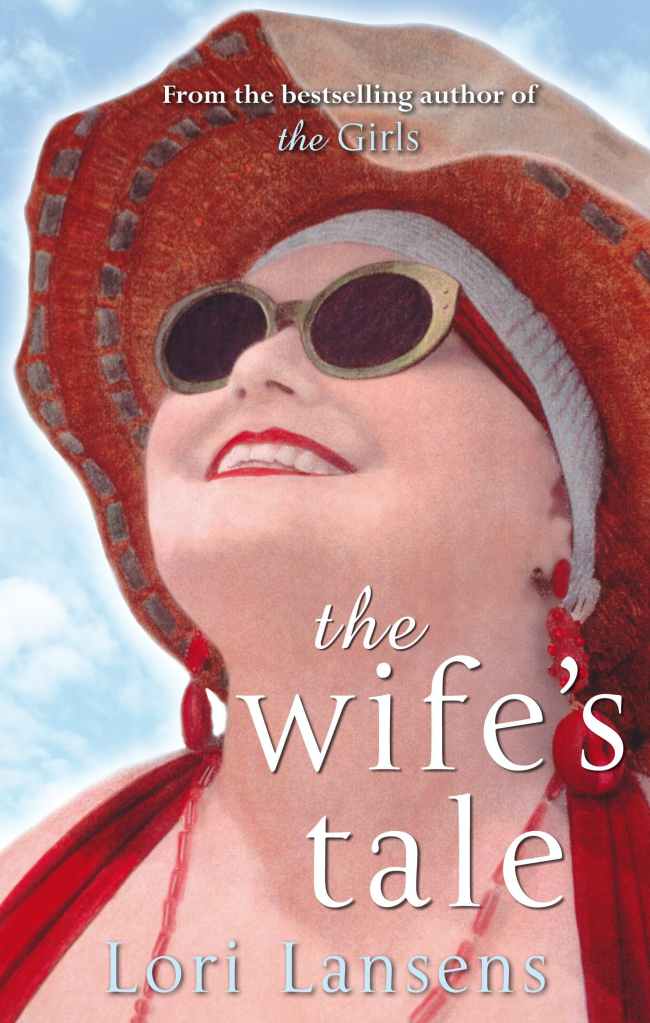
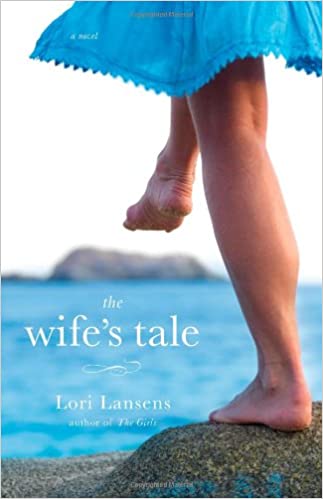
A single title can have multiple covers and with them convey different ideas. Look at two versions of Lori Lansens’ The Wife’s Tale:
First, can you guess which one was for US markets? (The other was for Australia.) And what are the different marketing ideas present? They could be books about two entirely different women. In the first you see a joyous zaftig protagonist. In the second you see a so-called normal-sized woman taking both a literal and metaphorical leap. The combined effect does spell out the plot: a plus-sized woman leaves her stale marriage and finds a new community. She doesn’t ever look like the woman in the second version, though.
Other books do a better job of capturing their core premise. Here are a few.
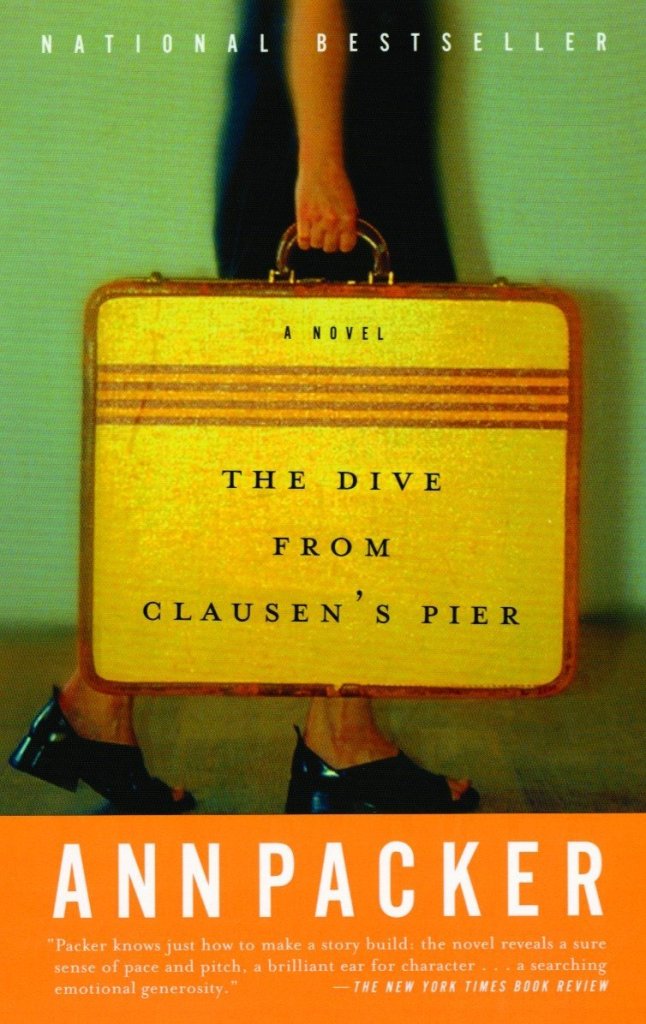
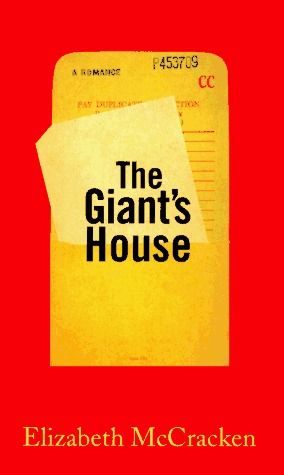
A cursory glance at the cover image and you are halfway to understanding what this book is selling. The title gives you the rest. Carrie Bell has decided to leave her fiance and their life in Madison. She dreams of designing clothes in New York City. Then, tragedy strikes. Her fiance takes the dive that lends itself to the title. What will Carrie do now? The cover tells you.
2.
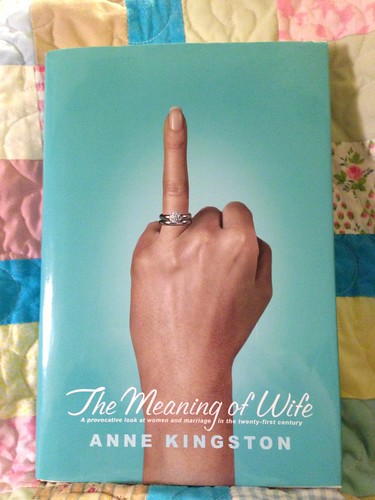
This may be my favorite cover of all time. From the Tiffany blue hue to the defiant wedding finger, you know what you are in for even before you see the title. The author deconstructs marriage through a feminist lens.
3.
This is another favorite of mine. I love the way it simply conveys both the protagonist’s job and the slightly old-fashioned tone of the story.
4.
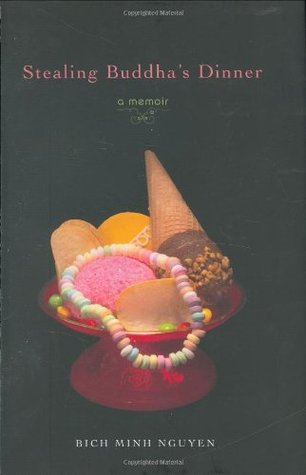
I like the way this cover uses two cultural images to convey its premise. The author is a Vietnamese immigrant settling into life in the Midwest. As she struggles with assimilation, American junk food appeals both for its colorful, sugary goodness and for the promise it offers of something both foreign and strangely comforting. It takes a while for the author to unpack the many ways Madison Avenue has offered her empty promises.
I think it is undeniable that many people buy books based on cover art. It’s not even something new. Charles Dickens once said, “There are books of which the fronts and backs are the best parts.” I think we all know what he’s talking about.
So what exactly is going on in the minds of book designers? I took a look at a sampling of a thousand books and here is what I discovered.
If the face is full frontal, most likely it’s a memoir.
Memoirs tend to feature the face of their authors front and center. I guess this makes sense as the point of the sale is to appeal to fans of the author. Memoirs are also meant to be candid and revealing so the approachable face invites the reader to sit down and get to know the subject.
(Curiously, another recent development is having women subjects rest their chin in the palm of their hand. I’ve seen this same pose on several other memoirs including Stormy Daniels’. Not a great image for the current times.)
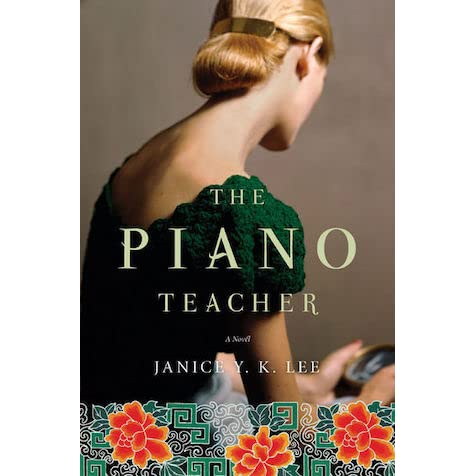
2. If the work is fiction, the subject is shrouded.
These are just four examples of dozens of fiction covers I saw with the face of the female obscured. While memoirs beckon the reader with warmth and familiarity, fiction hints at the mysterious nature of their protagonists. Are we going to get to know these women? The reader is being enticed to find out the answer.
So are these books being marketed accurately? As I’ve written before, I think you are more likely to encounter truth in fiction than memoir. Memoirists are hampered by bias, self-consciousness, and a curious double consciousness that happens when you write with an awareness of audience. How accurate will anyone be when they know their “characters” will be reading the book? Fiction writers, in theory, have greater freedom to disguise figures from their lives under a thin veil.
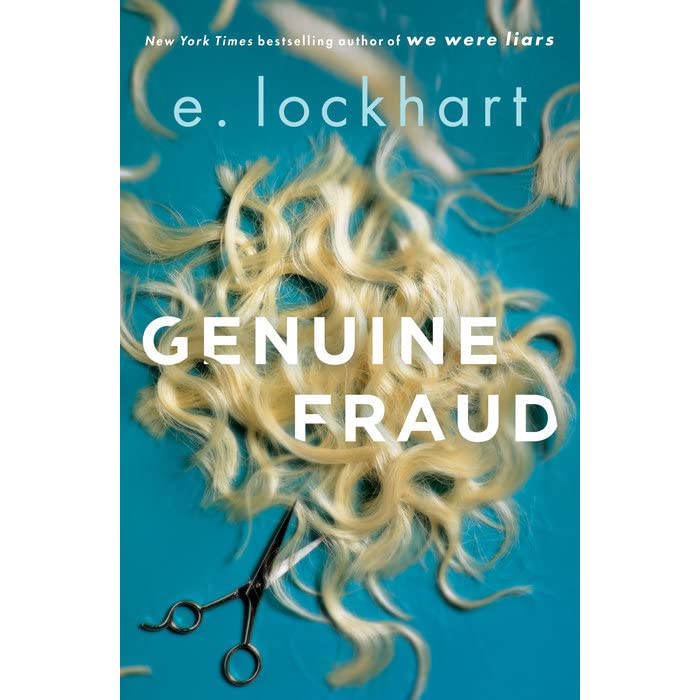
Of course it’s not all or nothing. Just look at how well this cover captures both the mystery and the approachability of a subject.
There is a subset of suspense featuring a long con plot. Simply put, a long con is an attempt to manipulate someone over an extended period of time, usually for financial gain. In theory, it takes a more diabolical person to pull this off because the set up to the crime involves getting to know your mark.
There are several popular novels that put a domestic spin on the long con: a needy woman meets the perfect man, marries him, and discovers what a fool she has been. The perfect man she married is a twisted psycho. Other books use the plot to make different points. Here are three long con plots and the themes they plumb:
The protagonist of this novel is a London artist. Driving to the North Sea for a New Year’s weekend with friends, she has a disconcerting moment while driving on a dark night road. Concerned she has hit a dog, she jumps out but finds nothing. Later that evening, she is alarmed to hear a news broadcast saying that a man was struck by a vehicle near the area. Is it possible she hit him? When she goes to the hospital, she lies to a nurse to get in to see him. She is horrified to discover that he is missing a limb. Any reader of suspense knows to question the main narrative. Is it possible this man is conning her for some reason? And if so, why?
2.
This story starts with a cinematic opening scene. A young woman is vacationing at a luxury Mexican resort. At the bar one night, she strikes up a conversation with another guest. We soon learn that the guest is an FBI agent and she is here to arrest the protagonist. But why? The narrative then shifts and goes backward in time. We slowly discover the events that led to that opening scene.
3.
Nina is a grifter living in Echo Park with her ailing mother and Irish boyfriend. When her mother gets sicker, and medical bills mount, she has a plan for a long con. She and her boyfriend will rent a cabin in Tahoe from a wealthy heiress and befriend her. After an appropriate amount of time, they will rob the family safe and disappear.
So how do these writers explore grifting motivation? None of the books is strictly about greed. Instead there is a more complex interplay about class warfare. Revenge, mounting financial strain, and classism play a role in the stories. One might be tempted at times to sympathize with the con artists. They have all been comparatively beaten down by their circumstances. Their marks are not always likeable. But in the end, their crimes often don’t pay. Perhaps that is the main meaning of the long con.
When I was a teenager, I loved two things: Anne Tyler books and Woody Allen movies. During recent, stressful times I have found myself drawn back to both of them. I guess it makes sense that in trying times you might reach for nostalgia. But I have also noticed a similarity in them that wasn’t as obvious before.
Career Trajectory. Both Anne Tyler and Woody Allen launched their first work earlier than they should have. Now, admittedly, someone else made the decision to give them a shot, but both hit their strides later. For Tyler, it was her fifth book, Searching for Caleb, that established her winning formula. She then published several stellar works – Dinner at the Homesick Restaurant, The Accidental Tourist, Morgan’s Passing, before falling back into a more repetitive groove, using a familiar bag of tricks. Woody Allen’s oevre is similar. I have never appreciated his first five films. After that he started a roll that continued for ten years before reverting to retreads of earlier works. This tells you something about the era in which they worked. In the ’60s people still took chances on amateurs who showed potential. That doesn’t happen anymore. If they were starting out today, their earlier works would have been rejected and they would have found success only when they polished their skills.
A bittersweet, old-fashioned tone. On the surface, Tyler and Allen’s works are not similar. She writes quirky domestic stories set in Baltimore. He produces urban dramedies and homages to classic Hollywood champagne comedies. But they do share a common tone. There is an old-fashioned feel to many of the central characters, as if they belong to a different era. The characters are often intellectually finicky with strong opinions and preferences. And, more often than not, the endings are bittersweet. The Accidental Tourist, for example, is both a romance and a sad story of a marriage ending. Anne Tyler recently admitted in an interview that she didn’t want Sarah and Macon to break up. The final scene, in which Macon moves on with Muriel, is a happy ending only for some readers.
The Old Becomes New. My chief criticism of both of them is the same: their later works are transparent rehashes of better, earlier efforts. Redhead by the Side of the Road is a perfect example of this. The protagonist, Micah, could easily be Macon’s son. (Maybe he and Muriel had one?) He is fussy, regimented, and clueless about women. Just as Macon’s fixed ways are altered by his bond with Alexander, Micah is enlightened by a brief encounter with an old girlfriend’s son. And both works end with the protagonist’s transformation. For the love of a good woman, he has learned to loosen up. Allen’s later films have the same problem. Long before interest in them waned, they have both clearly run out of ideas.
Without question, many intriguing premises collapse in the execution. A gripping opening gives way to flat characterization, unnecessary subplots, or a sluggish midsection. Fabulous twists don’t hold up to scrutiny when the culprit is revealed. Although the killer is a surprise, his motivation is implausible. If you read in the mystery/suspense genre, you know what I am talking about.
Good writers know how to execute a premise. Occasionally a good writer can even take a boring premise and do wonders with it. Here is a list of five brilliantly executed premises.
Unfortunately, to properly praise these efforts I have to reveal twists and culprits. STOP reading now if you don’t want to read SPOILERS.
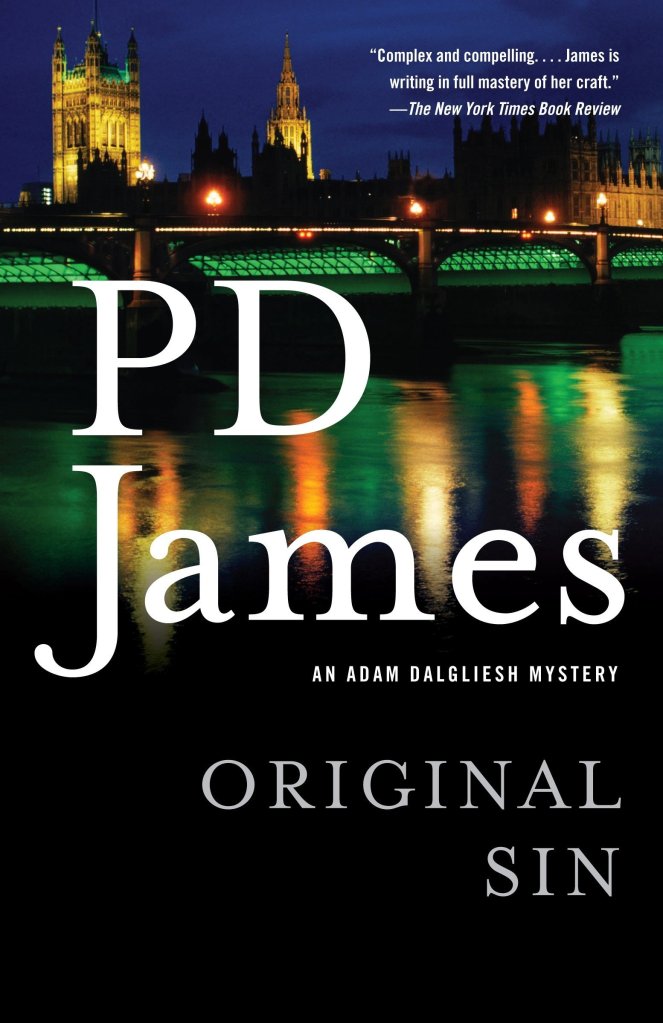
On the surface, this is a standard British whodunnit. The president of a London publisher is found dead in his office. We meet half a dozen employees and others who might have motivation to kill the victim. The skill here lies in a few small details and how they point to the killer. The publisher is found sitting upright with a stuffed snake around his neck. His manner of death is gas inhalation from a heater. There appears to be some kind of religious bent to the tableau: is the killer judging the victim for some moral flaw like adultery? In the end, it’s the manner of death that is the bigger hint. The culprit is a grieving father who lost two children in a Nazi death camp. The publisher was somehow complicit. The murder itself is revenge replicating a gas chamber. (Eye for an eye.)
There is a reason they called PD James the queen of crime. She was very good at executing a plot.
2.
This is another pretty standard premise. A gruff, seasoned detective is called to a Swedish fishing village to assist local police with two murders. It could be a serial killer or possibly a copycat. The local team includes an older chief of police and a younger female detective.
At the end of the book, there is a shocking reveal about the murderer. It’s one of those mind-blowing twists because the reader has been subtly tricked. Here’s how the author does it: in a scene midway through, the protagonist stops by a local restaurant for lunch. Seeing the chief of police, he nods a hello and takes a table on the other side of the room. The scene shifts to the female detective, who is kidnapped by the culprit and taken to a remote cabin.
When, at the end of the novel, we learn that the chief of police is the killer, it initially seems impossible. How was he both in that restaurant scene while simultaneously kidnapping the detective? A closer examination reveals a sleight of hand: the restaurant scene starts with the chief of police ordering his lunch. The visiting detective then enters and nods a hello. What isn’t clear until the re-read is that the reader assumed the friend being nodded to was the same man from the start of the scene. No name was given; the reader thought it was the same guy. In fact, the two restaurant scenes were on different days.
3.
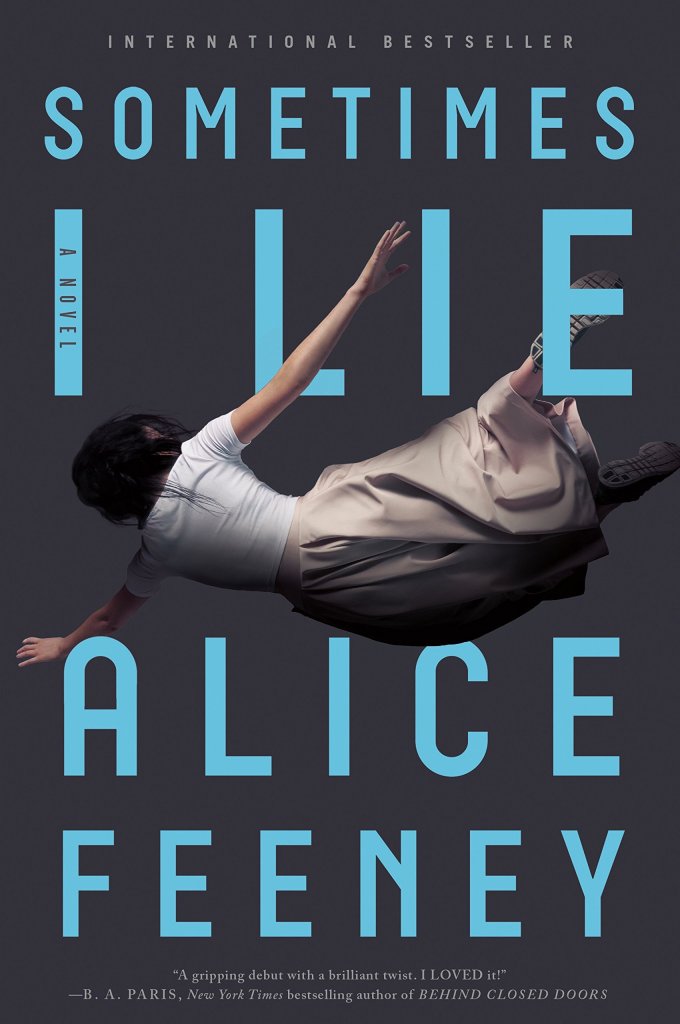
When I initially heard about this premise, I was skeptical. A story about a woman in a coma, who admits in the opening lines that she sometimes lies? It sounded a bit too high-concept for me.
Fortunately the author is a master plotter. While the protagonist lies comatose, we see her recent events in flashback. We also read intermittent journal entries of hers that she wrote as a teenager. She talks a lot about a girl named Taylor who has emotional problems. It seems more and more likely that Taylor is complicit.
Then – surprise! – it turns out the journal was not written by the protagonist but by her sister. “Taylor” was the name she went by in her teens. So, everything we know about this mysterious Taylor is actually about the woman in the coma. It’s a great twist.
4.
Some authors can pull off both premise and execution. This one grips you right away. Years after her college-age sister was abducted and murdered, Claire is living the good life. Married to a prominent architect named Paul, in the opening scene she meets him for an anniversary drink. As they leave the bar, they are feeling frisky and disappear into an alley. In a love scene that will never be imitated by fans, a robber approaches and demands wallets and jewelry. When Paul fights back, he is murdered.
Devastated, Claire must contend with an FBI team headed by a man she doesn’t trust. On her own, she roots around Paul’s computer and discovers something disturbing: a list of clients around the world who were paying him huge fees. When she digs a little deeper, she realizes that they were paying top dollar for snuff porn that shows the rapes and murders of college-age women. Could Paul have been her sister’s killer?
The story is well-constructed with a great twist at midpoint. By the end it was a little too vigilante for my taste. I must read this author again at some point. She’s really good.
5.
One of these authors was an editor at a NY publishing house for twenty years. I think all those years of reviewing manuscripts gave her a good foundation to plot in unusual ways.
This is another one with a standard premise. Vanessa has a life few would envy. Living with an elderly aunt and working in retail, she is wildly jealous of Nellie, the attractive elementary school teacher whom her husband left her for. She has taken to stalking her. We learn that Nellie is hiding from dark memories of her upbringing in Florida. The plot jumps around from the present to the events that led to Vanessa’s divorce.
And then – bam – the authors pull off a twist. Vanessa and Nellie are the same woman. “Nellie” was a nickname the husband have to her in their honeymoon stage. (She was afraid to fly – ergo nervous Nellie) It is only after this is revealed that the reader considers that the setting for Nellie’s sections never specified the era, and those sequences were twenty years before. It turns out the new wife being stalked is not Nellie but a different character.
Because of carefully selected detail and clever vagueness, the authors pull off an implausible twist. I was impressed.
There are two essential parts of a good suspense book: premise and execution. A good story masters both. The premise is the elevator pitch: a brief, bare-bones sketch that hooks the reader from the opening pages. The execution is the final product, comprised of pace, characterization, twists, internal logic, and believability. It is much easier to come up with a good idea than to pull it off. Probably every mediocre book I’ve read fails in the execution.
Here is a list of five books with brilliant premises and some notes on their execution.
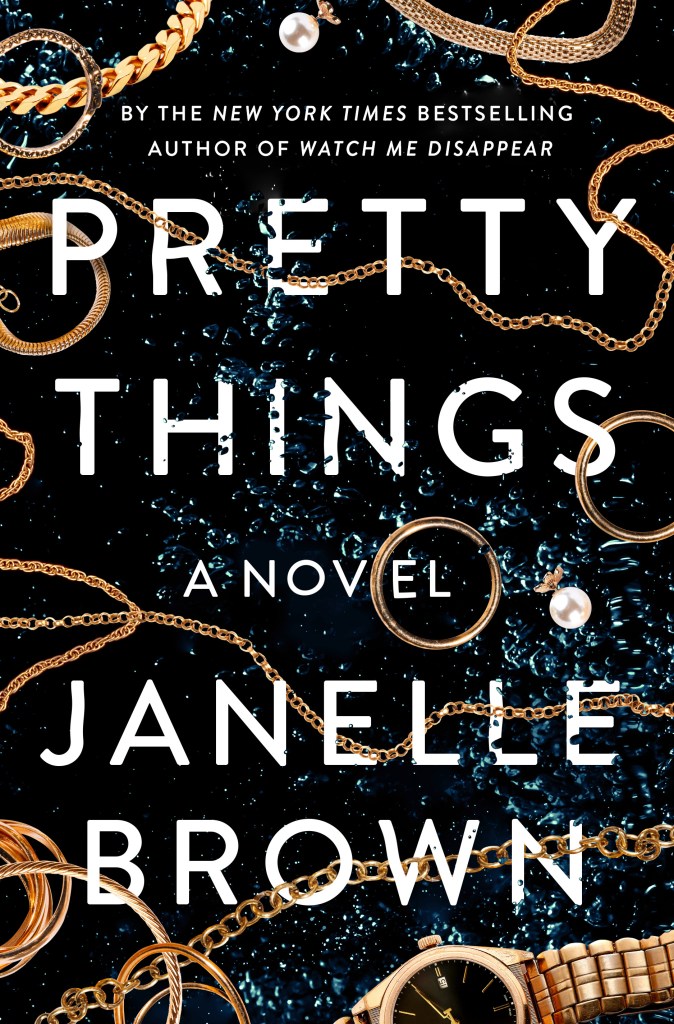
Jessie works for a security company like On Star. One night on her shift, she gets a call from a man whose car has broken down. While she is helping him, someone pulls up to assist. The client steps out to talk to the Good Samaritan. Listening to empty static on her headset, Jessie hears a shot ring out. When the police arrive, the car is abandoned by the side of the road. No sign of the driver.
This premise is an intriguing twist on Hitchcock’s classic window. The protagonist has witnessed something, but what? I thought the whole book worked well.
2.
Lucy is in a state of midlife ennui. Things have not gone as she would have liked. Single and childless, yearning for what might have been, she wanders into an IKEA. She spots a cherubic baby in a cart, momentarily alone with her parents’ backs turned. In a split second decision, she steals the baby.
While the premise itself is nothing new, what makes this book intriguing is the point of view. Instead of being strictly about the frantic parents and heroic police, we get inside the mind of both Lucy and the child. The story is surprising in many ways. I loved it.
3.
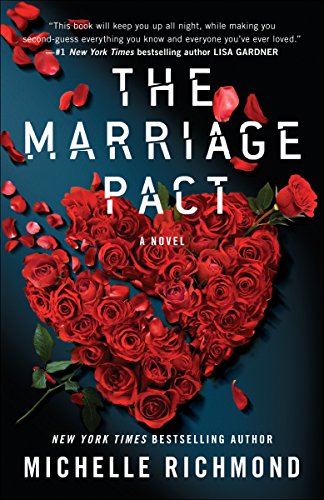
Alice and Jake are newlyweds living in San Francisco. As a wedding gift, they receive an invitation to join a private club that promises marital satisfaction. No couple who has joined has ever gotten divorced. Reluctant to say no to the client who gave it to them, Jake and Alice unknowingly slip into a cult.
I liked about 80% of this book, including the lady or the tiger ending. There were some good twists. It was way too long, though, and the parallels to Scientology were unimaginative.
4.
The book starts with Iris having toe-curling sex with Will, her chiseled husband. He is about to leave for a conference in Orlando but they’re so in love that they go another round. That night, with Will gone, Iris sees on the evening news that a plane leaving from Atlanta crashed. Mesmerized, she is relieved when she learns it was flying to Seattle. A short time later, she gets a call from the airline. They regret to inform her that her husband perished on the Seattle flight. Iris is forced to look more deeply at the man she married. Who was he, really, and why was he flying to Seattle that day?
There is a good twist at midpoint. I enjoyed the chapters in Seattle in which Iris investigates Will’s secret past. By the end, though, the author seemed to be going more for shock value than plausibility.
5.
Her New York star fading, Joan Carpenter takes an evening anchor job in St. Louis. After she settles in, she begins to receive disturbing letters from a crazed fan. Even worse, when the stalker kicks it up a notch and kills someone to impress Joan, the station manager can’t resist the lure of higher ratings.
I loved this book. It’s a modern epistolary novel told entirely through emails, faxes (it was published in the early ’90s), memos, etc. The culprit was both surprising and inevitable.
I have never been to Baltimore, but I seem to cross paths with it a lot. I have read many whimsical Anne Tyler novels set there, where the worst that can happen is a divorce. On the other end of the spectrum, I have heard plenty about Woodland High and Leakin Park on Serial. This is the dark side of Baltimore, where high school seniors rush out of school one afternoon and are never seen alive again.
Somewhere between the two is Laura Lipman’s Lady in the Lake. The title is well selected, as it is set in the mid 1960s, a time when women had few paths to upward mobility that did not hinge on their ability to attract eligible men. One narrator, Cleo, lays this plain when she states that she must leave her two boys with her parents so she can strike out on her own to find a father figure for them. It will simply be easier to get married if her suitors don’t yet know about her children. Her matter-of-fact desperation is one of the things that easily hooked me into the story.
Cleo ends up as the titular lady in the lake. That her death goes initially unnoticed speaks to another of the book’s themes: racism in the civil rights era. It falls to Maddie, a recent divorcee trying her hand as a cub reporter, to uncover the truth.
The whole mileau of Baltimore at this time is one of tribal divisions along racial, ethnic, and gender lines. There is a nice sequence where a dinner party breaks down into private judgments about Jewish dietary customs. In another good scene, a single woman, desperate to move out of her parents’ house, strikes up an entirely convenient friendship with someone who could be a potential roommate. The mood of distrust nicely underscores the main murder plot.
For some reason this book didn’t grab me quite as tightly as the similar Long Bright River by Liz Moore. If you have time for only one, I would go for that. I did enjoy it, though, and it has made me ever more curious about Baltimore.
Years ago I lived for a brief time in Phoenix. My apartment complex resembled a motel, complete with flimsy hollow wood doors, a kidney shaped pool, and palm trees. One of my neighbors was this slightly creepy guy who would watch my front door from his living room and make any excuse to pop over when he saw I was home. Any small talk between us was awkward partly because I was always trying to cut things short.
Inevitably when he saw me books were around: stacked up near my couch, under my arm as I walked back from the library, or sitting near a rocking chair that had come with the place. One day, after some time had passed and he was aware of my habits, he said to me, “So are all these books you’re reading teaching you anything?”
I guess I understood where he was coming from. Many people associate books with school. The purpose of reading is to gain knowledge, skills, training. I read enough for pleasure, though, that I wouldn’t say that learning is even among the top three reasons I read.
Thinking back to that time, I will pick up the gauntlet and answer his question. Here are five books and what I learned from them.
The ancient Roman world was “grazed thin by death” with a short life span and high infant mortality rate. It was not uncommon for prominent men to have sex with both male and female prostitutes: prostitution was in fact legal and taxed. Adultery was punishable by death… if you were a woman.
2.
The Hebrew Bible was stitched together from tribal sources: different communities wrote down long-held folk histories. The source material was edited together with some inaccuracies. For example, in Genesis there are two creation stories. In one, Adam and Eve are created simultaneously. In the second, Adam is created first and Eve is then formed from his rib. Some scholars explain away this lacuna by stating that Adam had two wives: Eve and Lilith.
3.
I still have not technically read the book this series was based on. I watched the lecture series instead. In it, I learned that there were many stories in the ancient world of men who claimed to be the sons of gods. Alexander the Great was the most famous.
4.
Until I read this true crime story, I did not know that in medieval Italy they used to grill people over an open fire.
5.
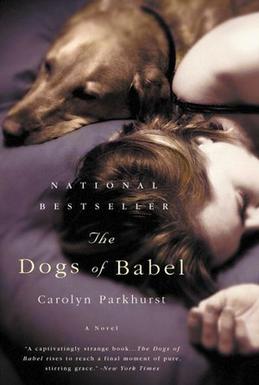
This is probably my favorite of all these books. Consider the premise: after a woman hangs herself in the backyard, her grieving husband is convinced that their dog saw what really happened. There is a subplot in which he learns of a community that believes you can teach your dog to talk. I think there is even a video of a talking dog. I have never had the heart to find out if such groups exist. I’d like to believe they do.
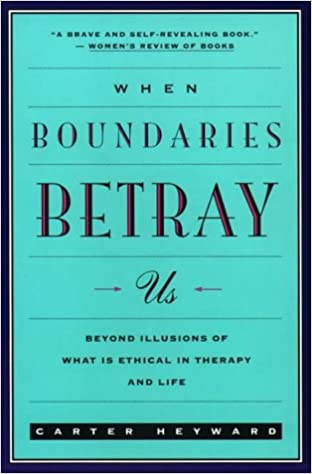
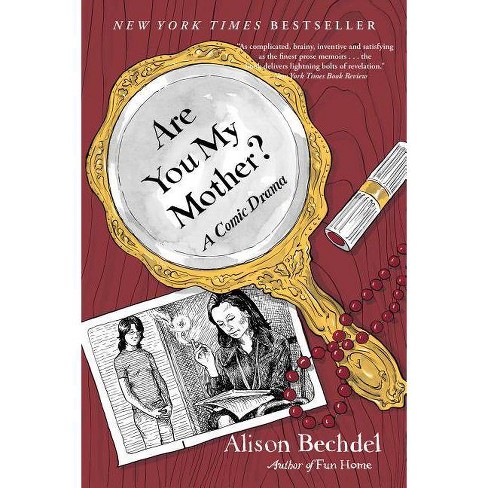
Therapists in fiction often take on heroic qualities. Dr. Lowenstein in The Prince of Tides is a savior, immortalized in the last moments of the book like some kind of demigod; Dr. Berger plays a pivotal role in the family catharsis in Ordinary People. It gets a little more complicated, and interesting, when you look to nonfiction. Here are three works that examine the shrink-client dynamic in all its complexity.
When Boundaries Betray Us is one of the strangest and most mesmerizing books I have ever read. The author, an Episcopal priest, is going through a difficult time. She is an alcoholic and bulimic in recovery, her dog is dying, and her partner of seven years complains of being treated like “the wallpaper” in their relationship. She decides to enter therapy with a woman named Dr. Elizabeth Farro. What happens next is truly bizarre. The author becomes convinced that she and her therapist are falling in love. She believes that her therapist shares her feelings but can’t admit it due to the confines of traditional Western analysis. Eventually Dr. Farro cuts her off, terminating their sessions and refusing to speak to her again. We never know what her side of it is. The author uses this experience to critique Western therapy. She feels even more psychologically damaged by the artificial boundaries placed on their dynamic. Could they have been better able to resolve this if they were able to be more honest?
2.
In a similar vein is Alison Bechtel’s Are You My Mother? In graphic novel form, the author recounts her complicated relationship with her mother. She sees two therapists, most notably Jocelyn, a warm woman who becomes a stand-in for her mother. At one point, Bechtel takes long summer night walks with her dog, stopping in front of Jocelyn’s house while she sleeps. In the sessions, Jocelyn violates a few boundaries herself, calling her client “adorable” and hugging her. It is all fascinating and a little uncomfortable. Eventually, the author and Jocelyn agree that they are in heavy transference, where the participants in therapy begin to represent absent figures from their lives. The title of the book says it all: Jocelyn has become her client’s surrogate mother.
3.
Another engrossing title in this realm is You Need To Talk To Someone. It is the story of four different clients on the couch. There is an elderly woman who is estranged from all four of her children. An angry TV producer who is convinced that most of his problems are a result of all the pinheads in his life. We go deeply into the sessions, witnessing the breakthroughs while also seeing the author’s colorful private life. I especially liked the segments about John, a stressed out father of two girls. At one point, he lets slip the name “Gabriel.” His therapist pushes him and he says, “I can’t believe I said his name. I haven’t in years.” Moments like that made this a gripping page-turner. By the end, I got a little tired of the author’s self-congratulary tone. She sees herself as a miracle worker. There is no denying that she is a good writer, but I suspect the results of these cases are not typical.














 Books Smitten