A Peculiar Beast

I once knew an editor whose job consisted mainly of wading through the slush pile of fiction submissions. “My job sounds great,” she told me, “but you would be amazed at the number of people who write revenge fiction. The story is just obviously something that happened to them. There is no characterization, plotting, or setting.”

Writers are often told to write what they know. If you have never manned the international space station, for example, there are better people to tell that story. And, yet, as my editor friend laid bare, you also have to go beyond your basic biography. Few people have lives interesting enough to thinly veil.

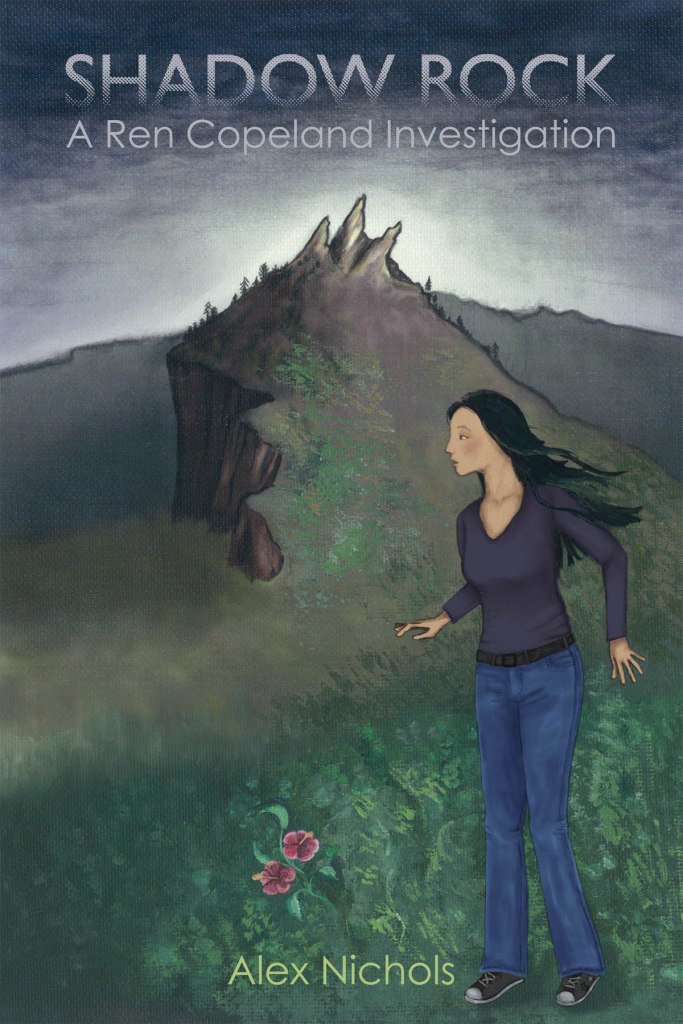
I have written two books. While I agree with the basic rules of fiction, I have found that inspiration is a peculiar beast. My novels both reflect and defy my experience. When I am immersed in the process, I often have no clear sense of what is driving the story. The settings are places I have lived and the characters are composites of people I have known. What is mysterious is the story that is driving it.

With some distance from the completed project, I often gain clarity on what I wrote. My first book, written in 2009, reflected my own optimistic state of mind. My protagonist was ideal, a better version of myself. She was braver, more disciplined, and more forgiving than I am. Her life was what I secretly wanted for myself.

For my more recent book, it was just the opposite. My protagonist, Maggie, is a woman I would never want to be. She is not based on any one person but is an amalgamation of behaviors I have witnessed. Writing her story was a detour into some dark memories. Ultimately, though, there is some hope for her.

So what does all of this mean, exactly? I think writing fiction is an exercise in working through your own psychological issues. I would liken it to the final scene of The Wizard of Oz when Dorothy awakes from her Technicolor dream only to realize that the people in her story were those she already knew. Fiction is a multicolored reflection of our black-and-white interiors.

Final Drafts

https://www.amazon.com/dp/B08K1Y2R9S/ref=cm_sw_r_tw_apa_7wpCFbJWCEBM7

I once knew a man who believed he was a year away from placing a book on The New York Times bestseller list. “I find that I don’t have to do much revision,” he said confidently. “One draft is usually enough.” He was a rather extreme example of the grandiosity that can accompany creative pursuits. He hadn’t yet learned the truths of writing and the publishing industry.

In some ways, his naivete was understandable. History is written by the winners. For every ninety-nine writers toiling away in obscurity, there is an improbable success story. I once took a creative writing class with a woman who was writing a series set in Paris. It is now on best-seller lists. I can think of three people in my extended social network who matched her record, including one who has a Netflix movie based on her book. I’ve known dozens of other writers with more unenviable degrees of success.

There is no standard. I’ve known modestly talented writers who were traditionally published and gifted ones who weren’t. While it is true that there is a huge market for fluff, writing it does not guarantee publication. As an editor friend once told me, “I reject as many marketable projects as I do works of literary fiction.”

I have completed two full-length fiction novels. The first was read by four literary agents. While there were things they liked about my project, they all ultimately passed. Getting those rejections was one of the hardest things I have ever experienced. No emotional pain has ever been worse.

When I recently launched my second work of fiction, I decided to forgo the traditional route entirely. This was partly because of industry changes (independent publishing is now 27% of the marketplace) and partly due to my experiences last time.

My decision was also due to a change in me. At some point in this process, I have learned that writing is its own reward. Completing a character’s story is even more satisfying than finding readers who connect with it.

Finishing is hard work. Each draft takes everything out of me. I know that I am finished when there is absolutely nothing more I can do with the story.

I don’t know why so many people are born with the desire to write fiction. I am one of legions who got beyond the dreaming stage. If you feel that pull, I highly recommend doing everything you can to pursue it. Just know that the rewards are often unexpected.

Transitions

Even as a teen, I never read much YA. I think I was too busy processing my own angst to live vicariously through fictional scenarios. More recently I have come to appreciate the genre. There is a theory that all literature is about the hero’s journey from innocence to experience. This is certainly true for YA, where characters are encountering many emotions for the first time.

There is also a growing canon of queer YA. It differs from standard YA only in the sense that the dilemmas involve issues that are unique to the LGBTQ experience, such as transphobia, coming out, and internalized hatred.

Here are reviews of two recent LGBTQ YA titles.

1.

Who I Was With Her is about Corrine, a high school runner who is a closeted bisexual. She is secretly dating Maggie, a track competitor from another school, who is killed in a car accident just before the opening chapter. Corrine privately grieves while socializing with Elissa, one of Maggie’s exes.

This is an interior novel, told in alternating chapters in the past and present. We get to see Maggie in flashback, which is not always the case in books like this. There is also a subplot about Corrine’s efforts to get into college on a runner’s scholarship.

Despite the LGBT content, there was something slightly old-fashioned about this narrative. It reminded me a bit of Norma Klein. I’m sorry to say I was not terribly invested.

2.

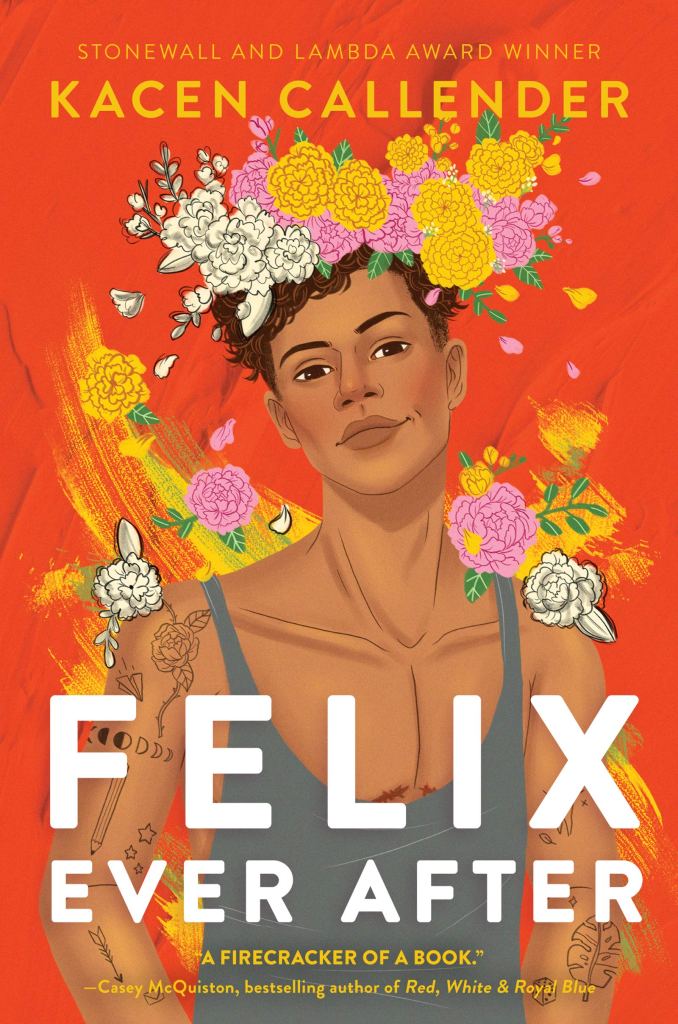
On the surface, Felix Ever After is a familiar rom-com that just happens to have a trans male protagonist. Felix Love, an art student with dreams of Brown-RISD, is anonymously bullied by a transphobic classmate at his NYC school. Suspecting his nemesis Declan is behind it, Felix catfishes him on Instagram only to discover the kid has more depth than he assumed.

In a more standard plot, Felix and Declan would fall in love and have their relationship tested when the deception is outed. Instead, author Kacen Callender mixes it up with twists that are both surprising and satisfying. Felix Ever After will easily make it on my “best of” list for the year.

Ms. Representation

Other than the ubiquitous canon of Jennifer Weiner, most fiction features so-called normal size protagonists. Book publishing is not much better than showbiz when it comes to representation. In a nation that is only sixty percent white, with an average women’s dress size of 12, books still often reflect the Madison Avenue ideal of beauty. This may partly be because the industries are connected: to land a book deal, your odds increase if TV and movie rights are likely. Whatever the reason, the average American woman doesn’t see herself in print very often.

Kate Stayman-London kicks it up a notch this summer by not only featuring a zaftig heroine, but taking on the size representation dearth in reality TV. A former speech writer for Obama, she has written a popcorn rom-com book, destined for Netflix. Her heroine, Bea Schumacher, is a fashion blogger living in Los Angeles. Pining for her best friend Ray after an ill-advised one night stand, Bea writes a scathing blog about a reality show called Main Squeeze. In a cinematic twist, the once popular show is tanking in the ratings so the new showrunner decides to let Bea take the mike for the next season. Will she find love?

As can be expected in romantic comedies, the boat doesn’t sink in the final act. As Bea takes her bachelorette journey, Stayman-London offers some insightful commentary on fatphobia and Internet bullying and provides a sweet, albeit predictable, coupling. I don’t know if this book would have been published without the author’s high profile industry connections, but it’s decent summer froth.

Don’t Look Back

Romance is the best-selling category of books. I don’t read much in the genre, but I suspect that its appeal is in the false ideas it promotes. People don’t want to face the truth about male-female relations. It’s just too depressing.

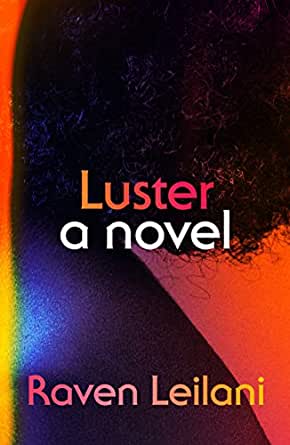
A writer like Raven Leilani forces the reader to look at certain uncomfortable truths. Her protagonist, Edie, is in some ways interchangeable with a lot of young urban professionals: she is working a glorified subsistence job at a book publisher in NYC, splitting the rent on an undesirable apartment, and making time to stretch canvases and make art.

She is also dating a white married man she met online. On their first date, he takes her to Great America. He doesn’t know that the meals he buys for her are feeding her, or that she has slept with fifteen co-workers in three years. She doesn’t know that he has a teenage foster child. They seem like the kind of modern couple who will fade away organically, becoming casual strangers.

As it happens, though, Edie’s workplace antics get her fired. Eric and his wife, Rebecca, invite her to stay with them, in part because they are looking for a mentor for Akila, their Black foster daughter.

The book is full of those “why didn’t I think of that?” insights that mark quality writing. I squirmed a bit at the unpleasant revelations it makes about Edie’s reality and what it says about unconscious and structural racism. Of her artistic pursuit, Edie says, “I’ve made my own hunger into a practice…so that when I am gone there will be a record, proof that I was here.”

Gone Girl

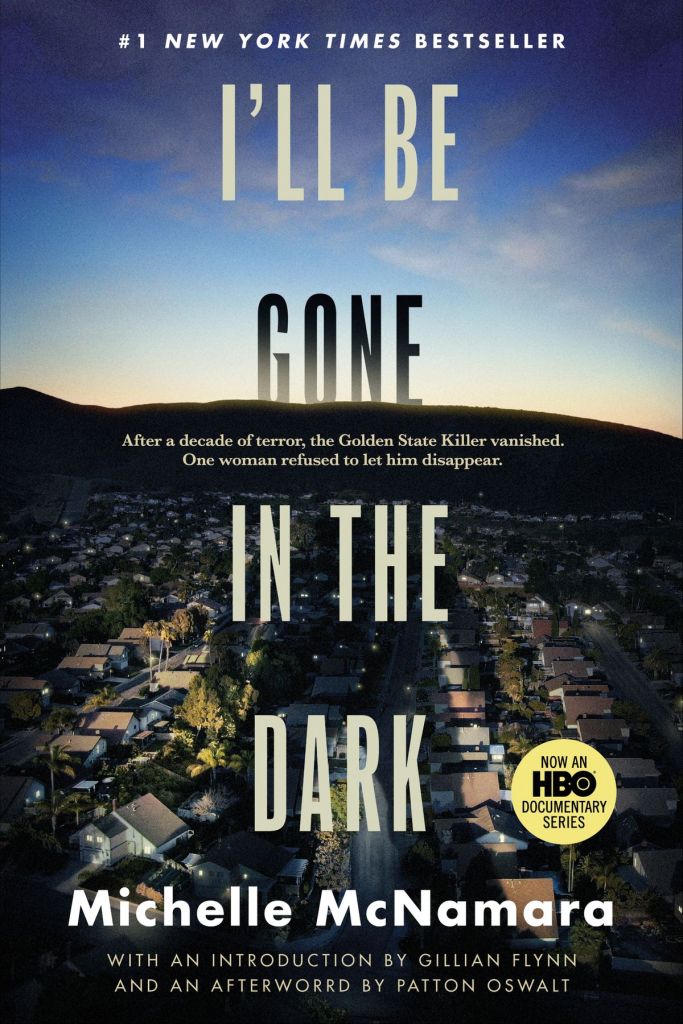
It’s probably a sign that you liked an adaptation if you immediately read the book on which it is based. Such was the case for me with I’ll Be Gone In The Dark. Last week I watched the terrifying six-episode HBO miniseries based on Michelle McNamera’s book. I finished it with that mild longing that follows a satisfying viewing experience. So the book was a logical next step.

If you aren’t familiar with the basics, a string of horrific rapes occurred in California starting in the mid ’70s and continued off and on for a decade. How horrific were they? Midway through my viewing, I bought an alarm system and installed it in my apartment. Even knowing that the culprit is in prison did not ease the terror.

The Golden State killer was a sadistic, misogynistic man. His identity eluded law enforcement for years, allowing him to commit dozens of rapes and numerous murders. Eventually the advent of genetic detection helped police close in on him.

Unsung until recently was the tireless research of LA writer Michelle McNamera. When she discovered the case, she was surprised at how little attention it had received. Granted it was a cold case, but many unsolved crimes continue to generate attention. (Think of JonBenet Ramsay or DB Cooper.) Michelle was pulled into this world, working around the clock reviewing police files and consulting with others familiar with the case.

Tragically, she died before the case was closed. Reading the book, you realize she was very close to cracking it. She correctly surmised that the killer lived near his hunting ground, that he had military training, and that he probably worked an ordinary job.

The book reminded me of Helter Skelter, another true crime classic that effectively contrasts California glamour with its dark underbelly. As is always the case, the book went more in depth while the miniseries had the benefit of visuals and music. I would recommend either or both. Just check your security system before you begin.

Memory and Forgetting

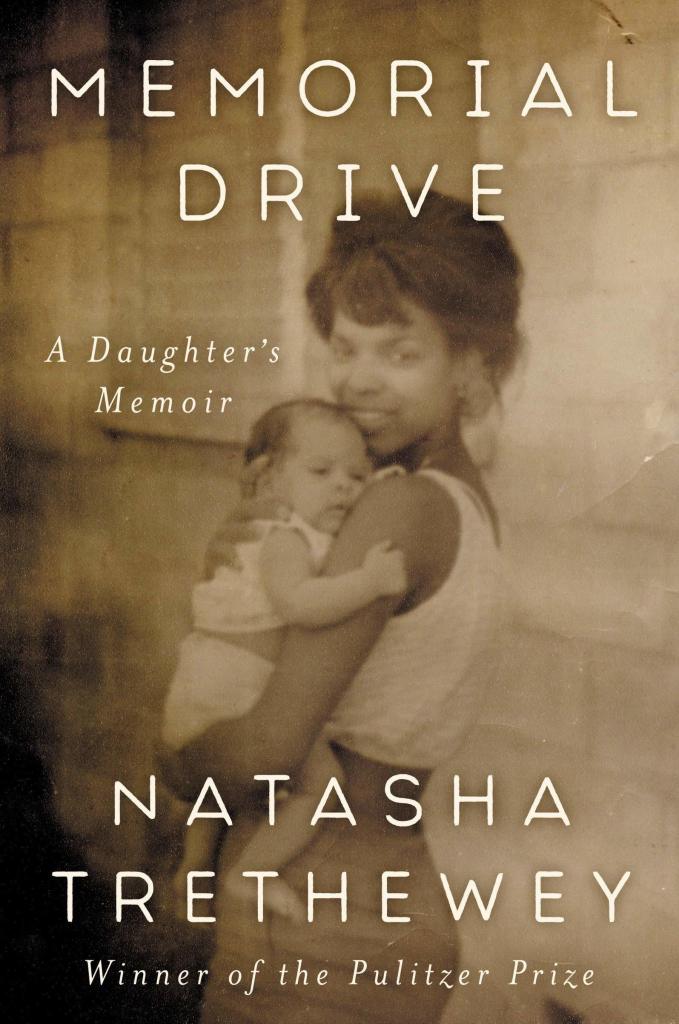
Memorial Drive is the name of a thoroughfare in Atlanta. The author spent her childhood there and left for good the day her mother died. The title also alludes to the interior process of memory and forgetting that the author spends thirty years working through. Like many trauma victims, she has buried what she doesn’t want to look at.

When the author was a child, she nearly drown in a swimming pool in Mexico. Her memory of that moment – submerged under blue water, her mother coming into view, a savior – becomes one of the controlling images of her childhood.

Later, when her mother is murdered in an act of domestic violence, it takes on a different meaning. The author’s stepfather, Joel, is a disturbed man who thinks it is his right to kill people who betray him. After being released from prison, he gives his wife a choice: she can either take him back or she can die. He also blithely speculates about killing his stepdaughter. When he shows up at her high school, she defuses the tension. When her mother is killed, the author sees her as a saint who died in her daughter’s place.

This book is written in a detached, dislocated style that may turn some readers off. I was reminded of Kathryn Harrison’s The Kiss, another book that took on a heavy topic but did not fully engross me.

That’s not to say that there aren’t windows onto this world. One of most revealing moments is found in a set of phone transcripts between her stepfather and mother. (After the first domestic abuse conviction, the author’s mother worked with police to secure her safety.) We get insight here into just how psychotic Joel was. I wish the rest of the book were as illuminating as the transcripts.

The Half List

Compiling “best of” lists is a bit tricky. I don’t know that books really should be compared to each other. Most fiction works that are traditionally published have reached a baseline of quality, either commercial or artistic, and that in itself is an accomplishment. Beyond that, it really is nothing more than a matter of opinion. Someone who reads a lot is in a better position to judge simply because they have a broader sample. Generally, though, there is no accounting for taste.

All of that said, we are midway through 2020 and I have read a lot of good books. Some have stuck with me more than others. Here is a list of the five most memorable books of the year (so far).

5.

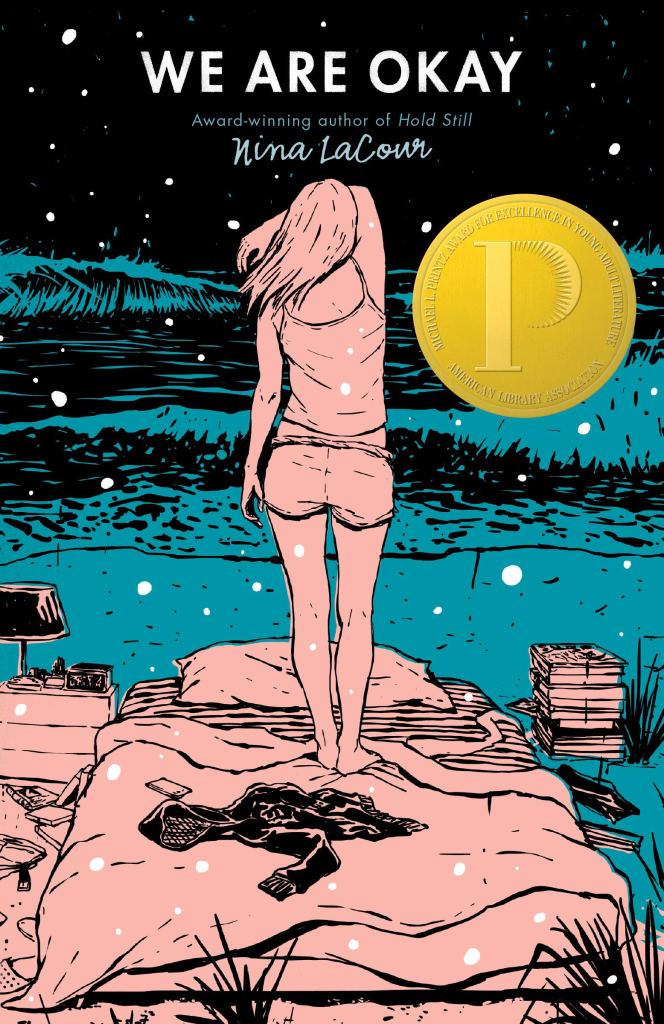
I like to sample a few queer works each year. I spotted this at Green Apple recently and was drawn in by the beauty of the production. If ever there were a case against e-books, it is this beautiful edition with cover art and thick end paper. The novel is a gorgeously written story about a young woman, recently matriculated at a school that bears a resemblance to Barnard, spending the Christmas break in her dorm. She is in a transitional frame of mind, moving on from high school to what is next. I found myself taken back to that time in my life with all its abrupt change. Her experiences are so poignant that I really rooted for her.

4.

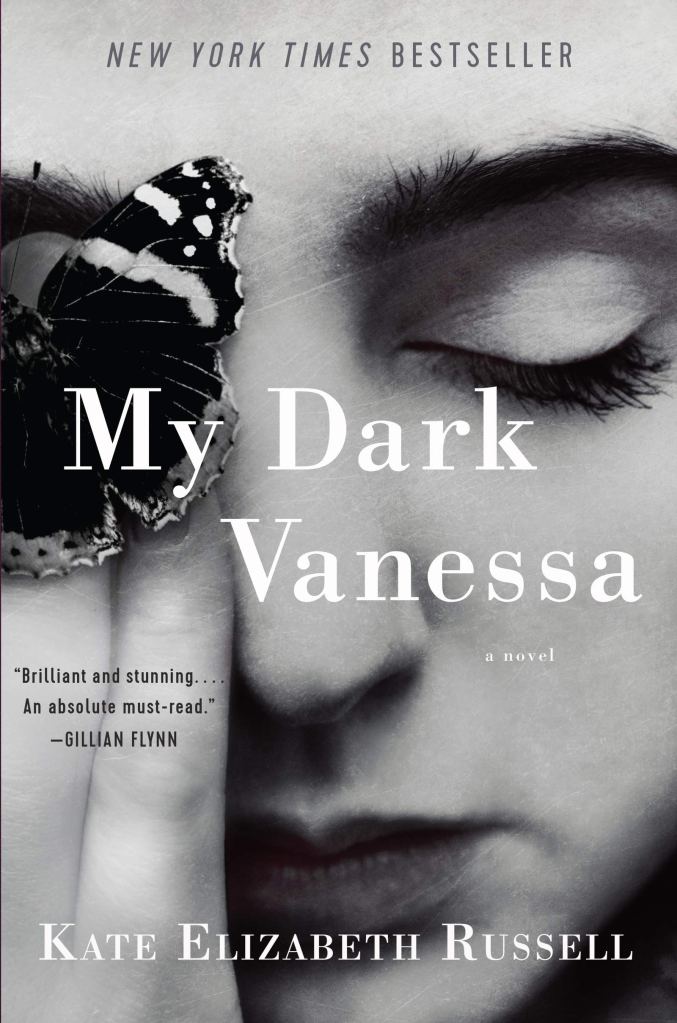
If this book sounds familiar, it may be because a juror at the Harvey Weinstein criminal trial was nearly kicked off when it was discovered that she had posted an online review for it. I’m not surprised it aroused concern as it’s not only a #metoo novel but also one with some shades of grey. The protagonist is a high school student who is seduced by her English teacher. For much of the novel she doesn’t think they are doing anything wrong, which creates a debate for the reader about what consent actually is. It also provides some insight into the “defend the abuser” mentality. I thought it was both engrossing and skillfully nuanced.

3.

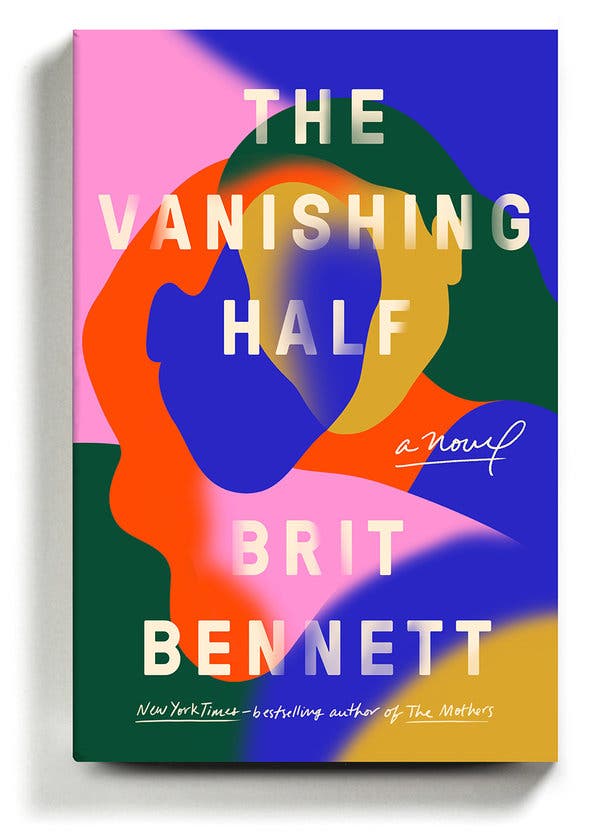
The whole notion of passing – gaining social status by hiding racial origins or other features – is one I hadn’t thought about deeply until I read this. Stella, the protagonist, is able to pass for white and disappears for years to gain access to a better life. Her twin, Desiree, is darker and destined to suffer the slings and arrows of colorism and racism. She spends most of her life in their Louisiana hometown, where lighter and darker shades bring their own social standing. Stella represents the casual lure of privilege. Her choices are chilling.

2.

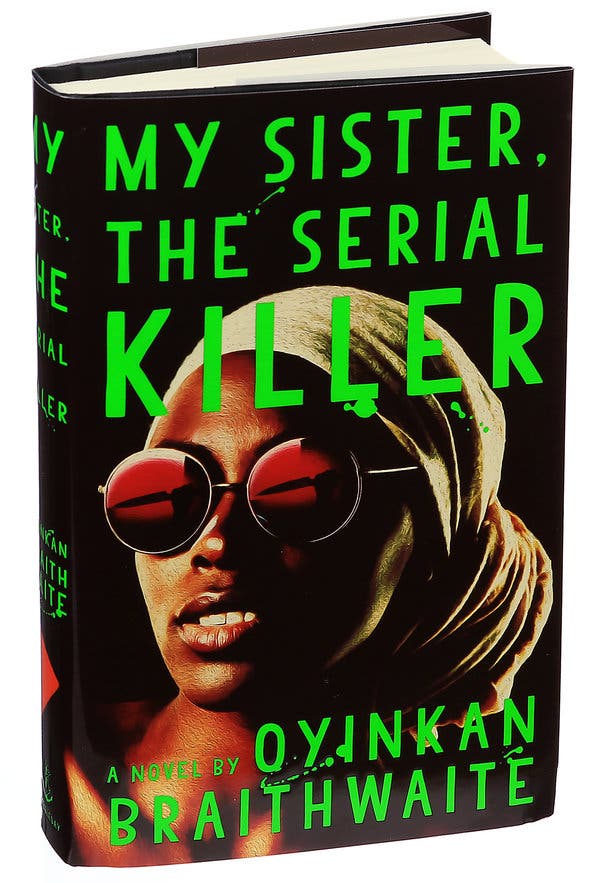
This is the most original and transporting novel I have read this year. The author has reimagined the suspense genre. Instead of reading to discover a culprit, we are instead introduced to the killer in the title. The plot is about the social conditions that produce sociopathy. Essentially the entire story is an illustration of motive. By creating a likeable narrator, the macabre elements are balanced out with some insightful social commentary.

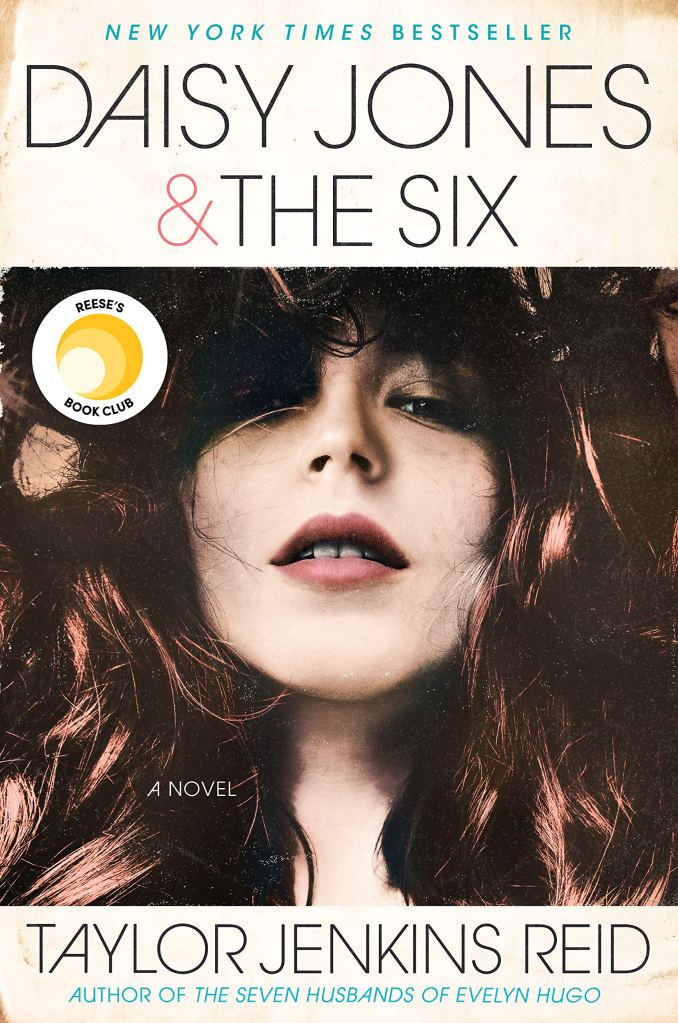
I opened this book unsure of what to expect and soon fell down a rabbit hole into a world that felt so real I still can’t quite grasp that these events didn’t happen. Daisy Jones is a female singer-songwriter who joins a band, has a tempestuous dynamic with a bandmate, and achieves great heights before fading out. The parallels to Stevie Knicks and Fleetwood Mac are only part of the fun. Of these five books, it was the one that gripped and altered me the most and so I will give it the top spot.

Regrets Only

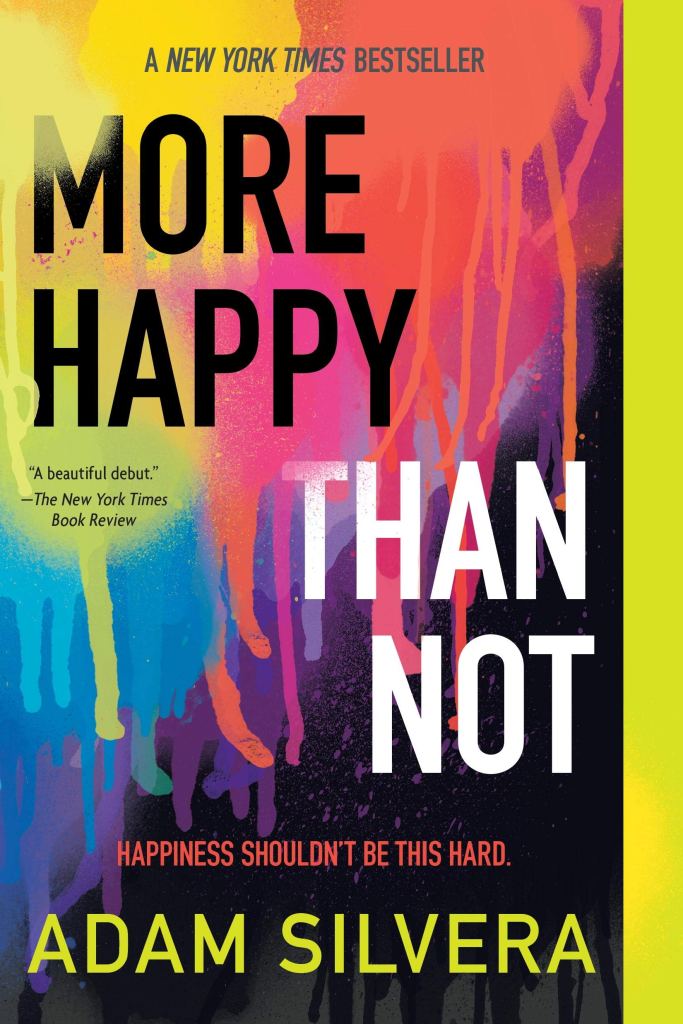
If you could erase a memory from your mind, would you? And would you be the same person without it? This is one of the central questions of Adam Silvera’s More Happy Than Not. Published in 2015, this queer YA novel envisions a distant future in which a company named Leteo offers medical procedures which erase particular memories from the mind.

Consider all the ways that life might be better with such an option. Crime victims would be free from their trauma. Bitter exes would have forgotten the infidelity and abuse that shattered their unions. Family secrets could actually be buried, not just repressed.

Aaron, the protagonist of this story, has reason to forget. His father has recently killed himself. His crush, Thomas, claims to be straight. Wouldn’t it just be nice to erase all this and get back to enjoying comic books and rooftop movies? His best friend, Genevieve, seems more than happy to date him.

Since Aaron is gay, the moral implications of the procedure are heavier. There are some eerie parallels to conversion therapy. What is the difference between memory and identity? Can you lose the second without the first?

The pleasure of this book comes from its construction. Although told more or less linearly, it is a mind bender. I had to stop myself twice from turning back to confirm earlier details because I felt confused. By messing around with the narrative, the author is powerfully suggesting a world in which queerness is erased. The effect is chilling. Forget it all? I think not.

Second Son

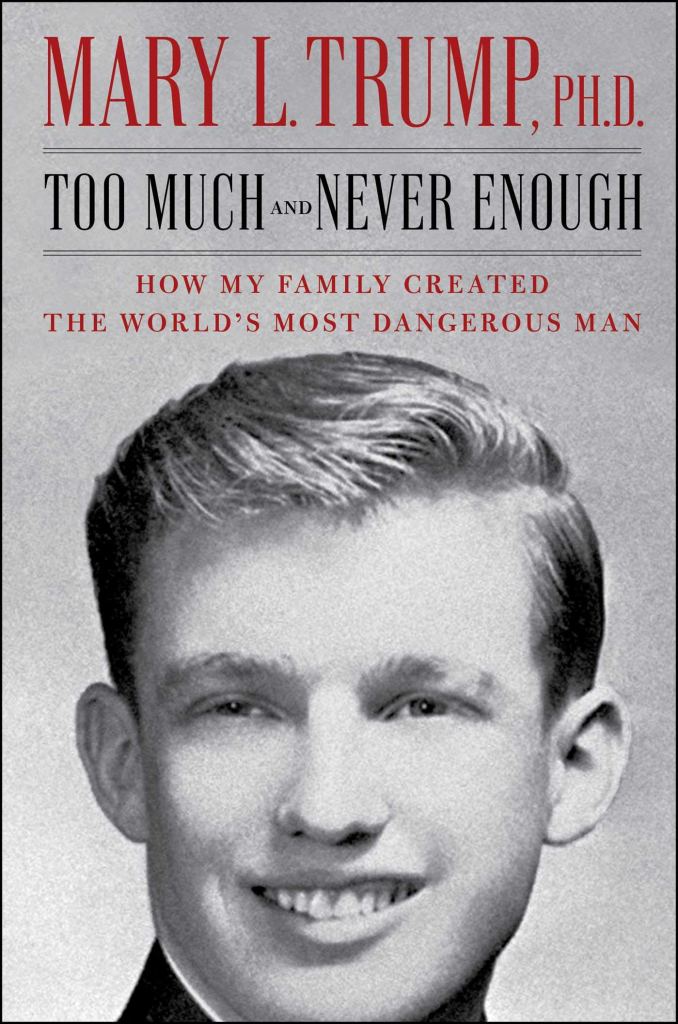
Freddy Trump haunts this memoir every bit as much as if his ghost occupied the second floor of his family home in Jamaica Estates, Queens. Banished to a room in his parents’ home at the end of his brief life, a transistor radio keeping him company, he is denied a final goodbye when his daughter leaves for boarding school. A short time later, he is dead.

Freddy was the black sheep in a family of five. His dream was to be a pilot, a goal he briefly fulfilled when he got a job flying Logan to LAX with TWA. He married a flight attendant, had two children, and eventually wasted away to alcoholism. His children were regulars at their grandparents’ holiday get togethers although their mother was not. She was seen as a gold digger, too working class to ever be fully welcomed.

With their first son content for a time as a “bus driver in the sky,” the family focus fell to the spoiled second son. He was brought into his father’s real estate business. His increasingly reckless business ventures were often bailed out by his father and later the banks. Anyone reading this book knows what happened to him after that.

When Fred Trump Sr. died in 1999, his grandchildren by his pilot son were left out of the will. They each lost out on about $68 million. (To put that in context, that is about the net worth of Ed Sheeran or Kristen Stewart.) There were contentious moments after that, but none so terrible that the author wasn’t greeted warmly at subsequent family weddings.

Memoirs, of course, contain the truth as the author sees it and have to be absorbed with some caution. Mary Trump, the president’s only niece, is clearly not objective. She makes no outlandish claims against her uncle and that may lend her some credibility. She sounds a lot like the typical Trump opponent: concerned about his grandiosity, lack of fitness for his job, and impressionability. Her only outrageous moment is when she speculates that Trump probably wished he could have traded places with the officer who killed George Floyd.

Sometimes memoirs speak volumes by what they don’t say. The implicit image here is of a man who rode a populist wave to the White House while holding classist views, an elitist who shunned his blue-collar brother. But the author is also strangely silent about her own mother, the aforementioned flight attendant who was cut out of the family. Is it possible that there is more to this family dynamic than we are privy to? Maybe.