14 Books That May Have Changed My Life, And One That Definitely Did

I turn fifty in a few weeks. There is no doubt that books have played a formative role in the person I have become. Without books, I would know very little about systemic inequity or the ancient world. I would have little sense of numerous parts of the world, such as Iran or North Korea, that I have never visited. I would know a lot less about transgender identity, urban poverty, or the rules of suspense.

In short, books have broadened my horizons and challenged me to see things through different lenses. Perhaps they have helped me empathize. They have certainly helped me write.

Before I experienced any of this, I had to become a reader. Without these books, I might never have progressed to the point of greater curiosity. Here are fifteen books from my formative years that made me enjoy reading.

1.
Something about these books captivated me as a child. Addie lives with her widowed father and grandmother in Nebraska. Her father refuses to have a Christmas tree because it reminds him of his grief. Perhaps the tension between a headstrong daughter and taciturn father was relatable to me. Or maybe it’s just a good story.

2.
I didn’t read too much as a kid. Beverly Cleary was an exception. Something about her books held my attention. They seem very old-fashioned now, but the scrappy girls were relatable.

3.
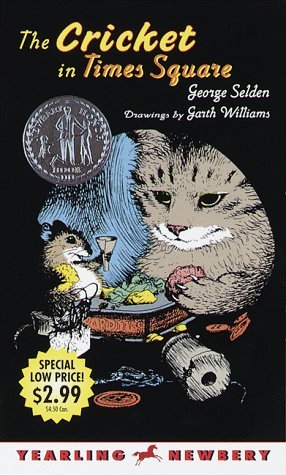
I loved this story of a trio of animals getting by in a subway station. The ingenuity of making use of discarded objects may have appealed to a child with little control over money. Or maybe the characters foreshadowed my future cat fancy.

4.
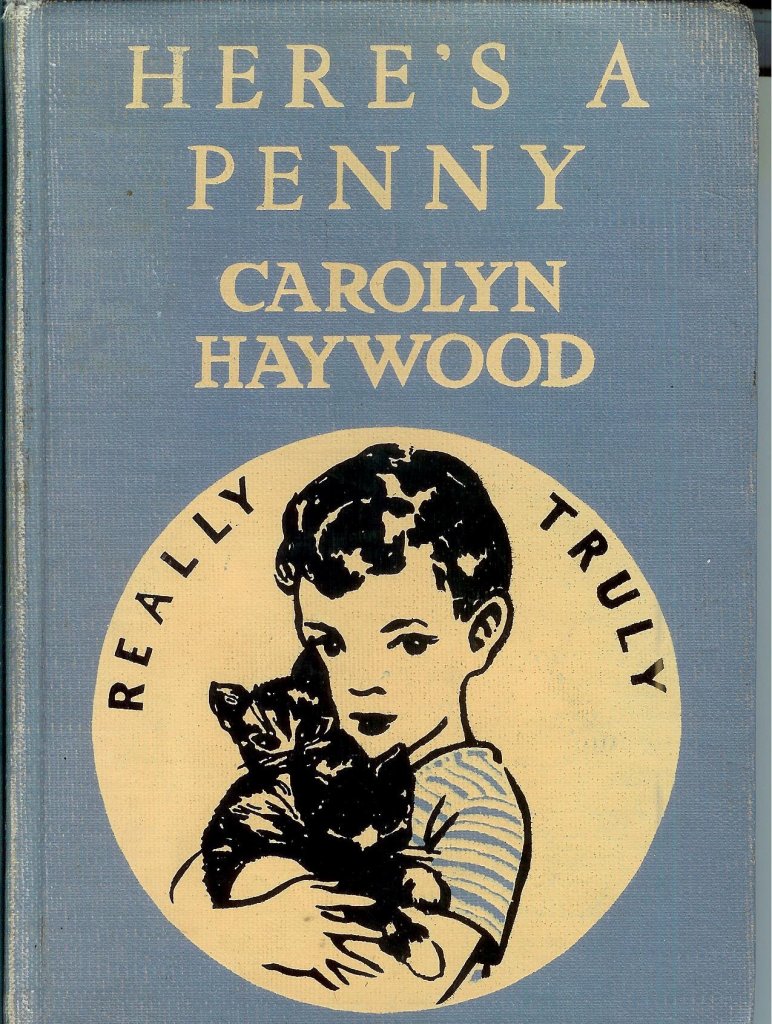
Like Beverly Cleary, Carolyn Haywood was an author I read multiple times. Her books seemed to place me back in my mother’s childhood, when girls wore pinafores and patent leather shoes. I read a whole slew of them, including this one about a boy named Penny for his copper-colored curls.

5.

I still remember a lot of the songs from this, including the catchy title ditty. Sadly, this is probably banned in some places now because of its blatant challenge to gender norms.

6.
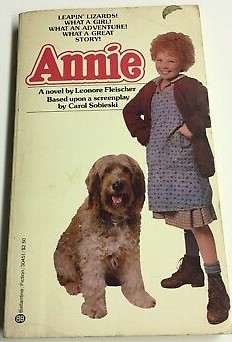
I loved this movie so much that I read the novelization about a dozen times. (Why are there so many orphans in children’s books? )

7.
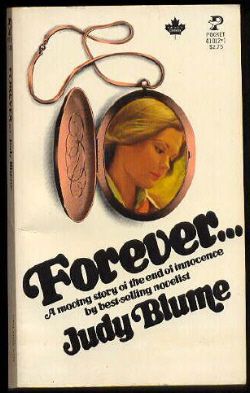
Considering I watched both Dallas and General Hospital for several years before this, it is strange to say that I learned what sex was from reading this classic. And, yet, it’s true.

8.
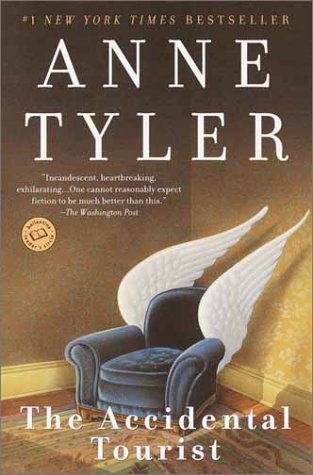
I was not much of a reader during my teen years. There were always books stacked in my bedroom, their covers as familiar as framed photos, but I never read them. All of that changed when I discovered Anne Tyler. I absolutely loved her charming stories about eccentric Baltimoreans. This one enthralled me. (It was also my first experience loving a book but hating the ending. I could never accept Macon and Muriel together. I wanted him to go back to his wife. I was vindicated recently when Anne Tyler gave an interview saying she thought Macon and Sarah belonged together.)

9.
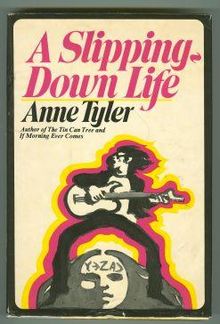
After TAT, I quickly read all the Anne Tyler novels I could find at the library. I loved most of them, including this offbeat story about an awkward girl who becomes obsessed with a Lyle Lovett-like singer. I was slowly realizing that protagonists could be relatable, if I found the right books.

10.

Thanks to Anne Tyler’s creativity, I was soon becoming a more adventurous reader. This story of a May-December romance riveted me with its lyrical writing and New Orleans setting.

11.

Here is a gem I discovered when I lived abroad at seventeen. It’s a hilarious diary written by a naive but bright boy. The British class struggle is brilliantly satirized through this winning protagonist, who means well but rarely comes out on top. (There are several sequels as well.)

12.
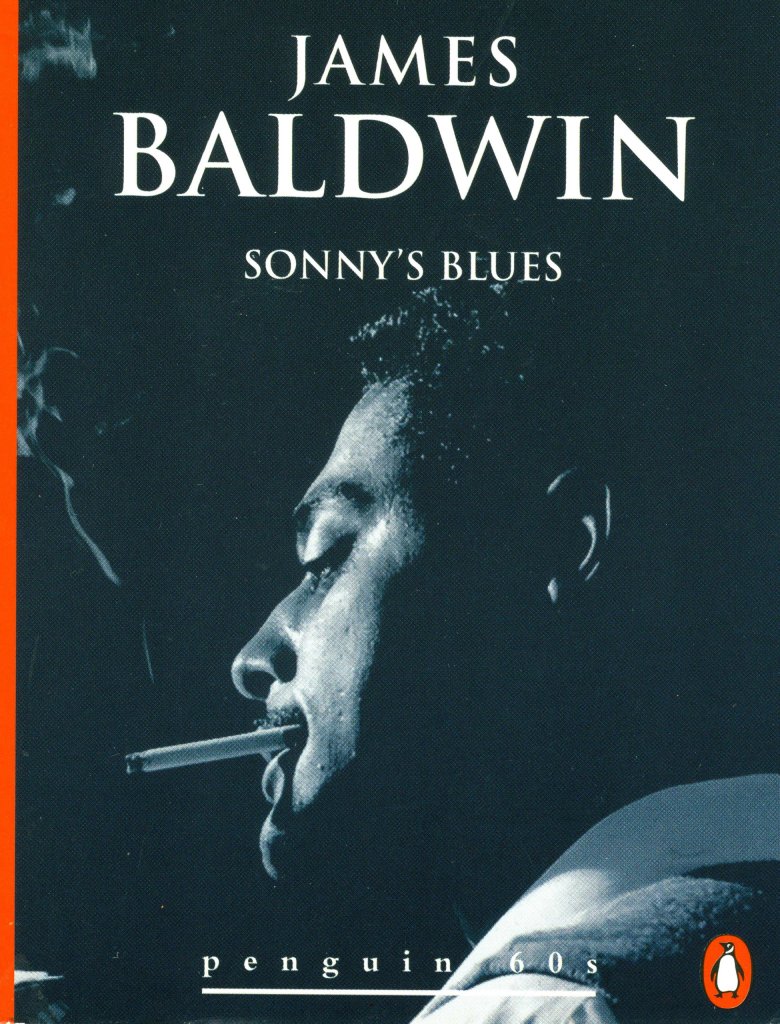
I first read this stellar novella in high school and again in college. I later taught it, too. It captures both the brutality of Black urban life and the miraculous ability to transcend it. James Baldwin is one of the best.

13.

Raymond Carver is another master. I’m sorry I haven’t read him more because his idiosyncratic voice is a pleasure. I do remember reading the titular story in this collection and feeling a bit mind-altered by the blind man describing a cathedral.

14.
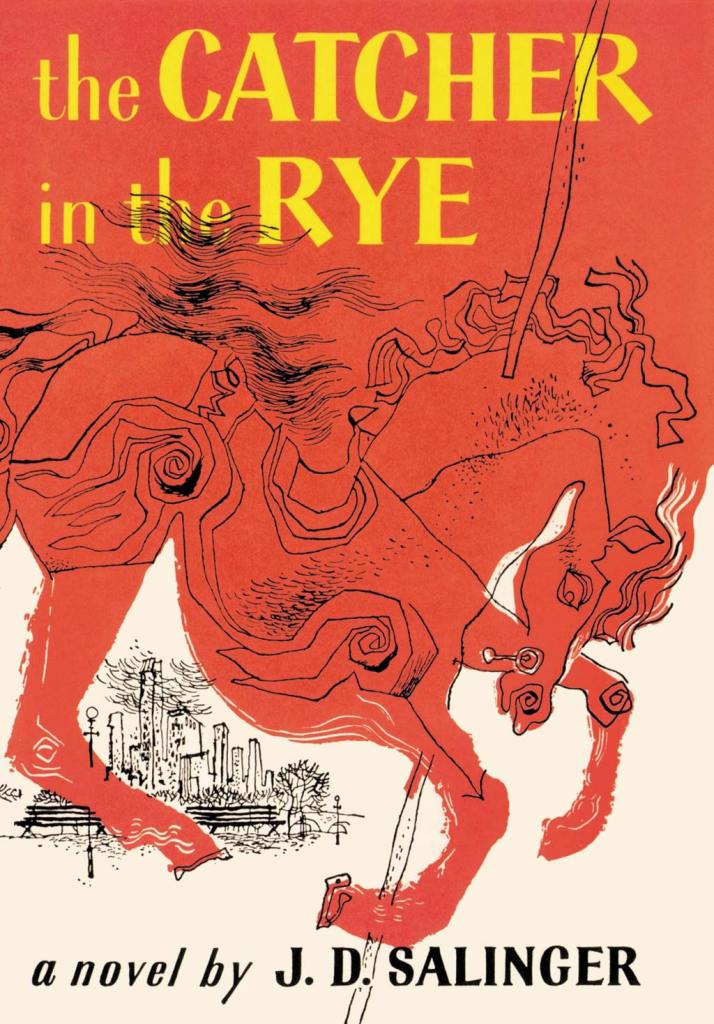
This is such an obvious choice that I almost left it off. I was one of legions of teenagers who felt seen by this story of Holden and all the phonies.

15.

Here is one book that actually did change my life. Reading this saga of the residents of Barbary Lane made me want to move to San Francisco, where I have now lived for twenty-five years. Armistead Maupin captures the magic of the ’70s counterculture. The books (there are six in the series) are kooky and not realistic, but Maupin’s affection for the city made me a believer.
Stranger Things

I have read some peculiar things in books. It’s nothing I ever seek out. I am not a fan of horror or the macabre, where one might expect excesses. Instead everyday books – fiction, memoir, even theology – occasionally offer up some moments for pause.

Here are five that have stuck with me:

1.

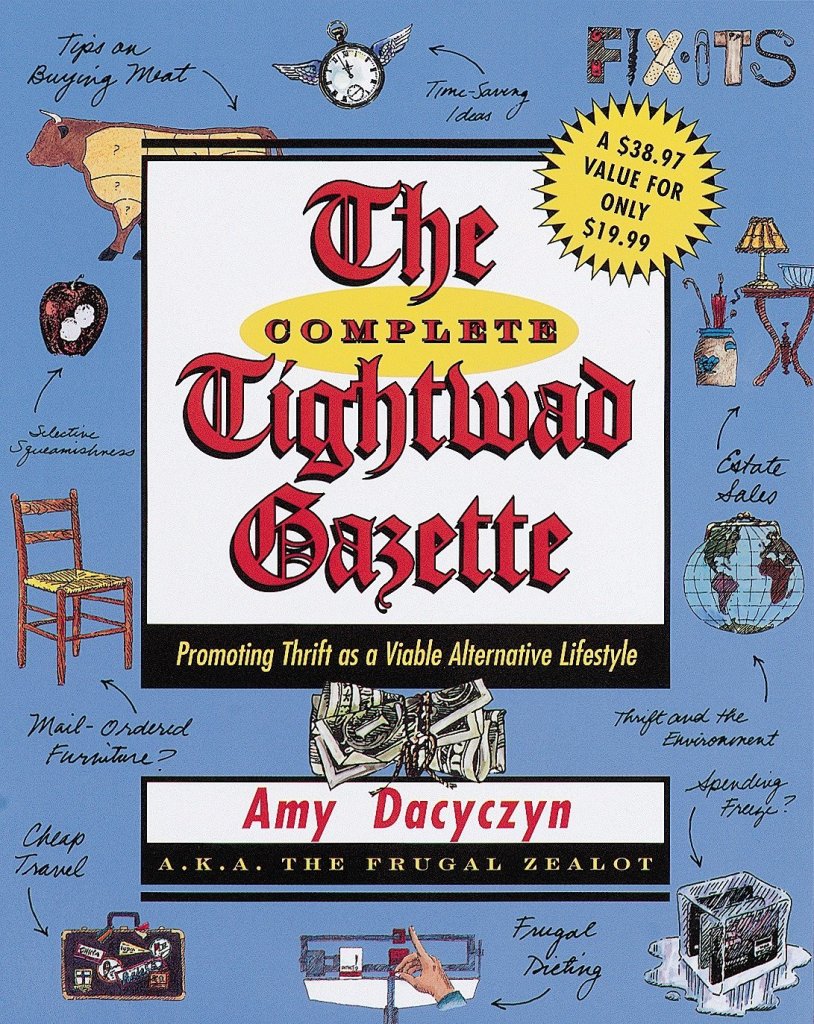
Amy Dacyczyn is a skinflint so extreme that she only eats 1200 calories a day to save money. It works for her: she and her military husband raised six kids while socking away pots of green stuff. Just how far does she take it? One day while out on a walk, Amy spotted a half-eaten apple that someone had dropped on the ground. She picked it up, cut around the bite marks, and made a single serving Apple Crisp for her son (who loved it).

2.

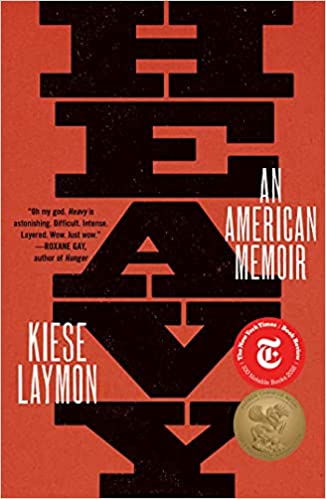
Speaking of weird food moments, there is a scene early on in Heavy in which the author, as a teenager, is visiting a friend’s house. He had designs on a girl who is present, but before anything happens he goes to the refrigerator. There isn’t much food, so he takes a swig of bleu cheese dressing from the bottle. Do people do this? I thought it was vile.

3.

Considering that this novel is about exotic plants and midlife romance, you might expect some magic realism. It went farther than I was expecting, though, when the protagonist visits the jungles of Quintana Roo. Not only is she turned on by a man with a gun, but at one point she gets on all fours and is crawling around the jungle floor like a jaguar. I guess this is all symbolic of something, but it was also pretty out there.

4.

The author was briefly famous for playing an oft-married vixen on a soap opera. After her career waned, she went through a divorce and much spiritual quest work. There is a Shirley MacClaine vibe to most of her explorations, albeit with a sudsy twist. (Example: At a spiritual retreat, she becomes obsessed with a man she just met and is convinced they knew each other in another life. They then get it on within hours of meeting.) One chapter is devoted to the author’s youngest child, Joanna. The author had done enough past life work that she is convinced that her daughter, who is autistic, is a reincarnated dolphin. I’ve read quite a bit in the New Age genre, but that revelation stopped me cold.

5.

Catholics are big on natural law, an idea honed by Thomas Aquinas that states that humans should look to the natural world to understand God’s law. Since the natural purpose of sexual relations is procreation, for example, humans should abstain from artificial birth control. Sex should only ever be about God’s purpose.

This book offers some of the most jaw-dropping bad advice about abstinence that I have ever read. At one point, one of the contributors is giving advice to married couples. How should they resist temptation to avoid an unplanned pregnancy? The priest suggests that when they are feeling amorous, they should think about their children. While in the throes of passion, put a visual in your mind of your darling little ones to kill the impulse.

And that, my friends, is the strangest thing I have ever read in a book.

Legacies

My father passed away recently. He had an idiosyncratic and formidable personality that is hard to capture in words. In some ways, we were worlds apart. But one thing we had in common was a love of books and writing. My dad was rarely seen without a book, often a doorstop-size biography of a president or a chronicle of the second world war. If I had to hazard a guess, I would say he probably read five thousand books in his lifetime.

He also was a prolific writer, completing over ten projects, everything from memoir to thrillers. I had a chance recently to read three of them.

In this work of literary fiction, a young man, Eldon, is hired to replace a teacher who has abruptly quit mid-term. He discovers that the school director is thinking of stepping down and that a senior teacher expects to be the replacement. There is a lot of local color about the parents at the school, including two who are having an affair and one who takes a fancy to Eldon.

I enjoyed this book. There is a nice sense of the characters’ core values and the small town they live in. I can imagine that my dad’s many teaching experiences may have inspired Eldon. What is a greater curiosity are his insights into the divorced mothers at the school. What inspired this? I can only speculate.

2.

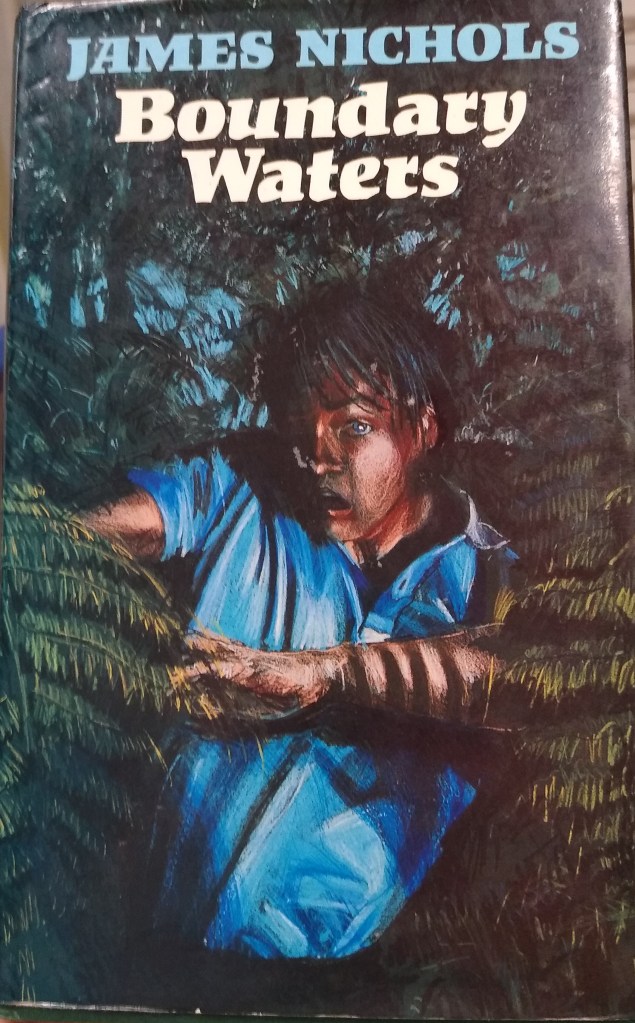
This was my dad’s traditionally published novel, and in some ways it captures his essence. A teenager from St. Louis, Dave, is hired for a summer to work at a lake resort in the Boundary Waters in northern Minnesota. There, he discovers that his new bosses are searching for missing ransom money that was lost in a D.B. Cooper-style hijacking. They have brought Dave in because they need to keep their efforts quiet.

This is the classic innocence-to-experience story as Dave realizes he’s being used and finds a way to get involved. He makes a friend in an aging military pilot and together they form a counter mission.

There is a lot of nice detail about the area. My dad was an outdoorsman who spent time in this area, and there is a ring of authenticity to the action sequences and nature descriptions. I liked the ending, too.

3.

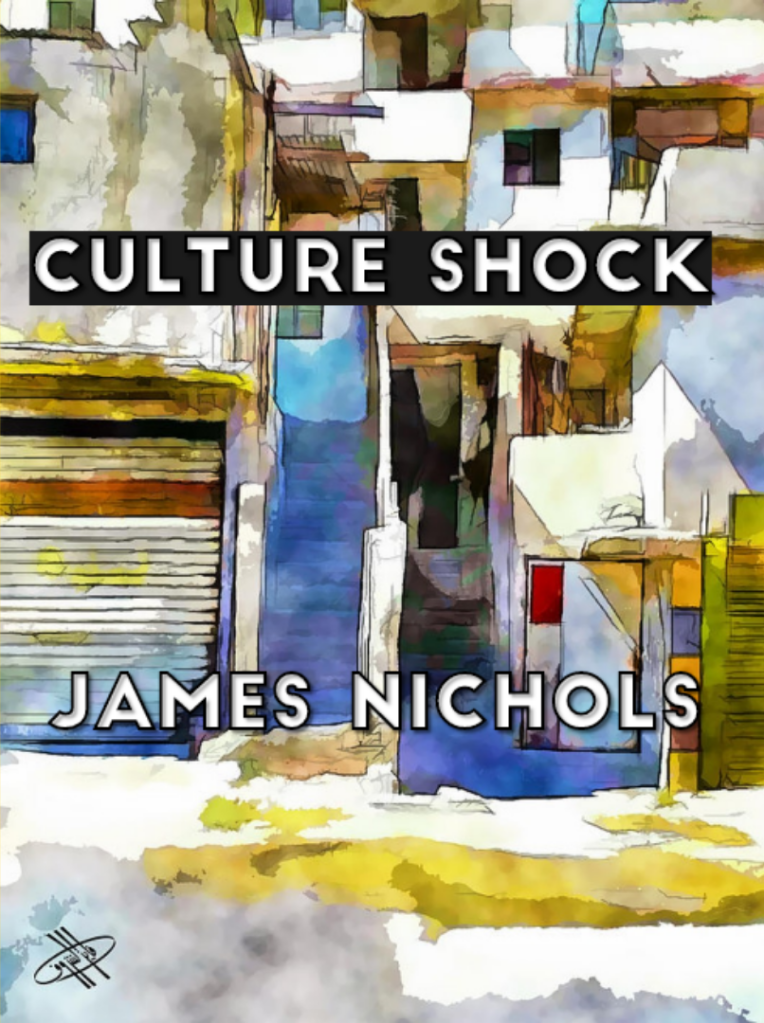
In this work of literary fiction, a widower named Carl Bilden agrees to meet his son, Jordie, in Jerusalem for Christmas. Thirty years before, Carl and his wife Cora spent a year in nearby Amman and Jordie is curious to see the place where he was born.

The narrative flashes back to 1967 when Carl and a pregnant Cora have arrived in Amman. They are befriended by another teacher and his wife who live next door.

There is a good sense of setting. Bedoin families camp near the Bildens’ flat, stealing water from their hose. Carl navigates the hectic traffic to visit his favorite grocery store, where he is greeted with a cup of coffee and a chocolate. (If you knew my dad, he would have loved such a place.)

What is interesting are the parallel plots of Bob, Carl’s teacher friend, and Jordie. These are composite characters, and yet there is a distinct feeling that this is autobiographical and reflects my dad’s evolving views.

This is one of the pleasures of reading these books: in addition to the literary conventions and entertaining stories, occasionally bits of my dad peak out, like rays of light through a billowy cloud. His perspective and values are preserved in his writing.

Mixed Messages

I once knew a woman who had no trouble meeting men. At parties she disappeared into dark rooms with attractive strangers, emerging the next morning with a sly grin on her face. In the six months that I knew her, she had no fewer than half a dozen lovers. In my social circle, this behavior was somewhat unusual. Most of my friends either had steady boyfriends or went months or even years without any kind of dating.

What made it especially unusual was that my friend was fat. She had discovered something that many of her peers didn’t know: that there are plenty of men who don’t care about size. In fact, some men prefer larger women.

This was all rather revolutionary to me at the time. Growing up in the ’80s, the only fat representation I saw was on daytime talk shows, where the message was certainly not that big is beautiful. Oprah lost sixty-eight pounds and pulled a wagon of fat onto her stage, declaring with disgust, “I can’t even lift it.” Fat activists yelled and cried on Donahue. You rarely saw fat characters on sitcoms or soap operas. (Roseanne Barr was an exception.) Fat was a problem to be solved, not a difference to embrace. And if you failed at that, no one wanted to hear from you.

Things have changed a bit since then. The current culture seems to fall into two camps: those who believe sustained weight loss is possible and those who don’t. In the first category, people don’t see size as a diversity issue, but rather a condition to be altered. In the second, people see size as something analogous to race: a mostly immutable factor that should be respected and accommodated.

Not surprisingly, the current state of publishing reflects both attitudes. There are dozens of memoirs by people (famous and not) who have lost significant amounts of weight and also memoirs by people (mainly women) who have given up dieting and embraced their size.

Here are a few:

1.

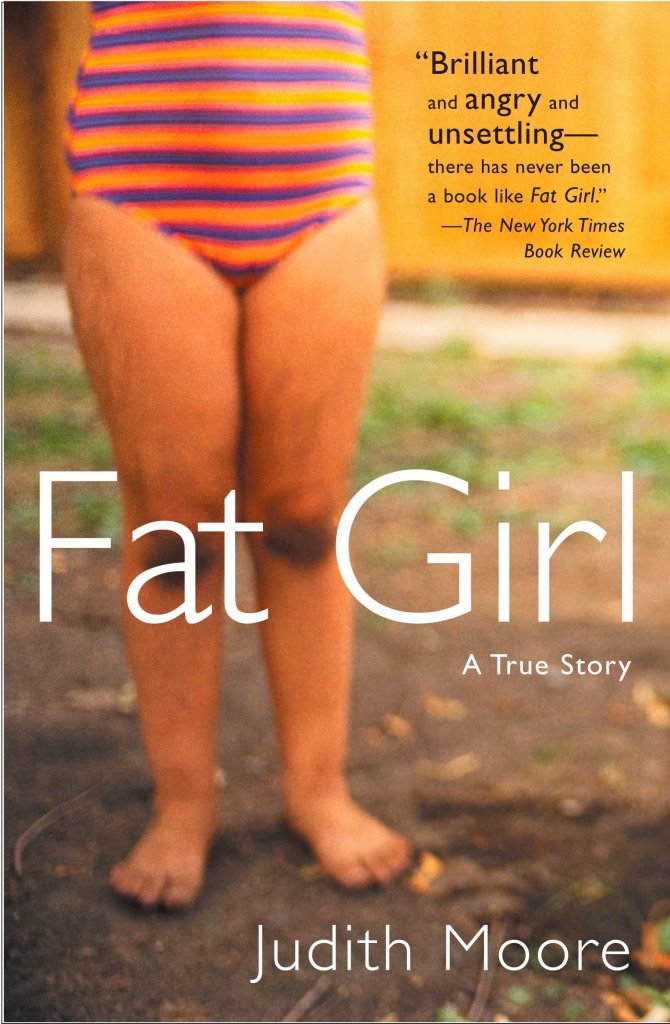
This is one of the better books I’ve read in this middling subgenre, simply because the author refuses to put a positive spin on her life. Abandoned by her father at a young age, she is raised by a bitter, abusive mother who tells her things like, “You have a face not even a mother could love.” Food becomes a saving grace, but never without the price of self-hatred. With its harrowing live-to-tell quality, it belongs in the dysfunctional childhood memoir category popularized by Augusten Burroughs and Jeanette Walls.

2.

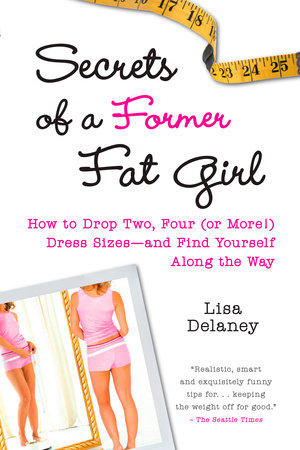
The author, a writer for Health magazine, does little to endear herself to readers by opening her memoir with the line, “You don’t know me, but you probably hate me.” It sets the tone for an obnoxious self-help book that convinces the reader that they can be so-called normal-sized if they just follow her seven tips. The author once hit 185 lbs by eating soft tacos and a pint of ice cream every night. Eventually she changed her habits and has maintained a svelte 117 ever since. None of her advice is new and her competitive appeal to self-hatred is embarrassing. She comes across as the insufferable co-worker who looks askance at your lunch choices.

3.

On the other side of the spectrum, Kim Brittingham has embraced her size and is making no apologies for it. Her memoir is a mixture of cringe-worthy revelations (a phone call to a high school crush is especially ghastly) and ruminations on the mixed messages that all fat people live with. There are some good stories here, such as her recollections of working for an exploitative weight loss company. Unfortunately, though, it lapses too often into blog-style anecdotes that seem tangential and superfluous.

Having read a fair amount in this subgenre, I am often struck by the mediocrity of the category. I look forward to reading a literate standout that plumbs the depths of these issues without engaging in freak-show voyeurism and tired platitudes.

Cheap Applause

Ten years ago, I submitted my first novel to several literary agents. I had worked hard on it – multiple drafts and revisions after feedback from half a dozen beta readers – and was proud of the final product. It was a thrill to get “full” requests – a second step after agents have read a sample and see potential to sell your project to publishers. Getting an agent to read your complete book is not easy.

Nothing prepared me for what came next: a string of rejections with feedback that felt like a kick to the stomach: “not a standout” “too long and slow” (it was a page-turner!) “was not compelled to keep reading.”

The feedback was crushing. I was experiencing a common rite of passage for aspiring fiction writers: the jaded indifference of the publishing gatekeepers. When you spend all day reading manuscripts, and see how rarely even the most surefire projects catch on, the enthusiasm level vanishes.

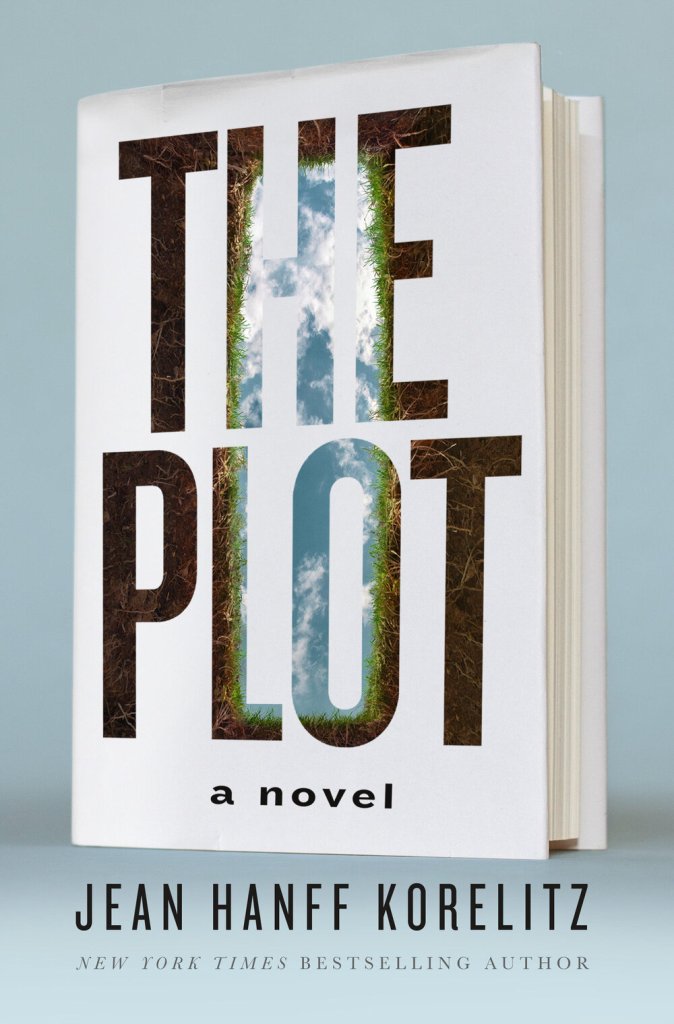
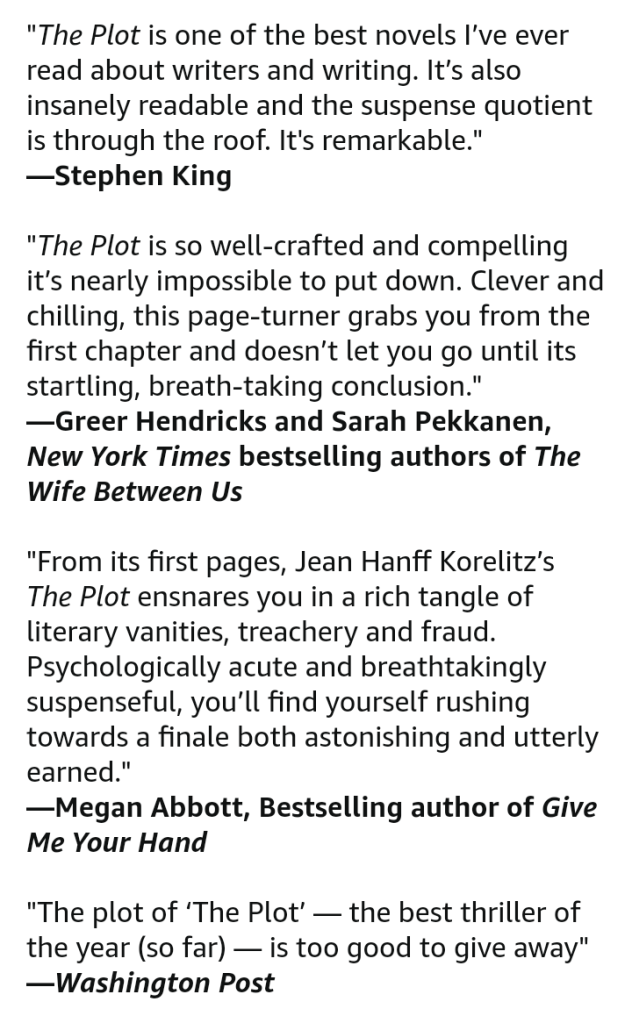
Curiously, the exact opposite happens to an elite core of authors who have friends in all the right places. Their mediocre works are heaped with superlative praise to the point that you wonder if you have read the same book they did. Such is the case for this summer’s presumed blockbuster The Plot.

Here is a sampling of some of the enraptured fans of the book:

It’s amazing how the standards change when you’re on the other side. If a newcomer had tried to sell this manuscript, snooty agents would have pointed out that most regular suspense readers will predict the culprit about halfway through. It’s not difficult to do because there really only are two suspects. They might have pointed out that the plot-within-a-plot is the stronger story and gently suggest starting over with that story as a more central focus. They probably would have said that the ending was too predictable. And a few of them would have raised issues with the core ethical dilemma: is Jake’s infraction really all that serious? And at least one of them might have gamely mentioned the ’80s movie D.O.A, which, ironically, had a similar plot.

These professional reviews clash enough with my own reading experience that I feel like I’m reading the author’s grad school references. Are these all just professional contacts currying favor with a colleague?

Maybe. Or maybe there really just is no accounting for taste. To each their own.

Reading Around The Map: Iran

Books can be a great way to armchair travel. A few hours in the head of a foreign national can tell you about their values, habits, and struggles. This is especially worthwhile when it comes to cultures you will never experience firsthand. Given the ongoing political tensions between the US and Iran, I won’t ever get there. But a few books have given me a sense of it.

1.

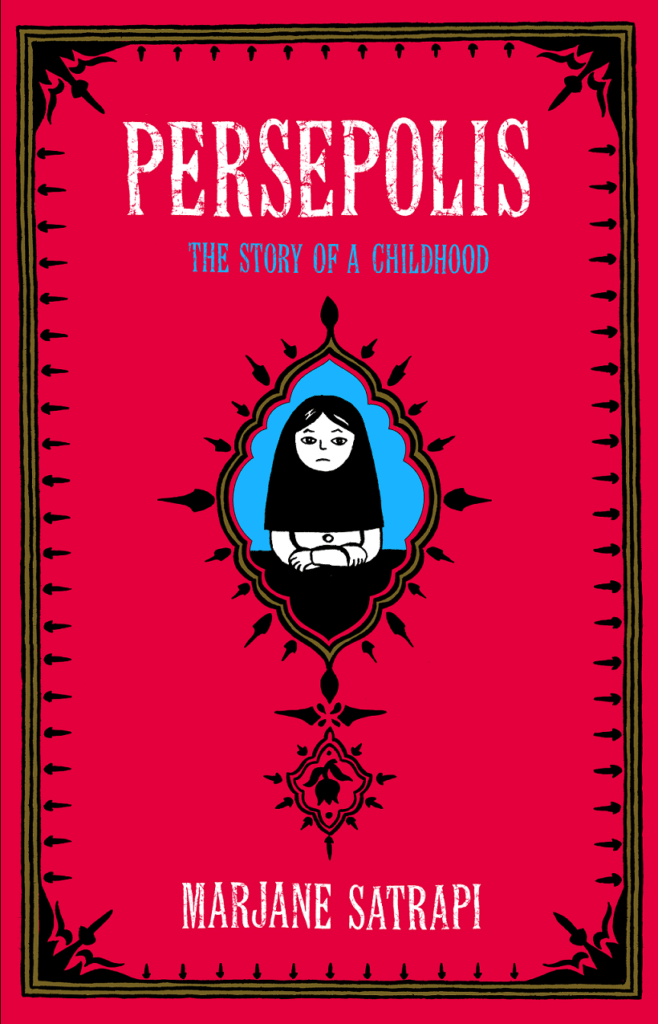
The cover of Marjane Satrapi’s Persepolis says it all: it’s the story of an Iranian girl who lived through the overthrow of the Shah and had to endure the repressive Iranian revolution. Her parents were Marxist activists on the front lines of the resistance and we see these events through Marjane’s growing awareness as she goes from girl to teen. Few things are simple: as a religious Muslim, Marjane respects the veil, but she has also grown accustomed to sartorial choice under modern Iran. All of this is an engrossing story drawn as a graphic novel. I learned a lot about both the political and cultural history of a country I will never visit.

2.

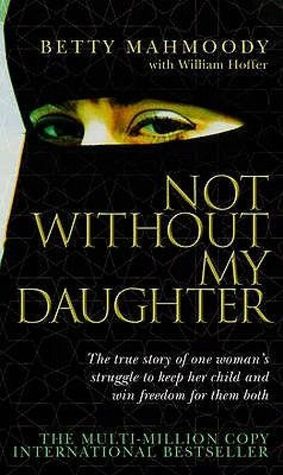
Picking up a few years after Persepolis leaves off, Not Without My Daughter is a harrowing memoir about domestic violence and the ways that Iranian law favors men. After reluctantly agreeing to visit her husband’s homeland, Betty Mahmoody finds herself a prisoner. Her husband seizes her passport and declares that the family will stay in Iran. This is a genuinely gripping premise and as Betty attempts to organize an escape plan, we discover an underground resistance willing to help her escape. Not everyone in Iran is happy with the changes since the revolution and some will assist with illegal border crossing. In a harrowing final sequence, Betty and her daughter are driven to the Turkish border where they must attempt to cross undercover of night. I stayed up half the night turning pages to see if they would make it to the US embassy in Istanbul.

We see glimpses of Iran as Betty is stopped at checkpoints to have her veil measured and in the resistance members she meets.

Persepolis and Not Without My Daughter are two books that both show us a bit about Iran. Both are worth reading.

Ripped from the Headlines

Some books aim for originality while others take a topical premise and explore it in a variety of ways. I think of the latter as “ripped from the headlines” novels. If you watched classic Law & Order, you will remember their tendency to build plots from recent newsworthy events, often switching secondary elements to keep things fresh. Some novelists do the same thing.

Here are three topical books and the events they plumb.

One hot topic these days is wrongful conviction. As DNA testing frees men who have been in prison for years, confidence in institutions wavers and core notions of fairness are challenged. Although a relatively rare occurence — only a small percentage of the incarcerated are ever exonerated — famous cases inspire docuseries and public concern.

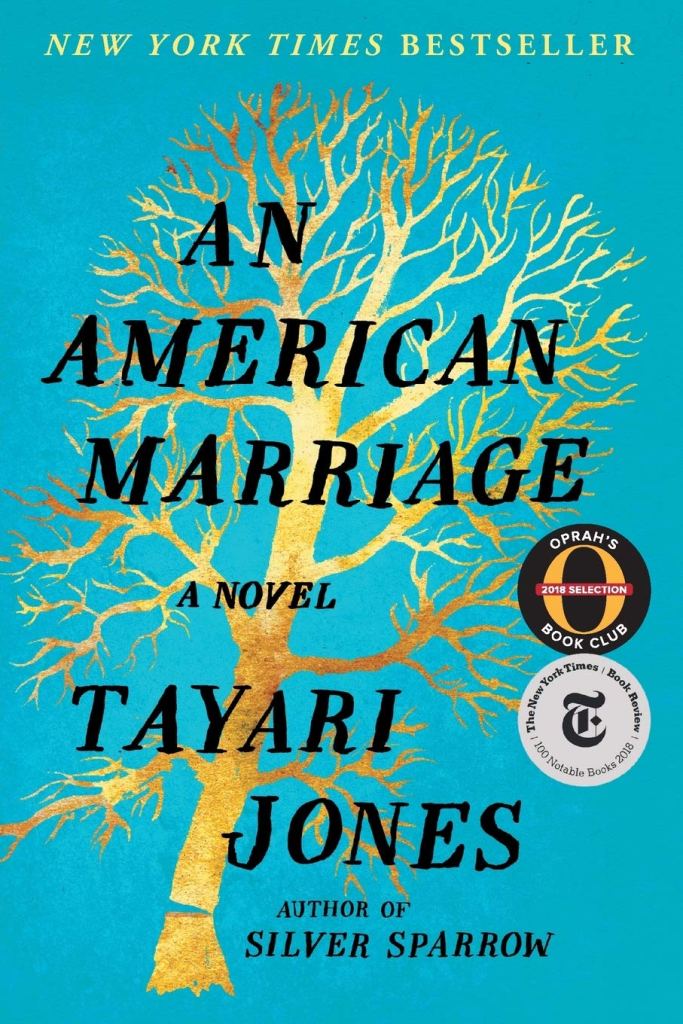
Tayari Jones deftly explores the topic in An American Marriage. Newly married, Roy and Celestial stay in a motel while visiting his parents in Louisiana. After a spat with his wife, Roy interacts with an older woman near the ice machine who is raped later that night. She identifies him as her assailant and he gets twelve years.

While chiefly about Roy and Celestial’s marriage, there is also a dark shadow over the narrative about the indignity of being falsely accused. This is an effective story about an important topic.

2.

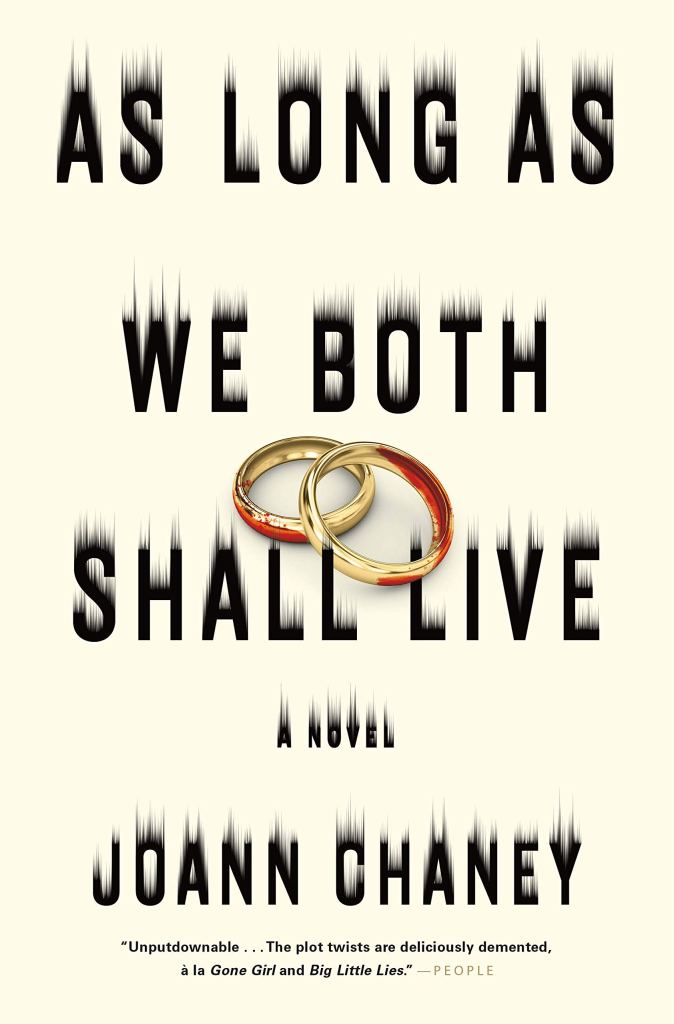
Matt Evans is a successful car dealer living in Denver with his wife and children. One day on a hiking trip, his wife falls to her death. In alternate chapters, we learn a Midwestern detective is investigating a suspicious fire that killed Matt’s first wife.

If this sounds familiar, it’s because a man named Harold Henthorn went to prison under similar circumstances. His first wife died in a freak accident, and years later his second wife did as well. By the second crime, police were paying closer attention.

Chaney takes this bare bones plot and makes it her own. She is one step ahead of the reader, crafting a suspenseful and satisfying story.

3.

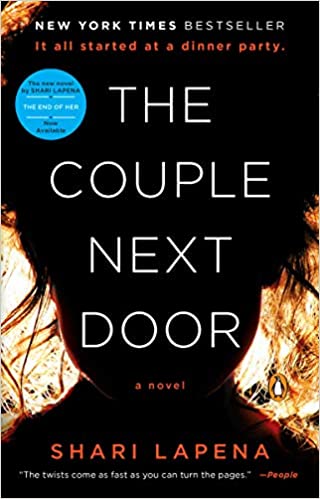
Anne and Marco are an attractive young couple with an adorable baby. Intrigued by their new neighbors, they accept a dinner invitation and leave their daughter home alone. When she is kidnapped, suspicion falls on the parents.

There are some obvious parallels to the Maddie McCann story, including the poignancy of losing a child under these freak circumstances and the judgment that the parents face. Lapena builds tension effectively before going off the rails with a implausible conclusion.

Reading Around The Map: Wisconsin

Setting in fiction is one of those optional ingredients, like walnuts in chocolate chip cookies. While you can’t power a story without a protagonist, there are plenty of novels that give scant detail about the location. You may learn more about the main character’s house than their town. The story may be set in a major city, but you learn little about it.

And, yet, setting can still create a lingering effect. It’s hard to imagine The Bridges of Madison County set in California or The Prince of Tides in the Midwest. Place matters.

With that in mind, I have decided to examine the region of certain books and what, if any, effect they have on the reader.

Despite growing up just a few miles from the Wisconsin border, I haven’t spent much time there. I have met family a few times in Spring Green, a town Frank Lloyd Wright left his mark on. I drove through Madison once, catching a glimpse of the Capitol building. And as a teen I visited Door County, dipping into the water on hot days. All in all, though, it is a region I probably know as well from books as from lived experience.

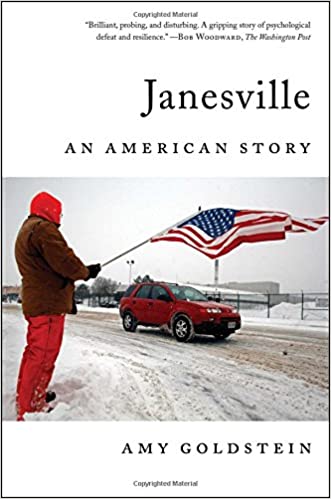
In 2008 candidate Barack Obama visited a Janesville GM plant, looking to shore up the blue wall. Things were dire: the plant had just announced that it was shutting down, taking thousand of union jobs with it. Hometown boy Paul Ryan (and later Obama political rival) was bereft: this company was the backbone of the community. Residents braced to give up $28/hr factory line jobs for whatever else was available. This is the kind of Middle American town that politicians love because the bedrock Christian values dovetail nicely with political posturing.

There is a strong sense of place throughout the book that rang true to me as a native of the Midwest. At times I was reminded of my hometown just over the border and a certain congenial grit the region is known for. I have no way of knowing how accurately an outsider journalist captured the natives, but it seemed about right to me.

2.

Wisconsin farm life is vividly depicted in Jane Hamilton’s excellent A Map of the World. The protagonist, Alice, lives on a farm with her husband Howard and their two little girls. As the story opens, Alice hears a siren screaming out over the land, not knowing that it is the last time she will hear the sound without thinking of her own tragedy.

There is a feeling of the area in the prose: the vegetables, the dirt, the butterfat. Alice’s stoic personality also seems right for the location. I don’t know that this novel couldn’t have been set elsewhere in the Midwest, but it’s hard to imagine it anywhere else.

3.

Although a good portion of this novel is set in New York, the catalyst events are distinctly Midwestern. Carrie has spent her entire life in Madison, getting engaged to her high school sweetheart just after they graduate college. Carrie is ambivalent about her recent choices. Just when she is considering breaking up with Mike, the titular tragedy leaves him paralyzed. Carrie’s desire for freedom is complicated by her obligation.

The events around the dive – friends socializing on a pier- reminded me of my own high school years, specifically the lead up to graduation. When the spring breaks, there is a distinct feeling of optimism in the air. The physical location, including the weather, add to the tragedy.