Many great books touch indirectly on abortion. A masterpiece like Random Family depicts the gritty reality of urban poverty. The main character, Jessica, has three children by the time she’s nineteen, often leaving childcare in the hands of her mother or her queer friend Milagros.
Implicit in this story is the burden that motherhood casts. Jessica wants a way out of her life but being a mother is a considerable obstacle. Her children’s needs are not being met. Where might she be without them?
There are others that deal with the issue more directly. It may be a fluke of my reading habits, but I have yet to read a truly great work that has abortion as a central focus. Instead here are three middling efforts and my thoughts on them.
1.
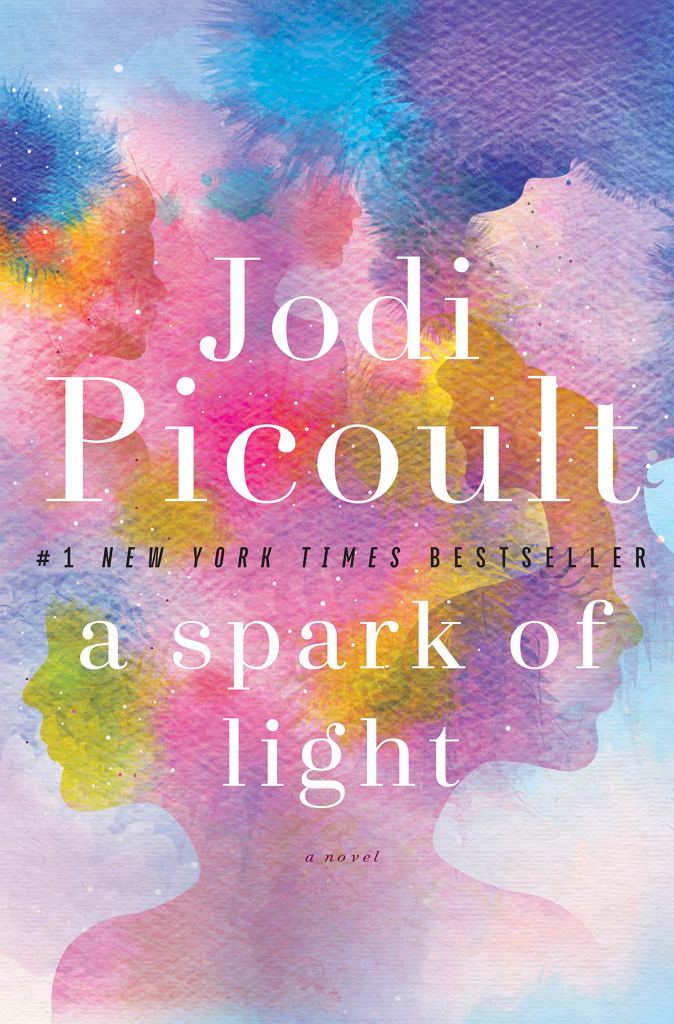
This story depicts one day in the life of an abortion clinic. A zealot has taken a group of people hostage: a doctor who is a Christian, a caring nurse, and the teenage daughter of the police negotiator who is barricaded outside. The various lives at risk intersect as we slowly understand the terrorist’s motives.
The plot is well-crafted and the pace gripping. The characterization is solid. Unfortunately, though, the author chooses a nonlinear structure that gets in the way. Nothing is gained by telling the story backwards. I ended the book wishing I could could reassemble the chapters.
2.

“We met outside an abortion clinic. The girl was standing up, about to walk inside. I was in front of her, lying down. I had gone there with some friends from church. The Conscience Squad, we called ourselves.”
This is a love story of sorts. Weaver Walquist is a lost soul who is active in a right-wing abortion protest group. He meets Kim, a poor college student with few options, and sees it as his duty to talk her out of terminating her pregnancy.
As it turns out, Weaver is the one with some growing up to do. His vulnerability to extremism clashes with his feelings for Kim. As he moves towards her, he begins to understand the idea of privacy.
I liked this novel. It is well written with vivid characters. It’s ultimately a minor story, though, because Weaver is so behind the curve. He is a child who grows up.
3.
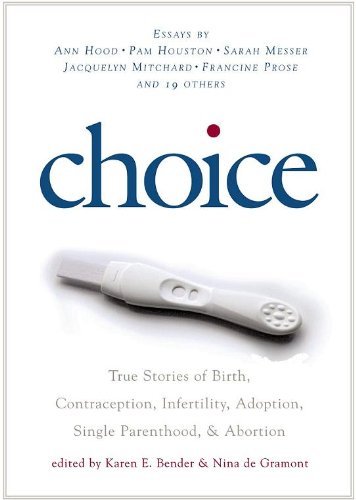
The many faces of a single issue are laid bare in this collection of short essays. Jacquelyn Mitchard’s experiences with a gestational carrier kick things off before the stories settle into more familiar terrain. As is often the case with single subject essays, different voices have a different impact. While I appreciated the scale, it also got repetitive by the end.
 Books Smitten