Intimate partner violence has been topical lately. COVID lockdowns saw incidents rise, as stressed out couples turned on each other. Johnny Depp’s defamation trial against ex-wife Amber Heard raised the issue of so-called mutual abuse and the awareness that men can be victims too. The excessive attention on that trial skews statistics dangerously: in fact, 85% of domestic homicide victims are women or girls. Only fourteen percent of men experience IPV while thirty-three percent of women do.
When we look to the book world, the topic has been explored with varying degrees of success. Here are three titles that feature IPV.
1.

A rare achievement in memoir, this title lays bare the complexities of abuse between women. The language is pure poetry. Look at all she does with just a brief mention of her roommates:
“When I first met John, he said to me, “I got a tattoo, do you want to see?” And I said, “Yes,” and he said, “Okay, it’s gonna look like I’m showing you my junk but I’m not, I swear,” and when he lifted the leg of his shorts high on his thigh there was a stick-and-poke tattoo of an upside-down church. “Is that an upside-down church?” I asked, and he smiled and wiggled his eyebrows—not lasciviously, but with genuine mischief—and said, “Upside down according to who?” Once, when Laura came out of their bedroom in cutoffs and a bikini top, John looked at her with real, uncomplicated love and said, “Girl, I want to dig you a watering hole.”
Queer love has only recently been explored in books; that is something it shares in common with intimate partner violence. There is also a legitimate question of who gets to tell the stories. Carmen Maria Machado is the real thing.
2.

On the other end of the spectrum is Anna Quindlen’s best-seller, an Oprah pick that was made into a movie starring Mary Stuart Masterson. It has a Sleeping With The Enemy plot, with battered wife Frannie escaping with her son and living with the slow burn tension of her abuser’s inevitable reappearance.
I don’t know Ms. Quindlen’s personal history, but I remember disliking the story and wondering if she were merely exploiting a serious topic with an ethnographer’s eye. I didn’t find it authentic. There are better books and better writers.
3.
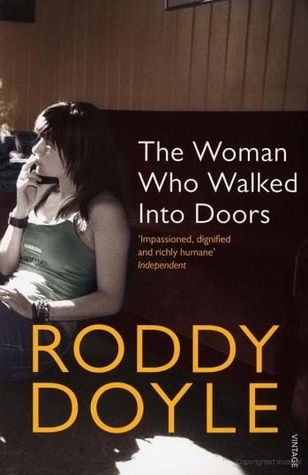
I have yet to be compelled by the contemporary Irish writers. I haven’t cracked Sally Rooney, either of the McCourts, or Anne Enright. I even – gasp! – don’t love Tana French.
One exception thus far is Roddy Doyle. I enjoyed The Commitments movie and read this short novel about Paula Spencer, a likeable protagonist who endures physical abuse and alcoholism. It’s not hugely memorable, but is another voice in the Canon of intimate partner violence.
 Books Smitten