Atheism is nothing new, but in the years since 9/11 a plethora of new writers have occupied best-seller lists with polemics about the dangers of theism. Although the real concern may be irrational fears about Islamic terrorism, often these books take aim at Christianity much more fiercely than other Abrahamic faiths.
Publishing is nothing if not a bellwether, and the success of these books shows a societal interest in the root causes of political violence. This is possibly excessive concern, as casualties from terrorism are statistically unusual. There is also the not insignificant task of separating religion from politics. Are beliefs causing problems, or would the problems still occur without any organized thought behind them?
Here are a few authors who have embraced atheism as a social solution, starting with a work that may have inspired them.
1.

If you talk to a serious atheist, chances are they will cite Bertrand Russell as a hero. In this famous work, the Cambridge don crystallizes his logical argument against theism.
Among the tenets is the first cause theory. In short, it states that in order to believe in a creator God, it must also be true that God was himself created.
He is also not convinced that Jesus of Nazareth is the highest example of humanity. For one thing, he believed in Hell, a morally problematic idea of eternal punishment. He also inaccurately predicted that the end of the world was nigh.
In Matthew 8:28-34, two demon-possessed men confront Jesus, who casts out the demons into a herd of swine who then drown. Russell points out that, by making this miracle, Jesus had destroyed the livelihood of innocent shepherds and killed animals who did no harm. Is this a perfect man?
There is much more to this famous essay, but the main point is that philosophy and moral thought do not support the existence of God.
2.
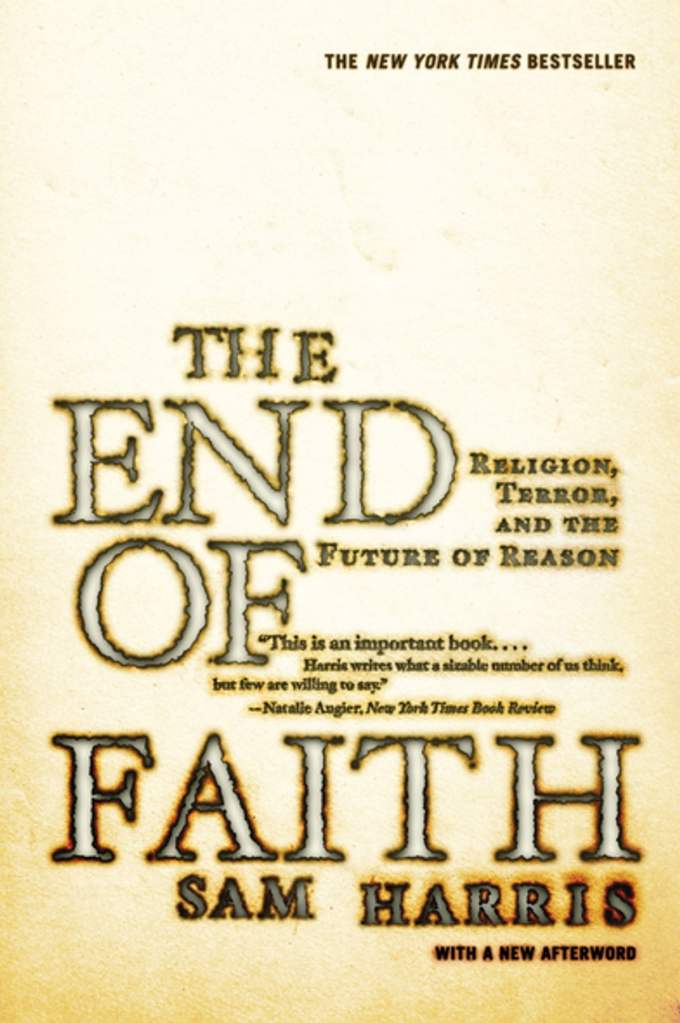
More recently, an uglier invective has entered the debate about theism. Sam Harris became a media figure after the release of this work in the mid-aughts. In it, he champions science and reason over theology. He offers multiple examples of Christian violence throughout history. Harris is convinced that the absence of religion will make the world a better place.
While there is no moral argument in favor of the atrocities of colonialism, the existence of nontheistic genocide does raise issues of correlation vs. causation. Figures like Stalin, Pol Pot, and Mao murdered without a religious motivation. It is possible that organized violence is not a result of religious indoctrination.
Harris comes across as a know-it-all with an ironic lust for power. It will be a great day when more unbiased voices dominate religious debate.
3.
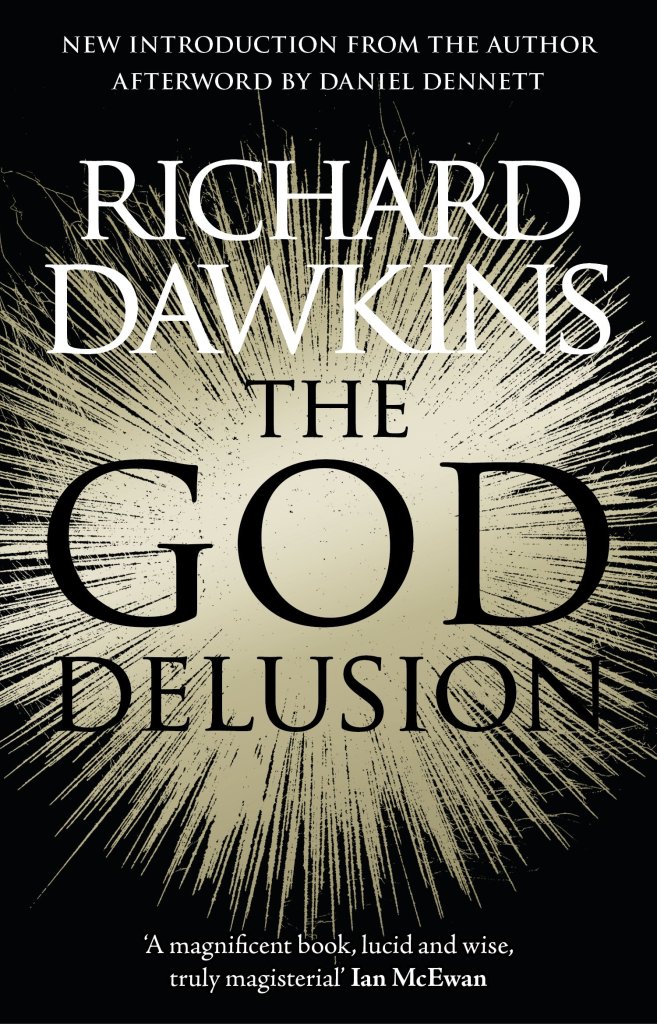
Richard Dawkins has an evangelistic zeal when it comes to the cause of atheism. He states outright that his goal with this work is to convert readers to his belief in the supremacy of science and the dangers of faith.
Dawkins believes that all mysteries will eventually be explained through scientific discovery. Religion stands in the way of reason. He spends one chapter giving a pedestrian analysis of the God of the Old Testament and the rest of it explaining topics like natural selection.
The danger of theism, he states, is that believers are unwilling to hear new evidence if it conflicts with their existing dogma. This is the key difference between a scientist and a religious person. A secular mindset is open-minded and not threatened by new information.
Dawkins is more academically compelling than Sam Harris but no less irritating. All three of these works grate with self-satisfied certainty. The reader is being mansplained from the page.
It’s funny that none of them raise the possibility that the patriarchy, present in both religious and secular societies, may be the more likely cause of social problems. Perhaps their social location as privileged white males makes this difficult to see.
 Books Smitten