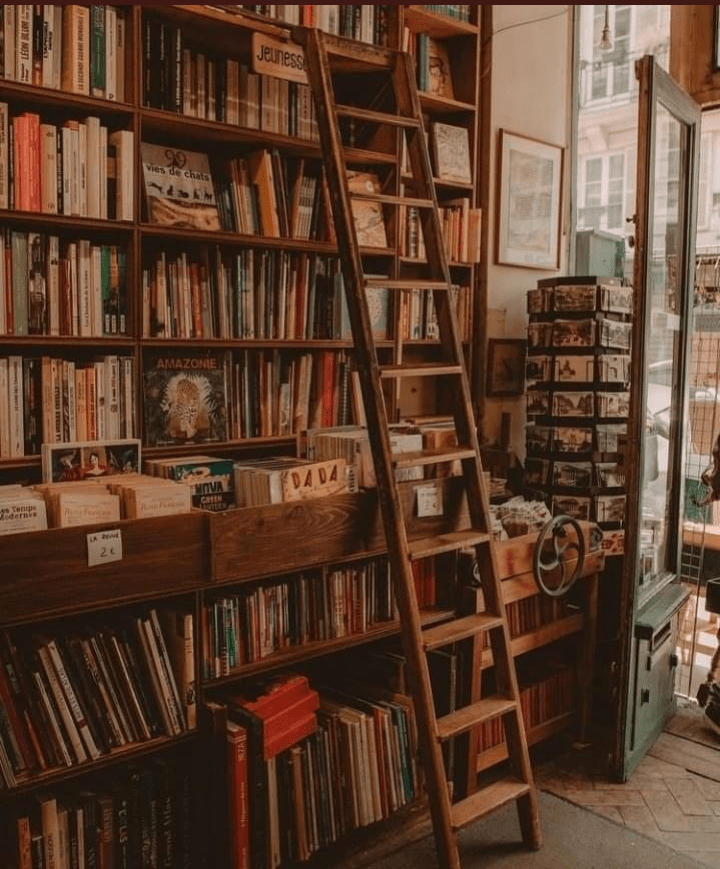
Online browsing is such a fundamental of life that it is easy to forget its predecessor. If you are fifty are older, chances are you spent your foundational years discovering books by wandering at leisure through book stores and libraries.
These things still happen, but they have become more antiquated. Indie bookstores have slowly disappeared, and libraries (at least in major cities) now vie with bus stations as temporary shelters for the homeless. The Vegas colors of the Internet pull people in and amount for the vast majority of bookselling and marketing.
I’m not here to lament the last days of indies. Other bloggers can do that. But I do ask you to consider the differences between online and in-person browsing.
You have doubtless had the experience of being stalked online. It happened to me recently when I began seeing post after post about a medical condition I was diagnosed with. I thought it was a strange coincidence until it occurred to me that I had my phone in my bag at a recent doctor’s appointment. Our phones surveil us, like Norman Bates looking through the peephole.
A similar thing happens when we read a book. If we buy it online or log in on social media sites, the algorithms do their work to steer you to similar content. Read a suspense novel? They’re on it. Soon you will be seeing paid advertisements in your feed for similar books and authors.
It’s very particular, too. I have relatively limited tastes. There are entire genres I don’t read. And the less I Google them, the less I hear about them. There are entire pop culture phenoms I know nothing about because algorithms think I don’t care.
In-person browsing is not like this. Sure, publishers pay money for keen placement, just like food companies do. It’s never a coincidence that big house titles come into view first in stores: the marketing departments have handed over percentages of their budget to guarantee visibility.
But algorithms create the equivalent of a pushy bookseller. While browsing at a store, I would have no time to discover new voices if a sales assistant were waving at me with another, similar book. That’s what algorithms do, and it works. But by keeping you focused, you are missing out on other things.
With all of this in mind, here are three books I probably never would have discovered if I didn’t still browse in-person.
1.
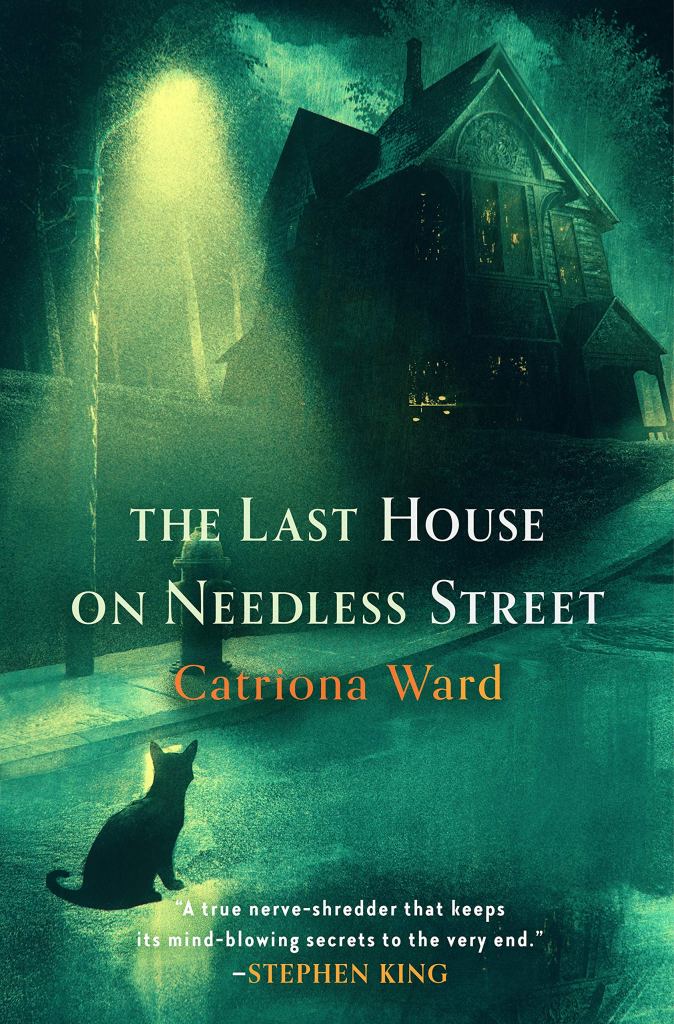
Not only did I thoroughly enjoy this story, but it’s also the first horror novel I’ve read. I recently spotted it in a coffeeshop that sold books. I confess it was the cover that called to me: creepy house with a cat? Sold!
Reading this, what comes to mind is Hitchcock’s iconic Norman Bates. Ted is a lonely man with a cat named Olivia and a daughter, Lauren, who visits occasionally. Something seems off about him: he loses time, has visions of his late mother, and is scarfing pills provided by a therapist. Women seem to be going missing. Meanwhile, Olivia gets locked in an unplugged freezer every time Lauren comes over. It’s hard to tell what is real until the different threads coalesce into a powerful conclusion.
So glad I crossed paths with this book.
2.

This excellent novel is marketed as dystopian YA, two genres I read sparingly. I had never heard of it until I stopped into a bookstore in June and found it amongst a Pride display.
Aaron is a teenager in the Bronx, spending time with his girlfriend and recovering from the shock of his father’s suicide. He hears about a company called Leteo, which offers memory alteration. Aaron is attracted to men, which his father couldn’t accept. Maybe treatments can help Aaron forget about men?
This is a troubling story about self-hate, told in a mind-bending way. It imagines something that is disturbingly plausible, as there are obvious parallels between Lateo and conversion therapy. May we never get to this place.
3.

There was a bookstore on Clement in San Francisco that had an undeniable charm. The bookseller, before offering a recommendation, asked for a patron’s three favorite books. It was from this process that I discovered Mrs. Kimble, an engrossing novel about a man with three different wives. Each section is told from the perspective of a different woman and through their secrets and vulnerabilities, you see the enigmatic Ken Kimble for who he is.
This is the kind of literary experience I long for. I probably wouldn’t have had it without the late and missed Thidwick Books.
 Books Smitten