Some readers have a preference when it comes to narrative voice. The first person is intimate but limited, like listening to one side of the story. The third person is more expansive, like hearing multiple sides of the story from a more objective source. Some writers use multiple first-person narrators, a bridge of sorts between the two.
Every once in a while, an author tries something different. The unreliable narrator became a popular device for a stretch starting in the 2000s. Readers who had been conditioned to trust the voice were suddenly thrown for a loop by literary liars. When that got old, Gillian Flynn introduced the unreliable journal. In Gone Girl, the reader is misled by a dead woman’s diary, thinking that it provides clues into the violent marriage that ended her life. When it turns out that parts of it are falsified, the story turns on its head. Several authors have taken up this conceit since then with both journals and letters.
There are a few other voice tricks that have surfaced. Today I look at three and how well they work.
1.

There are four narrators of this story: a lonely man, his teenage daughter, a suspicious neighbor, and a lesbian Christian cat. Hay? When I first turned to Olivia’s section, I was skeptical. Do I want to see the events through an animal’s eyes? As I read, though, it became clear that Olivia provided the most objective view on the events. When her loving master Ted locks her in a freezer, we know something is off. When she pines for the lovely tabby outside, we realize how confined she is. And when she knocks over the Bible to read a verse, we may have our first clue to unraveling this most peculiar of mysteries.
Needless Street is one of the best books I have read in a long time. Through her different narrators, the author weaves a story that is spellbinding. The character you think of here is Norman Bates. Hitchcock would be both proud and possibly humbled by this update.
2.
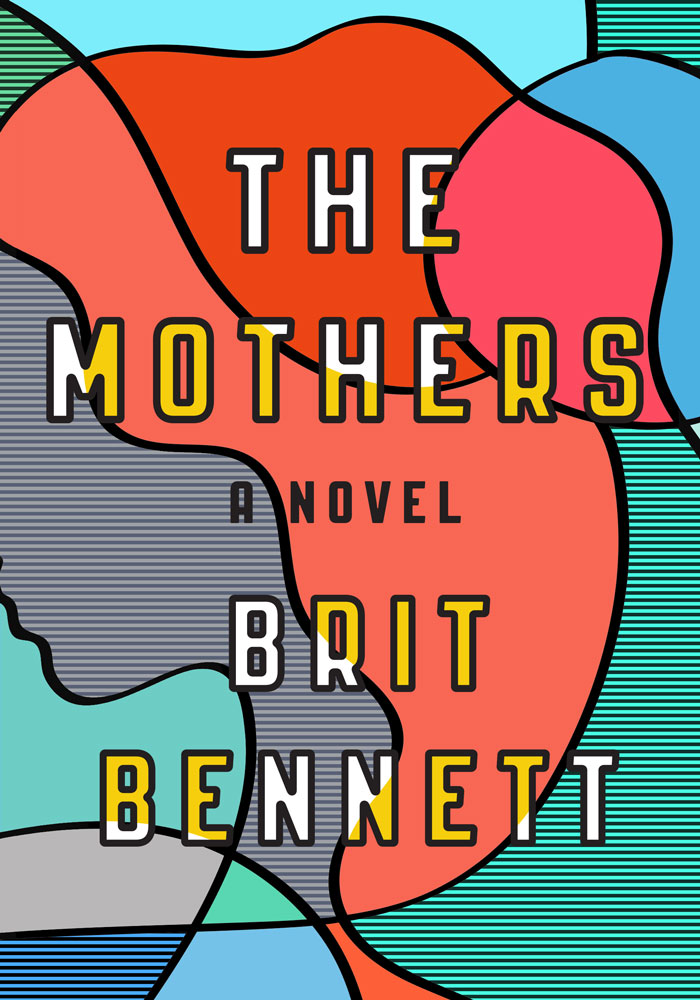
Nadia and Luke fall in love as teenagers. They face obstacles that separate them and twists of fate that bring them back together. What is unusual about their story is that it is told by a collective voice, a group of church women who are observing the events. It’s a curious choice that works well. The Black church has been a strength in struggling communities. Having church elders observe a fledgling relationship creates a sense that others are invested in the success of a particular couple. A Black teenager facing abortion is a community issue, as it raises issues of eugenics.
This is one of those devices that could have failed in its execution but somehow doesn’t, creating a slightly ineffable story that is hugely compelling.
3.
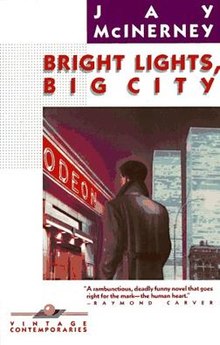
The ’80s are a peculiar time in literary history, the last hurrah before the brutality of the death of the midlist author. At the start of the decade, it wasn’t too difficult to get fiction published, in part because we were still a three-channel culture with more leisure readers. All of that changed with cable TV. Soon legions of authors were having contracts slashed and the big houses were going for a star system.
Enter Jay McInerney, an obnoxious example of crass literary pretention. He embodied a certain type of prep school excess, including an overconfidence in his skills as a new voice.
Who else would have attempted to write a novel written in the second person? Throughout the story, the reader is addressed directly (you are not the kind of person who flies to Las Vegas with blow in your jacket pocket) as if the story of a White libertine on a bender is somehow universal.
I really have to laugh that the big houses thought this was an important story, when in fact it is a tired story of privileged excess, topped by a cringe-worthy scene in which the protagonist breaks bread in the morning light. The fact that the great Raymond Carver endorsed this just shows that cronyism was alive and well in the decade of shoulder pads and insider trading.
 Books Smitten