I once attended a publishing panel featuring YA authors of color. The general vibe was downbeat, which can be expected from any discussion of fiction. Nearly 90% of first novels don’t get published, and those that do often make less than 10K for the author. It is a tough industry with a star system that favors an elite few.
It can be especially hard for writers of color. Most of publishing is White and the preferences favor anything that can sell. As one author said that day, “My rejection slips make clear that all anyone wants are books about gangs, guns, prison, and poverty.”
What is especially shameful about this is that for many people reading is aspirational. A trans kid finds a book talking about Indigenous two-spirits and realizes that not all cultures are narrow-minded. A new mother struggling with depression reads a memoir that makes her realize she is not alone. A poor kid reads about a favorite athlete who was bullied by teachers but didn’t give up on his dream.
In seeing how things can be, reading creates hope.
I’m happy to see that YA has branched out a bit since that day in the ’90s when I sat at that panel. Here are three YA books that inspire.
1.
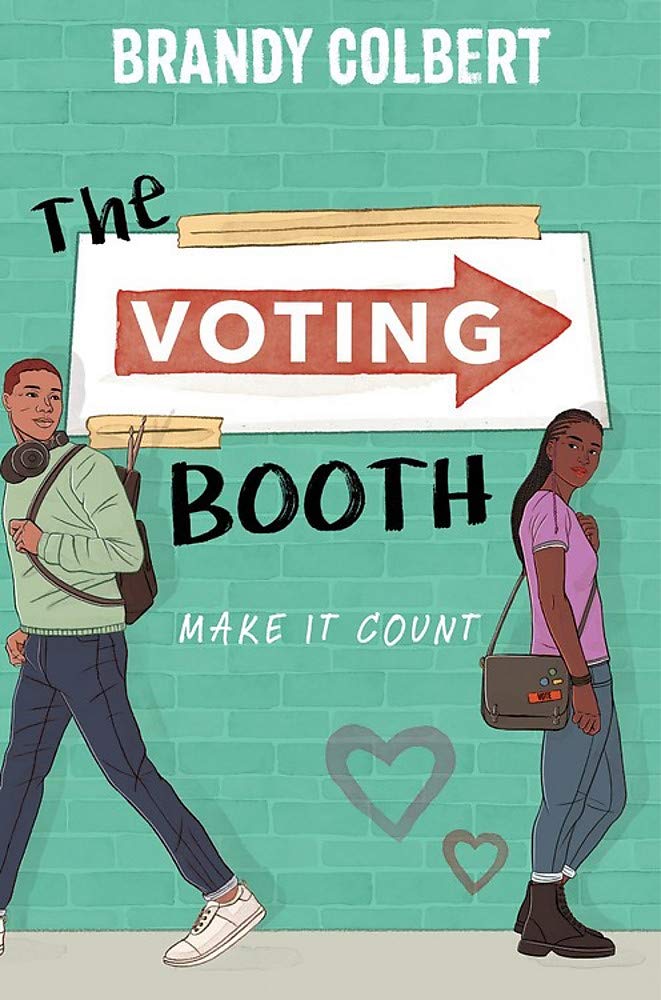
Marva wakes up giddy on Election Day. She is passionate about voting and today is the first chance for her to use her voice at the voting booth. While there, she meets Duke, an ambivalent voter pressured by his mother to show up.
When Duke discovers he is not registered, a single-day narrative unfolds in which Marva helps him achieve his goal. In the process, we learn about voter suppression and voting blocks. (Nearly 90% of Black women vote.)
Marva’s White boyfriend thinks voting is pointless, but his apathy underscores the role that privilege plays in democracy. Her passion is an inspiring story about women’s strength.
2.

Jordan Banks is the new kid at his nearly all-White school. He aspires to be an artist, but first must navigate the caste system at school. His White teacher asks him, “Why are you so angry?” His response: “You seem more upset about my anger than the forces that are causing it.”
This isn’t just about racial issues, but also an uncomfortable reminder of the power dynamics in any middle school. Some friendships form, including unlikely ones, and there is ultimately a hopeful note about being yourself.
3.

Jerome is dead, the victim of a racist cop. He hovers around his grieving family, witnessing the trial that will decide his assailant’s fate. He is visited by the cop’s dead daughter and a boy he doesn’t immediately know. When the boy explains that he was murdered in Mississippi for being too friendly to a White resident, we understand that he is Emmett Till, a teenager whose death galvanized the Civil Rights Movement.
There is an ineffable quality to this story in which the ghosts grapple with racism. Their jobs will be done when not one more unarmed Black kid is murdered. Although the topic is heavy, there is hope in their mission.
 Books Smitten