Books are often divided into two categories: serious and fluff. And readers will often align with either camp, touting the virtues of either. It is essential to be well-informed and empathetic, says one side. And the other: I get enough reality just by getting out of bed every morning.
The matter is complicated when the issue of representation is added to the mix. Some communities are struggling to survive. Others rarely see people like themselves depicted in books and TV. Does it benefit people to read aspirational stories that might inspire them or is it better to get a relatable dose of reality? Depending on the person, the answer may vary.
Here are my reviews of three books that provide a slightly sugary spin on their protagonists’ journeys.

Zoe Washington is a winning teenager who loves to bake and is thrilled when her mom allows her to apply to a reality show. She also has heavier things on her mind. Her biological father is in prison for murder. After secretly exchanging letters with him, she sets out to prove his innocence.
Thousands of children in the US have a parent in prison. I don’t pretend to understand what they are going through. While I enjoyed Zoe’s plucky investigation, it didn’t seem terribly realistic to me. I’m also not sure that reunions between long-estranged blood relatives always go so smoothly.
2.
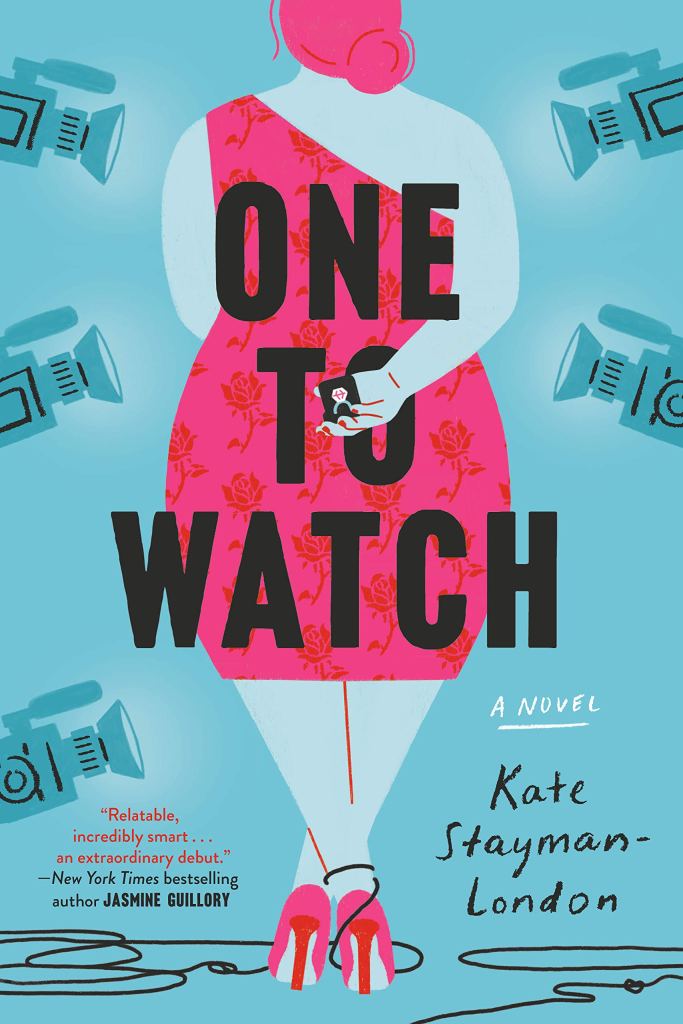
Bea is a plus-sized fashion blogger who is cast on a Bachelorette type reality show. A bevy of eligible men are soon taking her on dates in front of the camera. A few seem sincere. When Bea’s real-life one-night stand reappears, there is some genuine tension about who she will choose.
I’m all for empowered women, of any size, but there was something about this story that left me cold. Reality dating shows have a nearly 90% failure rate, in part because many participants have ulterior motives in appearing on them. I have spent enough time on dating sites to know that sizeism is very real. Many people are overtly hostile to fat women. While I would love to believe that a real-life version of this could happen, it read like pure Nora Ephron to me.
3.

Felix is a typical high school boy, hanging out with his friends and aspiring to study art at Brown. He yearns to be in love for the first time.
He has a crush on a boy and is thrilled when he is invited to spend the weekend at his house. “I have read up on your situation,” the friend says while they are cuddling. “And I think I know what to do.”
In that moment, Felix feels like an alien. His crush appears to be fetishizing him, curious about sex with a trans boy. It is anything but an organic attraction.
This is one of the darker moments in an otherwise ebullient story of a trans adolescence. Felix is a character you can’t help but root for. It left me with that pleasant, optimistic feeling that the best rom-coms do.
Reading is highly subjective. I can’t articulate why Felix Ever After worked so much better than the others. I got caught up in the fantasy and didn’t have time to consider that it might be just as unrealistic as the others.
 Books Smitten