There is a growing debate in the book world about representation. Strictly speaking, representation means that all voices are heard and that the portrayals are fair and accurate. Reading is often about character identification, and everyone — regardless of race, gender, religion, sexual orientation, age, or disability status — should easily find voices they can relate to.
Publishers should be concerned with such things, but the statistics tell another story: White writers get much larger advances and are much more likely to appear on best-seller lists. Best-sellers are more likely to be adapted into films and TV series. Without characters who appeal to them, people are less like to read.
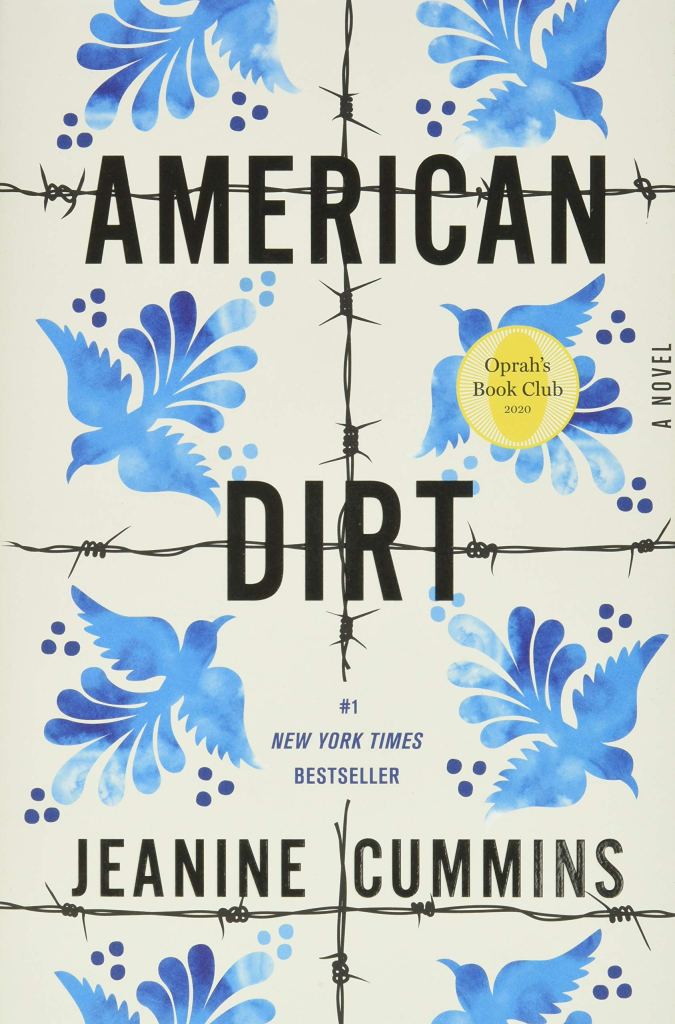
The road to best-seller status is rarely organic. Publishers cough up big money for marketing and lean on best-selling authors to blurb the book. Such was the case last year when Jeanine Cummings’ American Dirt was launched. The author got a seven-figure advance, bookstores were inundated with marketing materials, and the launch party featured ill-advised centerpieces with barbed wire designs. Several big name authors such as Stephen King and Ann Patchett raved in blurbs. One author even compared it, absurdly, with The Grapes of Wrath.
American Dirt is a compelling page-turner about a Mexican woman, Lydia, who witnesses the execution of sixteen members of her family. She and her son, Luca, escape and head north via La Bestia (a freight train used by migrants) and then overland with a coyote. They are trying to escape from Javier, a sociopathic druglord who takes a Hannibal Lecter-like fancy to Lydia.
Controversy arose when it was revealed that the author isn’t Mexican. (She is a White Latina with a Puerto Rican grandmother.) Despite years of research on her project, she made some glaring errors about Mexico that would stand out to any native. (For example, Lydia expresses disbelief that a druglord would be named after an owl. Most Americans would miss this reference, but few Mexicans would. The owl is a scary animal in folklore there.)
In the course of this debacle, many Latinx writers talked about their own experiences with the publishing industry. Rejection slips, minor advances, and no marketing budgets are the norm, especially for novels about immigration. American Dirt is a book written for a White audience, they complained, and does not reflect the reality of the migrant experience.
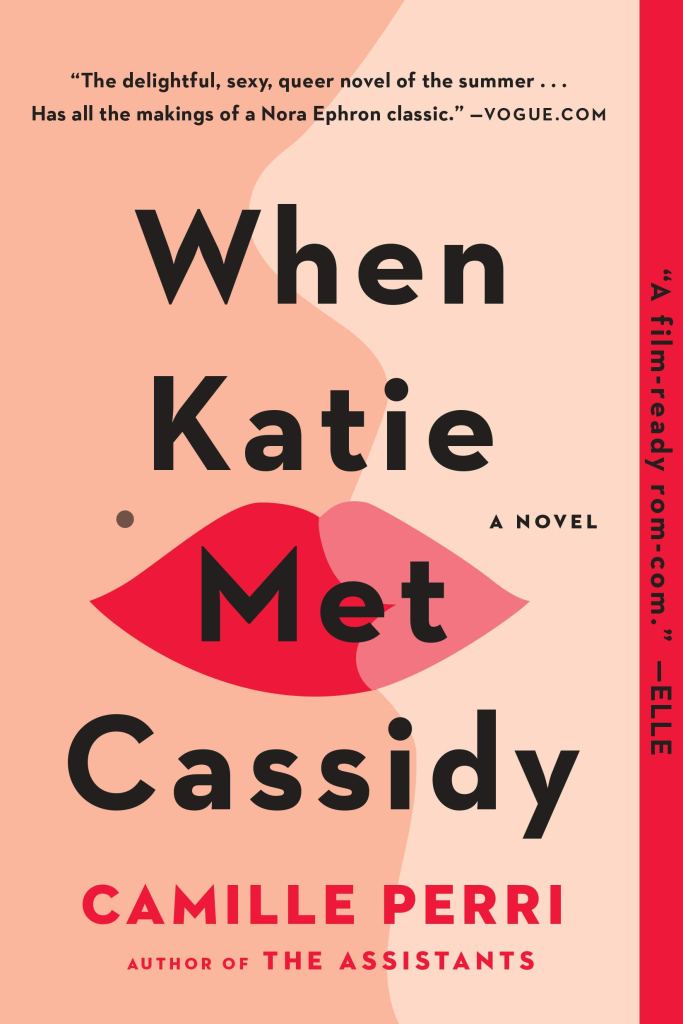
A more minor kerfuffle also occurred when When Katie Met Cassidy by Camille Perri was launched a few years ago. The author, a former books’ editor for a few national glossies, was heaped with ridiculous praise by her peers, such as the hyperbolic comparison to Nora Ephron. (The only commonality between them is that Perri cribbed her title from Ephron’s classic screenplay When Harry Met Sally.)
Katie is a Southern belle who has moved to New York for a corporate lawyer job. She meets Cassidy at a mediation, where they are adversaries. Nursing a broken heart after her fiancé dumps her, Katie bumps into Cassidy on MacDougal Street one night after work and agrees to accompany her to a lesbian bar. Faster than you can say bicurious, they fall into a standard love story, complete with the expected scene late in the final act where the fiancé reappears.
Readers grumbled that this was a lesbian romance written for a mainstream straight audience. Similarly to the American Dirt dispute, queer readers claimed that all of the attention was being heaped on a mediocre book because it was easier to market and more palatable to White women. In this case, the author is queer, but it didn’t stop readers from claiming that it felt like L Word fan fiction.
I can’t disagree with the comparison, or the criticism of American Dirt. And, yet, I enjoyed both books. Publishers know how to spot a topical page-turner and get it into the right hands. I wish all authors had this kind of success. It is unconscionable to me that any talented writer can’t get traditionally published. And, yet, I can’t entirely begrudge those that get their Cinderella stories.
 Books Smitten