When creating a mystery, you need a compelling premise, five or six plausible culprits, and a few twists along the way. The basic elements of the genre haven’t changed much since the first detective story was published in 1841.
When it comes to secondary elements, the recipe can be tweaked a bit. It used to be that a first-person narrator could not be revealed at the end to be the killer, until the introduction of the unreliable narrator changed all that. It’s now quite common to discover that the character curating the story has left out some significant details, including their complicity in the crime. (It is still the case that an unreliable narrator shouldn’t be the detective or amateur sleuth, but that may change, too. A clever author can pull off plenty.)
Another rule that has shifted is about the most likely suspect. In the course of the plot unfolding, a group of suspects are introduced, often with degrees of plausibility that they are the killer. It used to be that the most likely suspect was a throwaway role, introduced early with the readers’ understanding that this would never be the killer. Readers want to be surprised, after all, and the culprit can’t be too obvious.
Recently, though, this rule is changing a bit. I have yet to read a book where the most likely suspect is the killer, but I have read at least three in which the duration of the story makes it look as though one character is guilty, only to pull off a surprise. Here are three examples.
1.
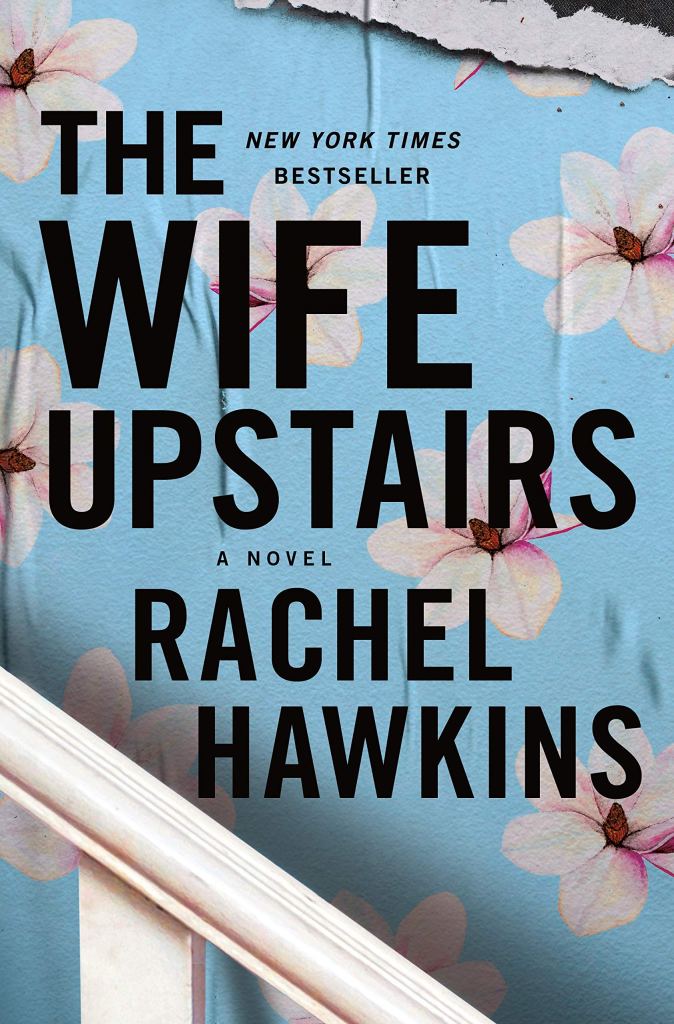
Jane Bell takes a job as a dog walker at a posh housing estate outside Birmingham. She quickly falls for Eddie Rochester, a widower whose wife died in a boating accident with another neighbor. The reader knows the truth: Eddie’s wife is still alive and locked in a panic room. For most of the book, the tension revolves around Jane not knowing that her fiance is a killer. Then – surprise – it turns out Eddie didn’t do it.
2.
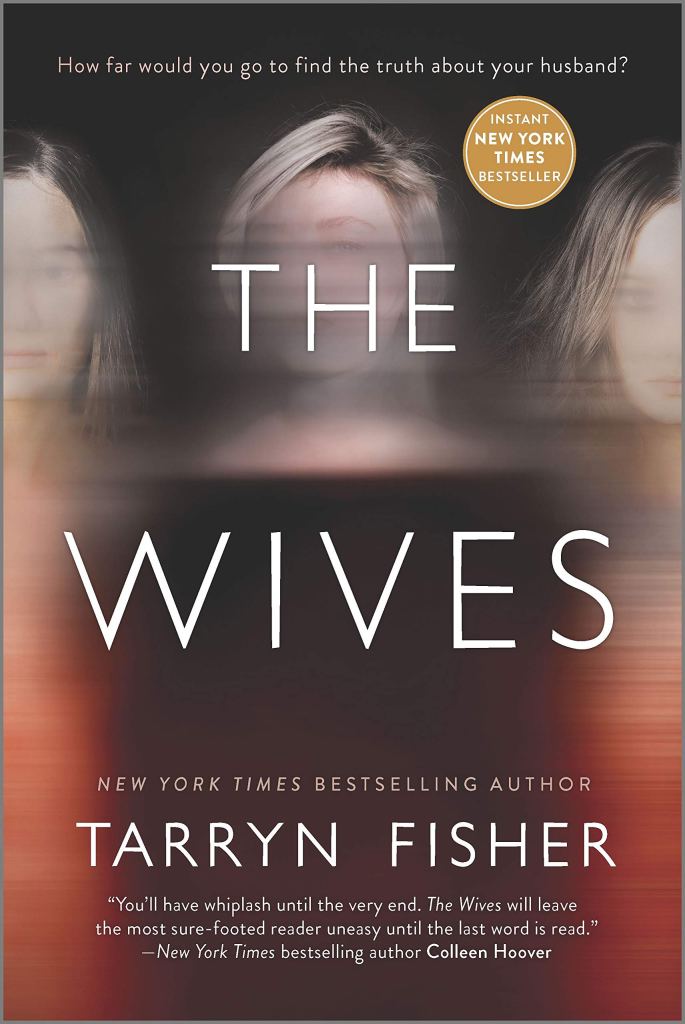
The narrator of this novel calls herself Thursday. It is both her name and her schedule: the fifth day of the week is the only time she gets to see Seth, her husband. He divides his time between three sister wives, an arrangement that reflects his religious upbringing. There are hints that he is abusing one of the wives, Hannah. There is no murder in this story, but Seth is the clear villain, stringing these women along for his own purposes. Then – surprise – nothing is what it appears to be. Seth is not such a bad guy after all.
3.
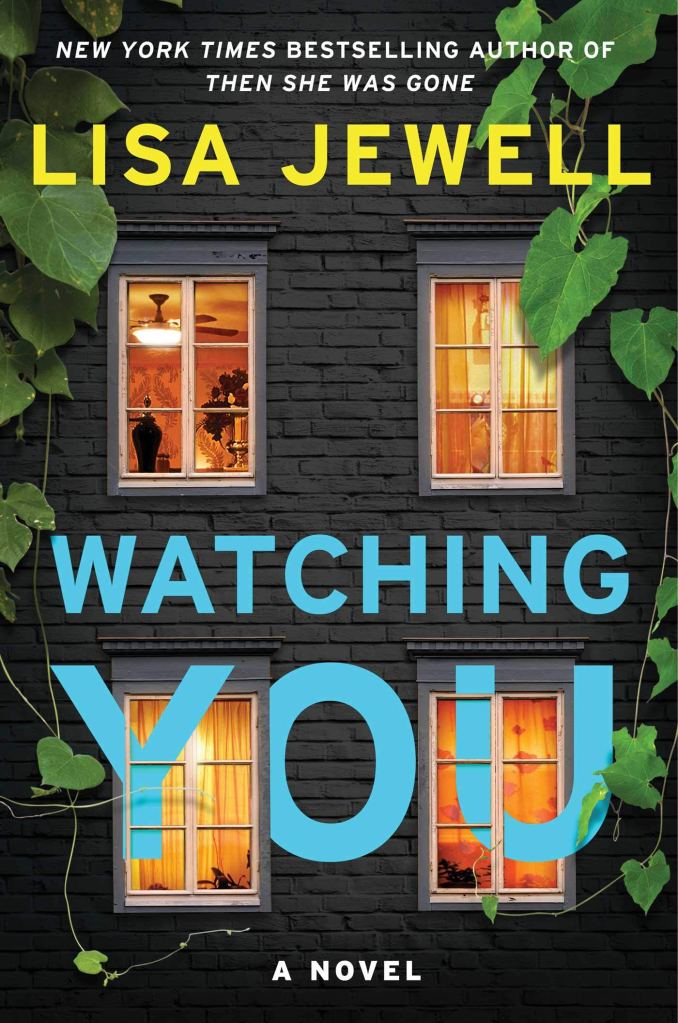
Joey is a newlywed living with her husband, brother, and sister-in-law in a painted row house in Bristol. Joey is infatuated with her neighbor, a local superintendent named Tom. Tom’s wife, Nicola, is murdered and he is the most likely suspect. Up until the end he seems to have done it. But then, of course, he didn’t.
The husbands fare well in these books. It’s a little difficult to tell who they really are, through, because the majority of the characterization casts them in a suspicious light. In the end, the most likely suspect remains a throwaway role simply because there is no time to get to know him.
 Books Smitten