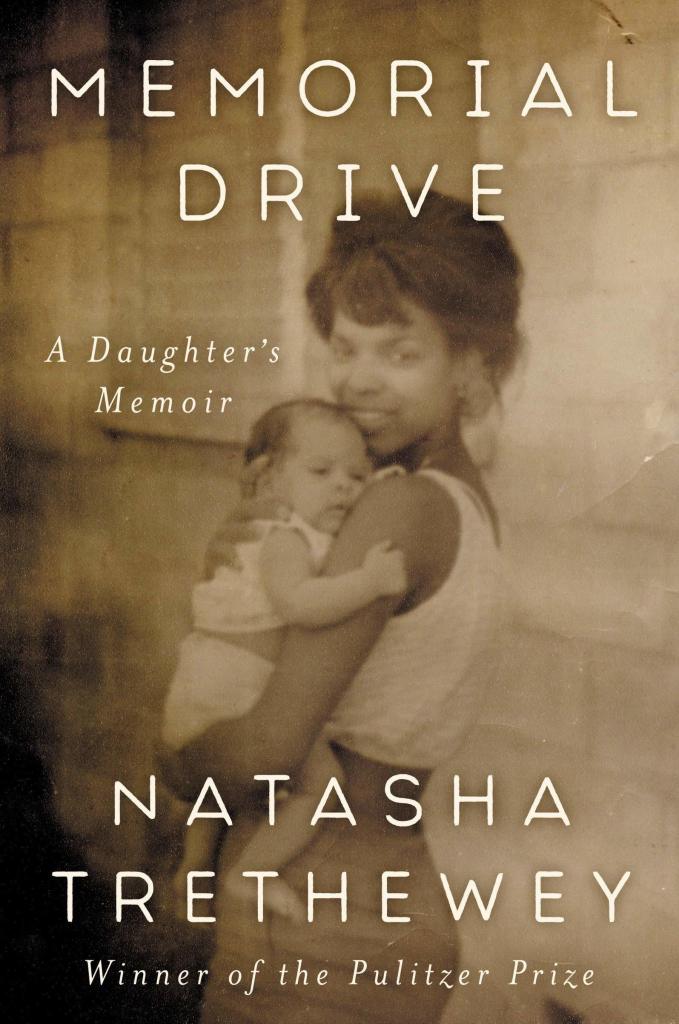
Memorial Drive is the name of a thoroughfare in Atlanta. The author spent her childhood there and left for good the day her mother died. The title also alludes to the interior process of memory and forgetting that the author spends thirty years working through. Like many trauma victims, she has buried what she doesn’t want to look at.
When the author was a child, she nearly drown in a swimming pool in Mexico. Her memory of that moment – submerged under blue water, her mother coming into view, a savior – becomes one of the controlling images of her childhood.
Later, when her mother is murdered in an act of domestic violence, it takes on a different meaning. The author’s stepfather, Joel, is a disturbed man who thinks it is his right to kill people who betray him. After being released from prison, he gives his wife a choice: she can either take him back or she can die. He also blithely speculates about killing his stepdaughter. When he shows up at her high school, she defuses the tension. When her mother is killed, the author sees her as a saint who died in her daughter’s place.
This book is written in a detached, dislocated style that may turn some readers off. I was reminded of Kathryn Harrison’s The Kiss, another book that took on a heavy topic but did not fully engross me.
That’s not to say that there aren’t windows onto this world. One of most revealing moments is found in a set of phone transcripts between her stepfather and mother. (After the first domestic abuse conviction, the author’s mother worked with police to secure her safety.) We get insight here into just how psychotic Joel was. I wish the rest of the book were as illuminating as the transcripts.
 Books Smitten