Growing up in the ’80s I watched a fair number of daytime talk shows. The genre has almost completely disappeared, as rare these days as a soap opera, replaced by chat shows, cooking demos, and DIY home projects. The emphasis in the last twenty years has been on selling: actors hawk movies, lifestyle gurus sell books, and DIY shows peddle Home Depot and its competitors.
The best example of the talk show relic is Phil Donahue. During a much more innocent time, his studio broadcast Ku Klux Klan members, abortion rights activists, polyamorous couples. His shows were highly topical, raising moral questions and exposing his audience to communities and ideas they had never thought about. There is no equivalent to him on TV today in part because the Internet has fully unleashed the Pandora’s Box that he was dipping into at the time. No one is surprised by much of anything anymore. Nothing is new; novelty is gone.
Instead what we have these days is topical fiction. An author like Jodi Picoult is very much a descendent of Phil Donahue, taking on the same kinds of characters that he used to.
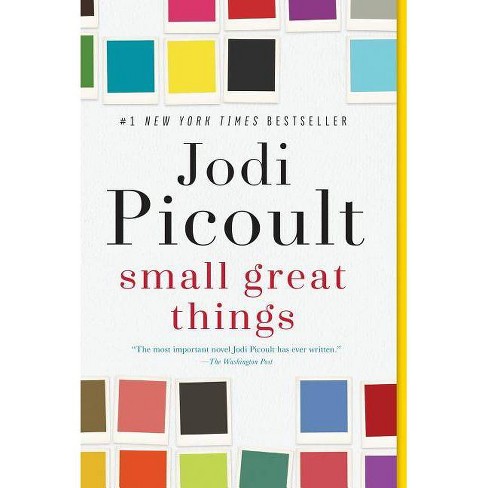
In Small Great Things, we get to know both a white supremacist and a Black nurse he encounters at a hospital. We see the ideology that shapes hate groups – the man marries into a family led by a David Duke type – and we also see the life of a Black nurse who is implicitly affected by his views. The ways the author lays out both sides and lets the reader figure it out is reminiscent of Donahue as well. (Missing, of course, is the audience of mouthy New Yorkers opining on the proceedings.)
She does this again, less effectively, in A Spark of Light. The topic this time is abortion. There are characters on all sides: women seeking medical help, doctors, protestors, and a lone gunman. The problem here is not the characterization but the structure, which is told mostly backwards. I would love to reread it in chronological order.

It’s not just Jodi Picoult who is delivering topical fiction. My book this week, Don’t Turn Around, was like a fusion of women’s suspense and topical fiction. What’s not to love?
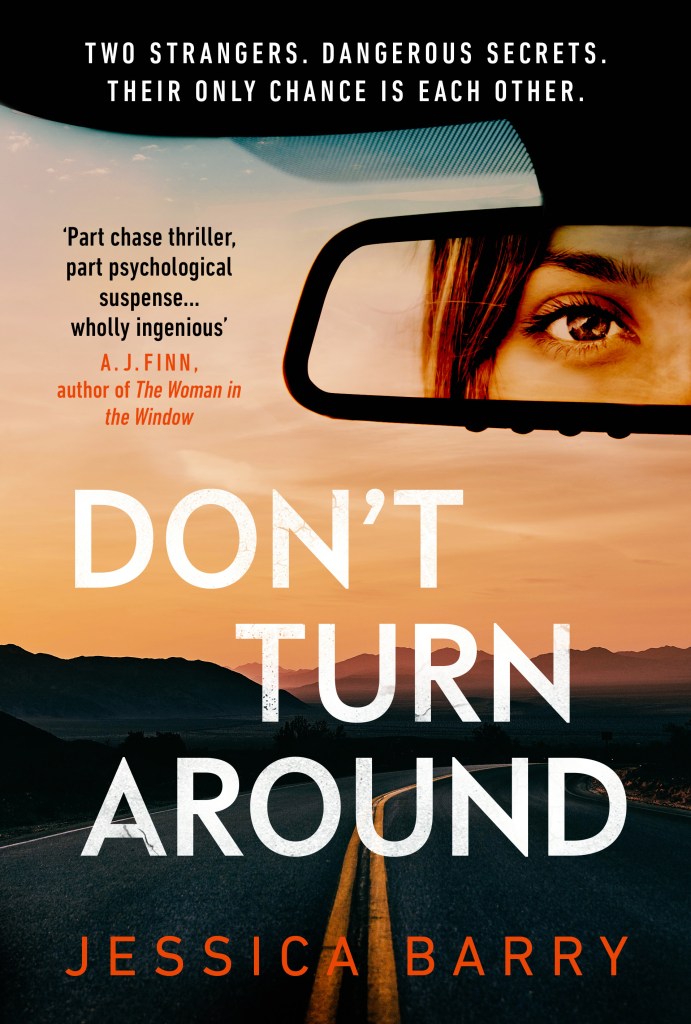
The story centers on two women, Cait and Rebecca, who are driving from Lubbock to Albuquerque. Cait works for an organization that assists women. To say more would be to expose the topical plot. Suffice is to say, she is helping Rebecca. The chapters alternate between the present night drive and flashbacks of the events that got them there. It’s the second good #metoo novel I have read this year (after My Dark Vanessa). Cait’s story is especially nuanced, featuring a Beto-like politician, a viral video, and a reputation ruined. It raises questions about due process on the Internet.
I’m glad the publishing world has picked up where Donahue left off. It makes my reading life very satisfying.
 Books Smitten